Smart Fabrics Are Here and They're About to Change Your Entire Wardrobe
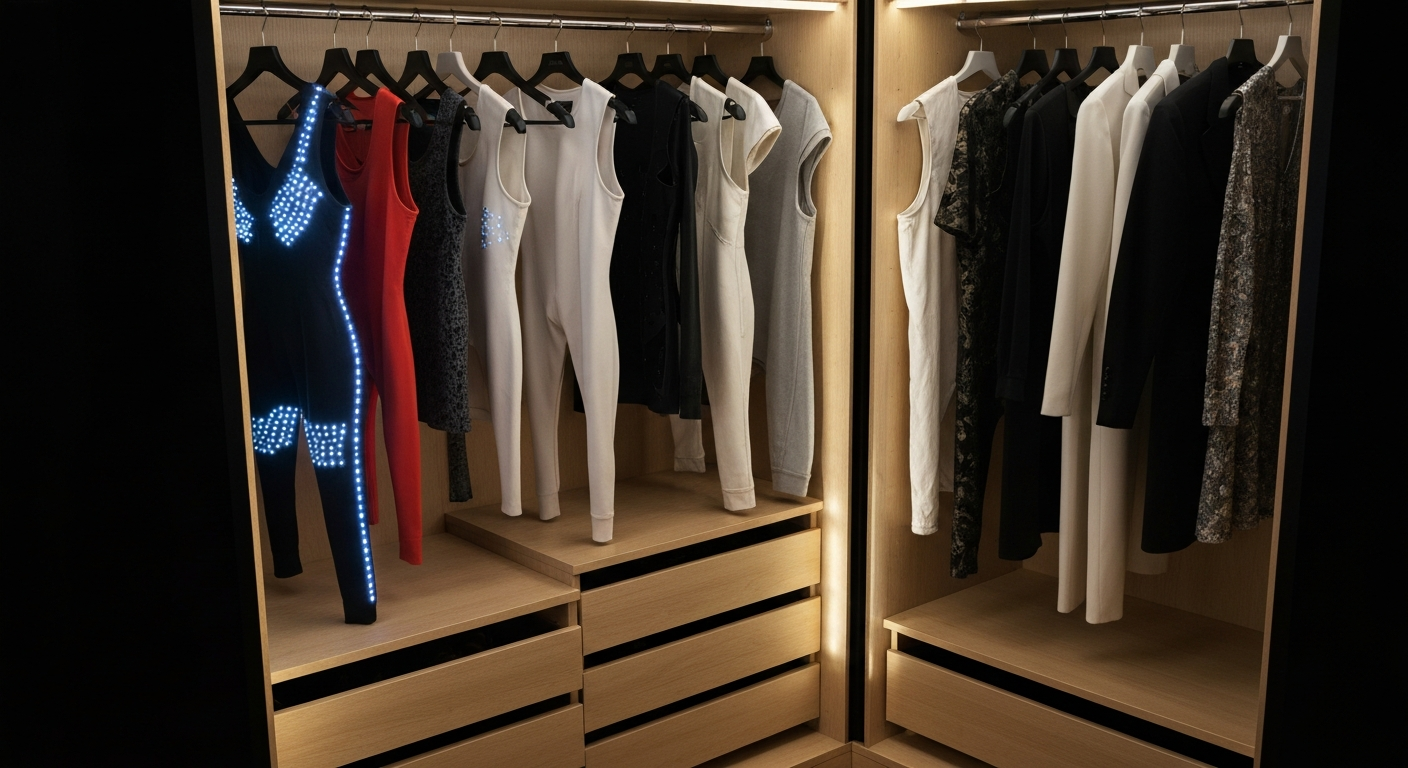
Your clothes are about to get a major upgrade, and we're not talking about a trendy new color or cut. Smart fabrics, also known as e-textiles or intelligent textiles, are moving from the realm of science fiction into your actual closet, bringing technology woven directly into the fibers you wear. Whether it's shirts that monitor your heart rate, jackets that adjust to temperature changes, or pants that track your movement patterns, the clothing industry is experiencing a quiet revolution that most of us haven't fully recognized yet.
The question isn't really "if" smart fabrics will become mainstream, but rather "when" and "how prepared are you for this shift?" Understanding what's already here and what's coming down the pipeline could genuinely change how you think about the clothes you wear every single day.
What Exactly Are Smart Fabrics?
Smart fabrics are textiles embedded with technology that can sense, react to, or communicate information about the wearer or their environment. This isn't just adding a Bluetooth speaker to your hoodie (though that exists too). We're talking about materials that have been fundamentally altered at a chemical or structural level to include conductive fibers, sensors, or even micro-processors woven directly into the fabric itself.
The magic happens through several different approaches. Some smart fabrics use conductive threads made from materials like silver or copper, which allow them to transmit electrical signals. Others incorporate tiny sensors directly into synthetic fibers during the manufacturing process. Some of the most cutting-edge versions use something called "shape-memory" materials that actually change form in response to temperature or electrical stimulation. Think of it as your clothes developing a nervous system.
Related: Best Password Manager 2026: Which One Actually Protects Your Passwords
Companies like Google and Levi's have already partnered on the "Jacquard" project, creating jackets with touch-sensitive fabric that lets you control music and get navigation alerts without pulling out your phone. Meanwhile, researchers at MIT have developed fabrics that can store energy, monitor health metrics, and even display images or patterns.
The Health and Fitness Revolution in Your Closet
This is probably where smart fabrics will make their biggest initial impact. Wearable health technology has been growing steadily, but most of it requires dedicated devices like smartwatches or fitness trackers clipped to your clothing. Smart fabrics eliminate that friction. Instead of wearing an Apple Watch, imagine a simple t-shirt that continuously monitors your heart rate, respiration, body temperature, and even stress levels while feeling completely normal to wear.
Companies are already prototyping these solutions. A startup called Hexoskin makes biometric apparel that athletes and fitness enthusiasts use to track their performance in real-time. The data syncs with your phone, giving you insights about your workout intensity, recovery needs, and overall cardiovascular health. For medical applications, hospitals are experimenting with smart garments that monitor post-surgery patients without requiring them to be tethered to machines.
The potential for chronic disease management is enormous. Imagine diabetic patients wearing clothing that continuously monitors glucose levels, or people with heart conditions having jackets that alert them to irregular rhythms before they become dangerous. This isn't theoretical anymore, either. The FDA has already approved some smart textiles for medical monitoring applications.
Related: The Best Budget Wireless Earbuds for 2026: Premium Features Without the Price Tag
Temperature-Responsive and Self-Adjusting Clothing
Remember how your mom always told you to "dress in layers"? Smart fabrics might make that advice obsolete. Materials are being developed that can actively regulate temperature by opening and closing pores or changing their insulation properties based on your body temperature and environmental conditions.
A company called Outlast has created temperature-regulating fibers that absorb excess heat when you're warm and release it when you cool down. It's similar to technology originally developed for NASA spacesuits. Imagine wearing a jacket that automatically becomes more breathable when you start exercising, then traps warmth when you stop moving. You'd never overheat or get chilled.
Korean company Kolon is working on phase-change materials that can shift between liquid and solid states, actively adapting to temperature fluctuations. This technology could revolutionize performance wear, making one piece of clothing suitable for a much wider range of activities and weather conditions than anything we currently have.
Style Meets Function: The Fashion Industry's Response
Here's what's really interesting: smart fabrics aren't just becoming a tech thing. Major fashion brands are getting involved. Beyond the Levi's and Google partnership we mentioned, luxury brands like Stella McCartney have collaborated on sustainable smart textiles. Ralph Lauren created a smart polo shirt that tracks biometric data while looking like any other designer polo.
This matters because it means smart fabrics won't stay relegated to gym clothes and medical garments. When high fashion embraces the technology, it becomes desirable. It becomes normal. It becomes something people actually want to wear to dinner, not just to the doctor's office or the running track.
The integration of technology and fashion is also pushing designers to think differently about what clothing can do. Beyond health monitoring, we're seeing experiments with fabrics that change color based on your body temperature, display digital patterns, or change opacity with an electrical signal. The line between fashion statement and functional technology is blurring in exciting ways.
The Privacy and Practical Concerns You Should Know About
As with most new technology, smart fabrics come with legitimate questions that we need to address seriously. If your shirt is constantly monitoring your heart rate and stress levels, where does that data go? Who has access to it? Could employers require employees to wear monitoring clothing? Could insurance companies use this data against you?
These aren't paranoid questions. Data privacy with wearables is already a contentious issue, and smart fabrics will amplify these concerns. Most smart textile companies use encryption and secure connections, but standards are still being developed. Anyone considering investing in smart clothing should check privacy policies carefully and understand exactly what data is being collected and where it's stored.
There's also the practical matter of durability and maintenance. Most smart fabrics currently can't be washed like normal clothing without damaging the electronics. They're expensive, which puts them out of reach for most people right now. Battery life is still a challenge for many applications. These issues will improve, but they're real limitations worth considering.
When Will This Actually Become Affordable?
Right now, smart fabrics are definitely a luxury item. That Levi's and Google Jacquard jacket runs around $350. Hexoskin biometric shirts cost around $250. But like all new technology, prices typically drop as manufacturing scales up and competition increases.
Industry analysts predict that within 5-10 years, basic smart fabrics will reach price points comparable to quality athletic wear today. Within 15-20 years, smart fibers could be as commonplace as synthetic blends. The transition will probably happen gradually, with smart features becoming standard on expensive items first, then trickling down to mainstream brands as prices fall.
The Bottom Line
Smart fabrics represent a genuine shift in how we think about clothing. We're moving from the era where clothes are purely passive objects to one where they're active participants in our daily lives. They monitor us, protect us, communicate for us, and adapt to us. It's a fascinating evolution.
Whether you're excited or skeptical, smart textiles are coming to your wardrobe eventually. Start paying attention now, understand what these technologies can and can't do, and think carefully about the privacy trade-offs. The future of fashion is woven with something more than just cotton and polyester.