Apple Just Discontinued the Mac Pro and Here's What It Means For Your Next Computer Purchase
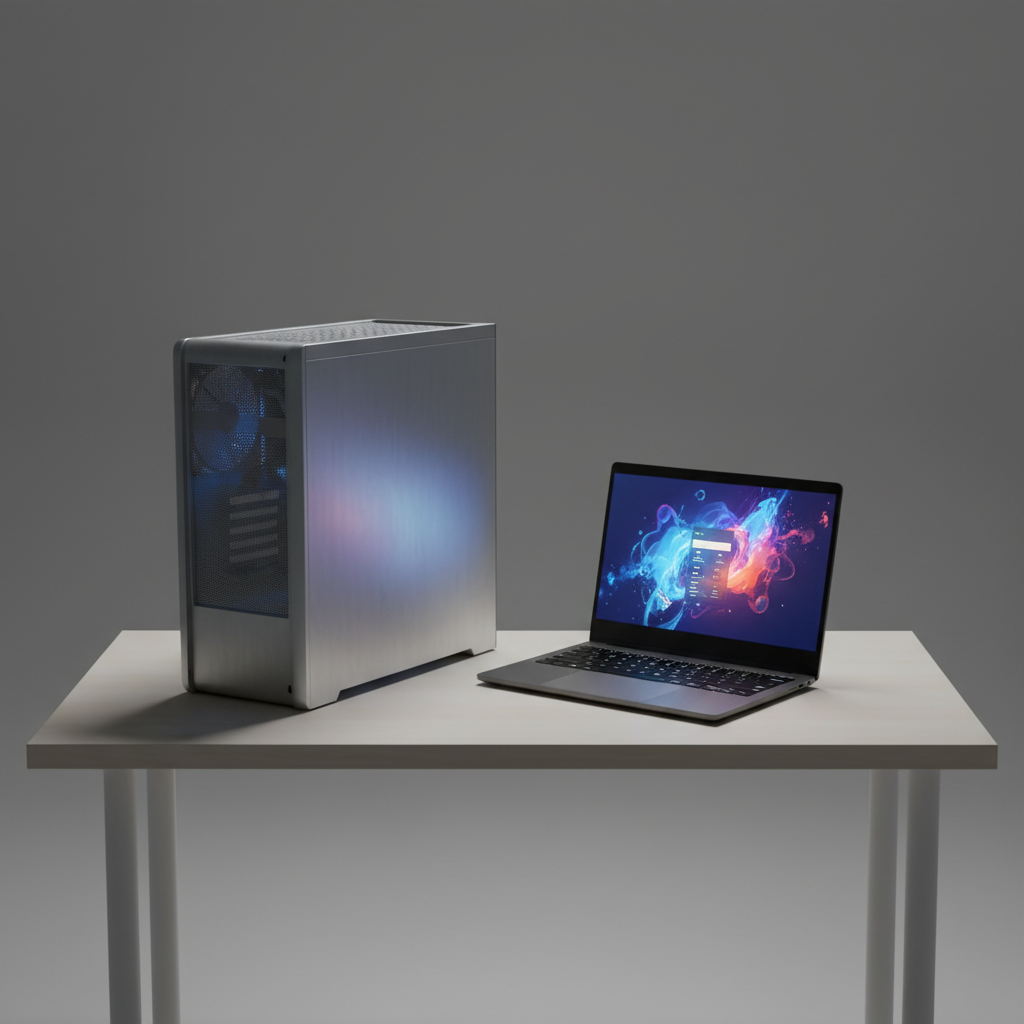
Well, folks, it finally happened. Apple has officially discontinued the Mac Pro, and no, this isn't a drill or some sort of elaborate tech prank. The beloved (and let's be honest, occasionally despised) cylindrical tower that once symbolized the cutting edge of professional computing is being shuffled off to the digital pasture. If you've been sitting on the fence about upgrading your aging Mac setup, this news just kicked the fence right out from under you, and it's worth understanding what this actually means for your computing future.
The End of an Era: Understanding Apple's Decision
Apple's decision to discontinue the Mac Pro might seem shocking at first glance, but it's actually the culmination of years of market trends and shifting priorities. The company has been gradually moving away from traditional desktop computing for professionals, instead doubling down on the iPad Pro and increasingly powerful MacBook Pro models. The writing was already on the wall when Apple introduced the M-series chips, which began delivering desktop-class performance in laptop form factors. For a company obsessed with thinness, lightness, and portability, a chunky tower sitting under a desk started to feel increasingly out of step with the Apple vision.
The Mac Pro was always something of an anomaly in Apple's lineup. Unlike the MacBook Air or iMac, it required users to purchase a separate monitor, keyboard, and mouse. It represented the old way of thinking about computers: stationary, upgradeable, and focused purely on raw power. In the age of remote work, cloud collaboration, and the desire for flexibility, these qualities began to feel less like features and more like liabilities. Apple looked at the market data and apparently decided that the niche wasn't big enough to justify continued production.
What Killed the Mac Pro? A Perfect Storm of Factors
Several factors conspired to make the Mac Pro a relic. First, there's the simple fact that professional workflows have fundamentally changed. Filmmakers now edit 4K footage on MacBook Pros. Musicians produce entire albums on iPads. Graphic designers bounce between different devices seamlessly thanks to cloud storage and file syncing. The idea of being tethered to one powerful machine in one location feels increasingly quaint. Mobility is king, and the Mac Pro represented the old sedentary kingdom.
Related: Best Password Manager 2026: Which One Actually Protects Your Passwords
Secondly, the M3 Max and M4 Pro chips demonstrated something remarkable: you can pack truly professional-grade performance into a laptop without requiring a desktop tower. Apple essentially proved that you could cannibalize your own desktop market by offering superior laptops. It's a bold strategy that shows Apple prioritizes the future of computing (portable, integrated, unified) over protecting its legacy product lines. The company wasn't being sentimental, and frankly, neither should professionals be.
There's also the uncomfortable truth about the Mac Pro's price. Starting at $6,499, it represented a significant investment for studios and production companies. Meanwhile, a fully specced MacBook Pro with similar performance capabilities costs less, offers portability, and includes a display. For many professionals, the math simply stopped working in the Mac Pro's favor. Economics matter, and the Mac Pro's was broken.
What This Means For Your Purchasing Decisions
If you're currently shopping for a new computer and considering Apple products, this discontinuation should shift your thinking. If you previously thought the Mac Pro was worth waiting for, that's no longer an option. Instead, you need to honestly assess your actual needs. Are you someone who truly needs a desktop tower with upgradeable components? If so, you're probably looking at a transition to Windows and the PC ecosystem, where desktop computing is still very much alive and well. Dell, Lenovo, and HP all offer capable professional desktops that can be upgraded and customized to your heart's content.
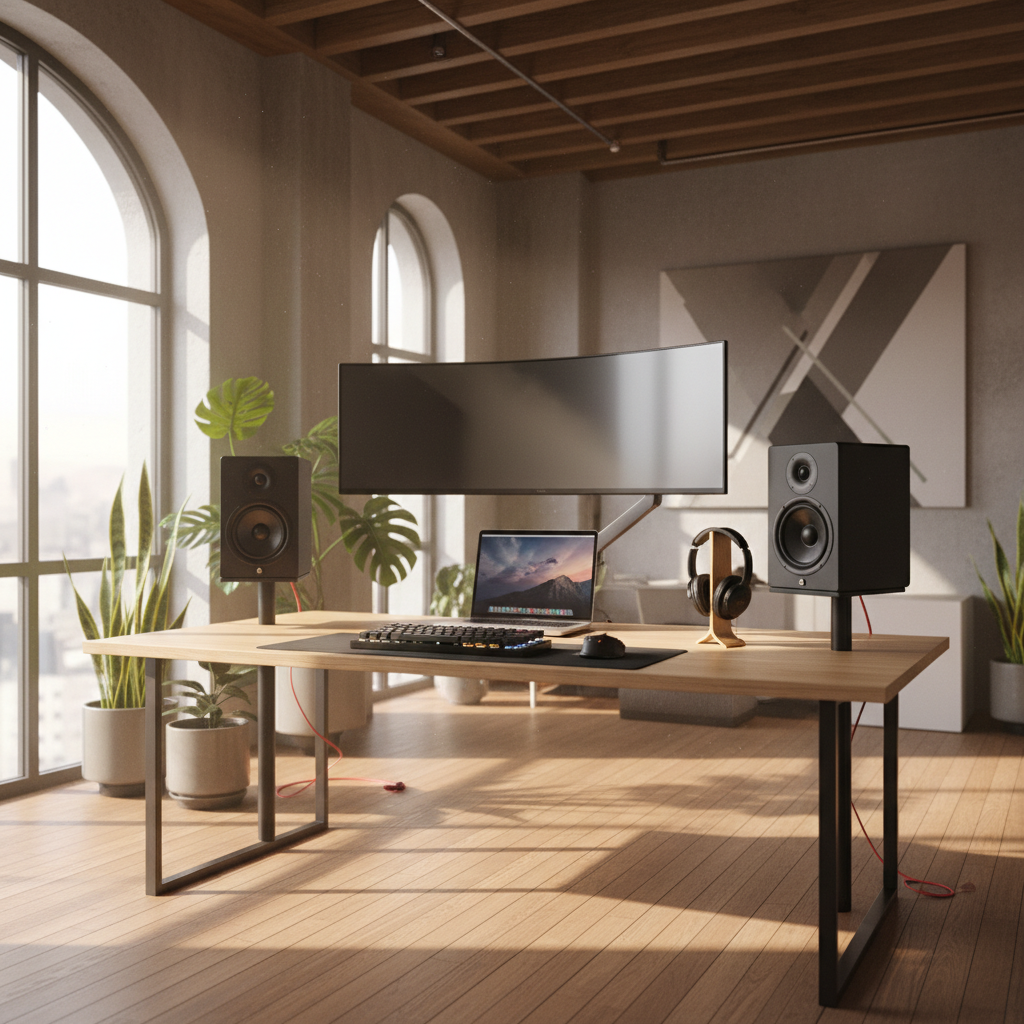
However, if you're willing to reconsider your setup, the MacBook Pro models with M3, M4, or future generations offer remarkable capabilities. A 16-inch MacBook Pro with a high-end configuration can handle nearly everything the Mac Pro could do, with the added bonus of portability. Pair it with an external display, and you've essentially recreated a desktop setup without actually having a desktop. For creative professionals, this flexibility often ends up being worth far more than the ability to upgrade RAM three years down the line.
Related: The Best Budget Wireless Earbuds for 2026: Premium Features Without the Price Tag
The Bigger Picture: Where Apple's Pro Products Are Headed
This discontinuation reveals Apple's broader vision for professional computing. The company is betting that portable powerhouses are the future, not beefy towers. The iPad Pro gets increasingly capable with each generation. The MacBook Pro gains more performance while maintaining portability. The Mac Studio sits in the middle for those who want a compact desktop option. It's a coherent strategy, even if it's not one that works for everyone.
What's interesting is that Apple seems confident enough in the MacBook Pro's capabilities that it doesn't feel the need to maintain a separate desktop line for professionals anymore. The company is essentially saying, "We've solved the performance problem on laptops, so there's no longer a need for a different product." Whether that's true for every professional use case remains debatable, but there's no denying that the gap between MacBook Pro and traditional desktop performance has narrowed dramatically.
The Real Losers and Winners in All This
The real losers here are professionals with very specific needs that a laptop setup simply can't accommodate. Anyone who needs multiple graphics cards, extensive expansion capabilities, or a truly expandable system will need to look elsewhere. Content creators who rely on proprietary hardware that only works with desktop computers might find themselves in a difficult position. Apple essentially told them they're not important enough, and that's worth acknowledging as a failure of the tech industry's push toward uniform, portable solutions.
The winners are anyone willing to adapt. Those who embrace the MacBook Pro plus external monitor setup actually get more flexibility than before. They can work from their desk when they need to and take their machine elsewhere when inspiration strikes. They're no longer locked into one location, one desk, one setup. For many modern professionals, this flexibility is worth far more than the theoretical advantages of a tower.
What Should You Do Right Now?
If you're in the market for a new computer, here's the straightforward advice. First, stop waiting for the Mac Pro. It's gone, and it's not coming back. Second, honestly evaluate whether a MacBook Pro with external accessories meets your needs. For 90% of professionals who previously considered the Mac Pro, it probably does. Third, if you need a desktop tower with traditional upgrade paths, look at the Windows ecosystem where such machines are thriving. Fourth, don't be nostalgic about the Mac Pro's discontinuation. It was a bold product that served its time, and Apple is moving forward.
The discontinuation of the Mac Pro marks the end of an era in personal computing. It signals that Apple no longer believes in the traditional desktop tower as the pinnacle of professional computing. Whether you see this as progress or a mistake probably depends on your specific needs and your willingness to adapt to new workflows. What's certain is that the computing landscape has shifted, and we're all going to have to shift with it.