9 Surprising Foods That Taste Better the Next Day (Science Explained)
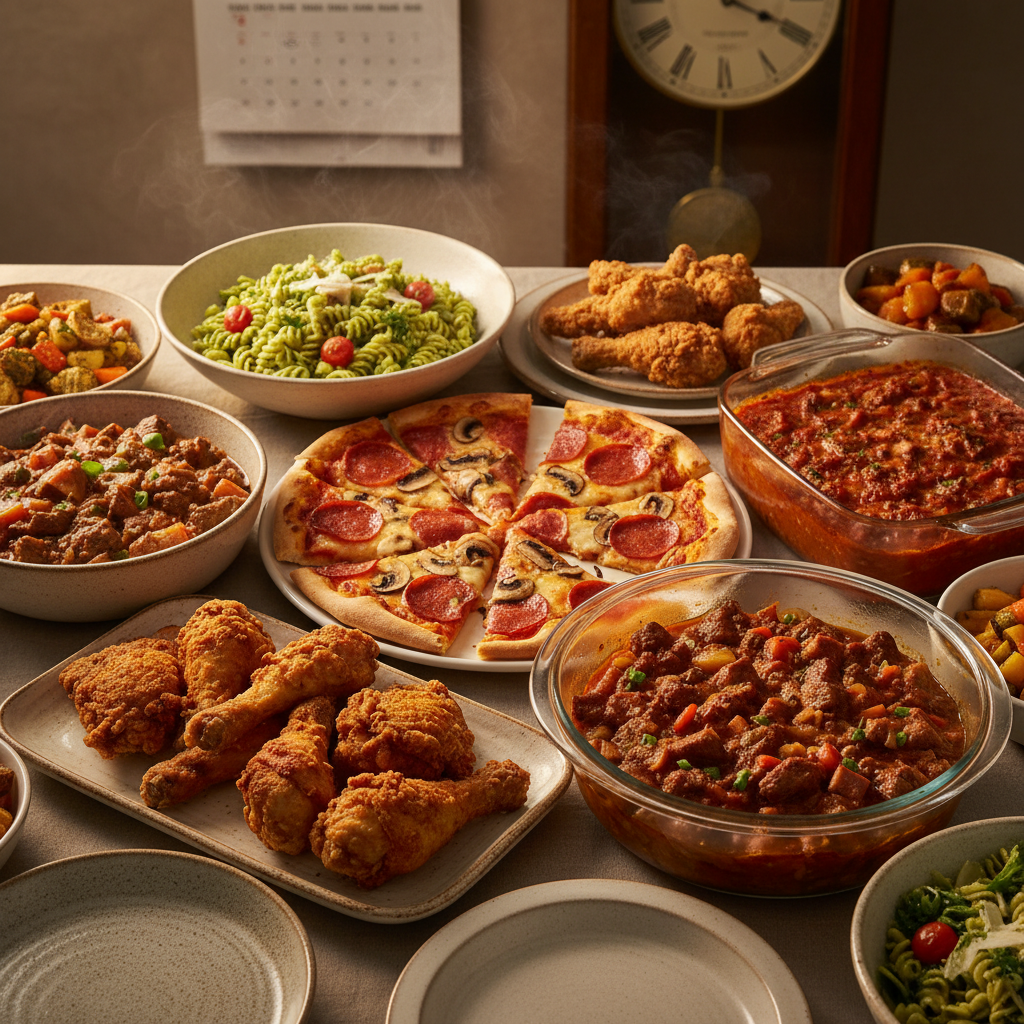
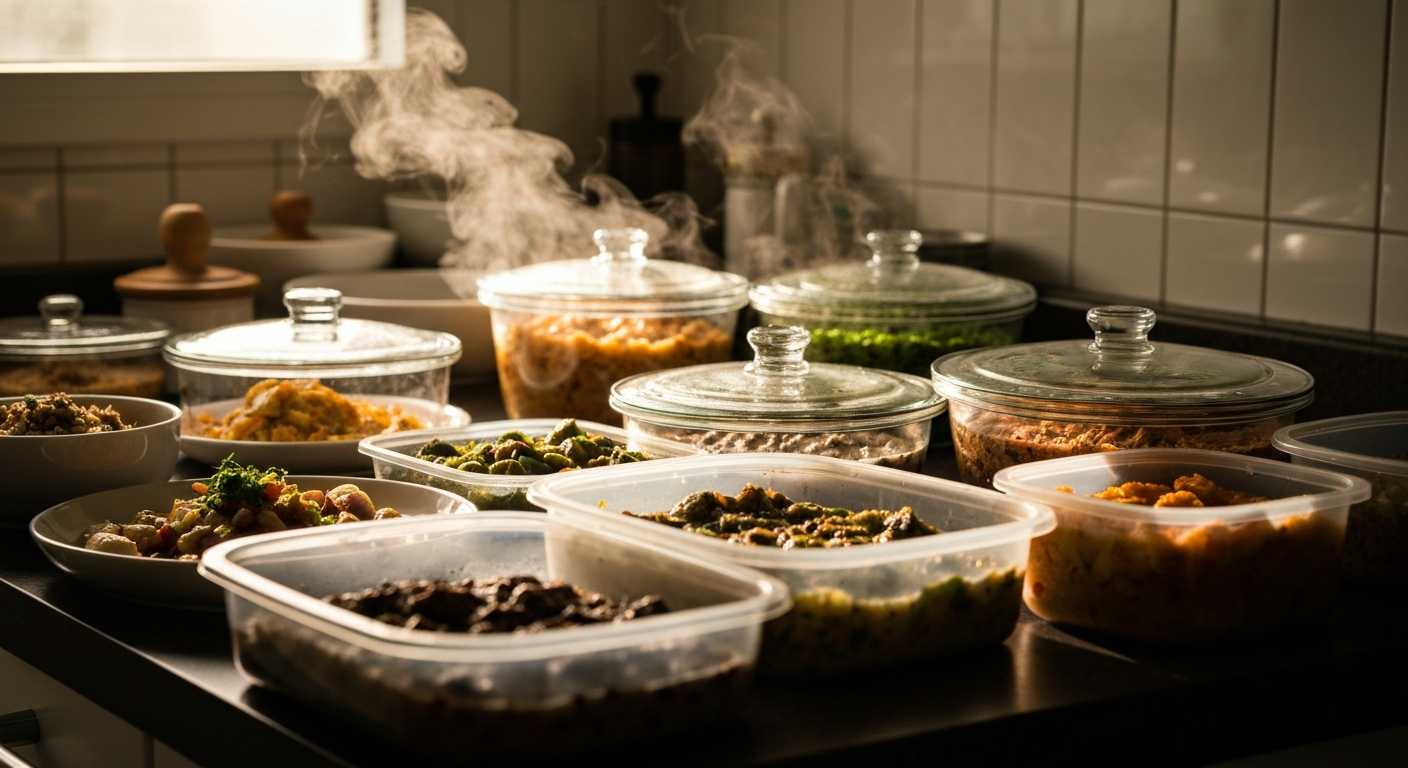
Ever noticed that yesterday's leftovers sometimes taste better than the meal fresh off the stove? You're not imagining things. There's actual science behind why certain foods reach their flavor peak after sitting in the fridge overnight. From chemical reactions to flavor melding, we've rounded up nine foods that prove patience really does pay off in the kitchen.
-
Chili and Stews
Chili is the poster child for next-day deliciousness, and there's legitimate chemistry at work here. When chili sits overnight, the ingredients continue to meld together, and the spices distribute more evenly throughout the dish. The flavors become more integrated and complex because chemical reactions between the spices, tomatoes, and meat proteins continue even after cooking stops. Many chefs insist that chili tastes at least 20 percent better on day two.
-
Soups and Broths
Soups undergo a fascinating transformation as they rest. The liquid acts as a medium for flavors to continue developing, and ingredients break down slightly, enriching the broth with more depth. Bone broths especially benefit from this process, as collagen and gelatin break down further into gelatin and amino acids overnight, creating a richer mouthfeel. Minestrone, tomato soup, and chicken noodle soup all typically taste noticeably more robust the next day.
-
Curries and Spiced Dishes
Curries are flavor powerhouses that actually need time to reach their full potential. Spices like turmeric, cumin, and cinnamon continue to permeate the oil and sauce base overnight, creating more uniform flavor distribution. The coconut milk (if included) also has time to absorb spice compounds, making the curry taste more cohesive and complex. A mediocre curry can taste genuinely exceptional by the next evening.
Related: Feed Your Family for $45 a Month: Budget Dinner Recipes That Actually Work
-
Pasta Dishes with Sauce
When pasta sits with sauce overnight, the noodles absorb the flavors from the sauce rather than remaining separate and bland. The starch in the pasta acts like a sponge, soaking up tomato, garlic, and herb flavors that might seem surface-level when freshly served. Lasagna is perhaps the best example, as overnight resting allows the layers to fully integrate and create a unified flavor experience. Baked pasta dishes, in particular, undergo this transformation beautifully.
-
Marinated Meats
Marinades work best after extended contact with meat, so yesterday's marinated chicken or beef will taste significantly better than if you cooked it immediately. Acidic components in marinades (like vinegar or citrus) begin breaking down muscle fibers and proteins, tenderizing the meat while allowing flavors to penetrate deeply. Even just four to eight hours makes a difference, but overnight creates genuinely superior results. This is why many restaurants marinate proteins the day before service.
-
Bean Dishes and Legume-Based Meals
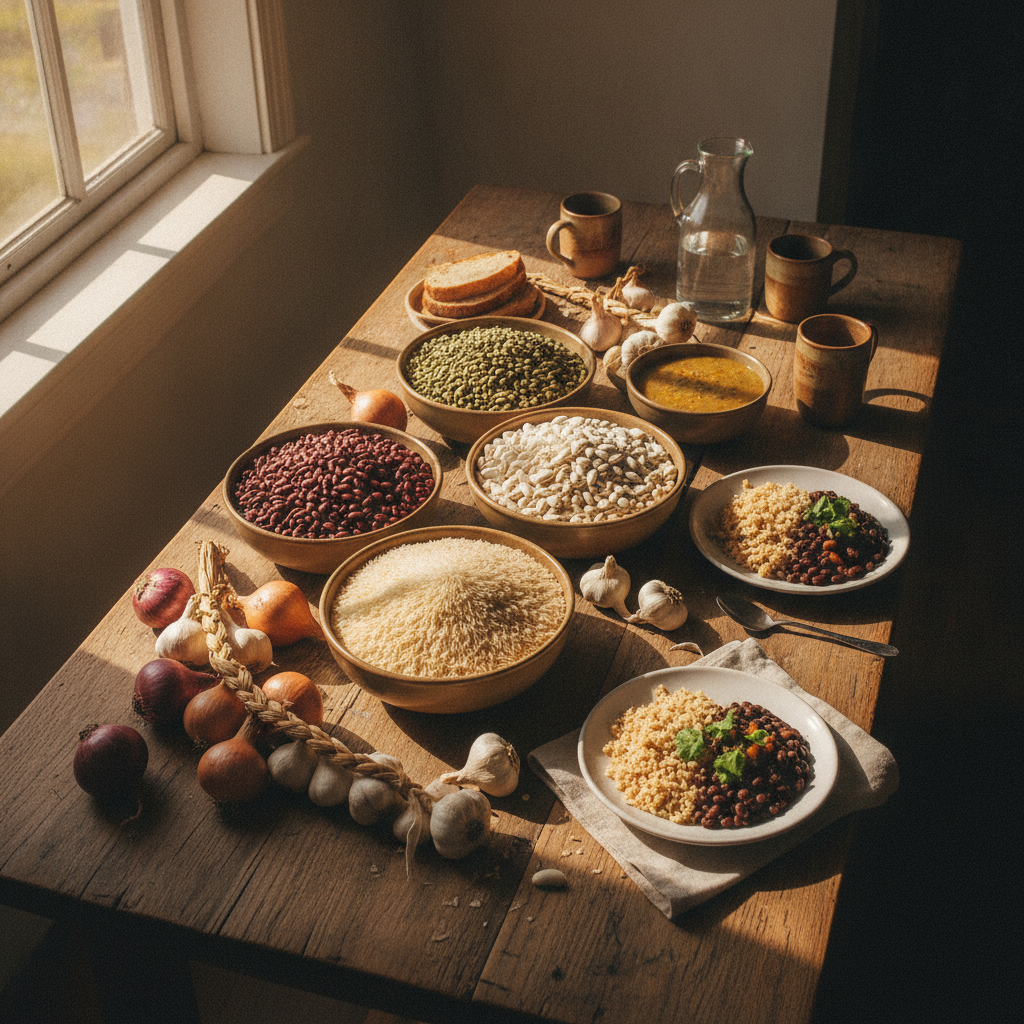
Beans have a peculiar property where they taste better after sitting in their cooking liquid overnight. The beans continue to soften slightly, becoming creamier while maintaining their structure. The flavoring elements in the liquid continue to infuse into the beans, creating more depth of flavor throughout. Refried beans, bean soups, and dishes like cassoulet all benefit tremendously from overnight resting.
-
Stuffed Vegetables and Filled Dishes
When you stuff peppers, tomatoes, or eggplants and let them rest overnight, the filling flavors migrate into the vegetable itself while the vegetable releases its own flavors into the filling. This bidirectional flavor exchange creates a more integrated dish where every component tastes cohesive. The texture of the vegetable also softens slightly, allowing it to absorb flavors more effectively. Stuffed cabbage rolls are particularly excellent the next day.
Related: 25 Easy One-Pot Dinners That Actually Taste Amazing (And Won't Destroy Your Kitchen)
-
Barbecue and Slow-Cooked Meats
Brisket, pulled pork, and other slow-cooked meats actually improve when allowed to cool completely and then be reheated the next day. The collagen has fully converted to gelatin, creating a more tender, succulent texture throughout. The smoke flavors and spice rubs have had time to fully permeate the meat structure rather than just sitting on the surface. Many pitmasters actually prefer their smoked meats on day two for exactly this reason.
-
Grain and Rice-Based Dishes
Rice, quinoa, and grain-based salads and pilafs taste better after sitting overnight because the grains have time to fully absorb the dressings and cooking liquids. Fried rice, in fact, is famously made with day-old rice because fresh rice is too moist and doesn't achieve the proper texture. The starches in the grains gelatinize differently as they cool and rest, making them firmer and more flavorful. Tabbouleh and grain bowls similarly improve with overnight resting.
-
Dips and Spreads
Hummus, guacamole, and other dips reach their flavor peak after sitting for several hours or overnight in the refrigerator. The flavors of garlic, lemon, and spices have time to fully develop and distribute throughout the dip base. Hummus made fresh can taste slightly grainy and one-dimensional, but after resting, it becomes silky and remarkably balanced. Salsa similarly improves overnight as the ingredients meld and tomato flavors deepen.
-
Baked Goods and Breads
While still technically a food (and technically not a hot dish), many baked items taste better the next day due to starch retrogradation. This process causes starches to reabsorb moisture, making bread moister and more flavorful while also making flavor compounds more pronounced. This is why day-old brownies often taste better than fresh ones, and why quality bakeries often won't sell certain items on the day they're baked. The flavor compounds also have time to mellow and integrate.
-
Tomato-Based Sauces
Tomato sauce is a fundamental example of next-day improvement, with food scientists attributing this to the breakdown of cell walls in tomatoes and the continued Maillard reaction. Fresh tomato sauce can taste acidic and one-dimensional, but overnight the acid mellows while flavors become more rounded. The umami compounds in tomatoes (glutamates) become more pronounced, creating deeper savory notes. Bolognese sauce and marinara both reach their full potential on day two.
-
Cheese-Based Dishes
Macaroni and cheese, baked cheese dips, and similar dishes benefit from overnight resting because the cheese has time to fully integrate with the base sauce. The flavors don't taste separately cheesy and saucey anymore, but rather unified and balanced. Casseroles with cheese benefit the same way, as the melted cheese continues to permeate throughout the dish during cooling and storage. The texture becomes creamier and more cohesive overall.
-
Vegetable Stir-Fries
While fresh stir-fries are delicious, reheated stir-fries often taste better because the sauce has fully coated and absorbed into the vegetables. The vegetables soften slightly, allowing them to carry more sauce flavor throughout. The soy sauce, garlic, and ginger flavors are no longer concentrated on the surface but have permeated the entire dish. This is why many Asian restaurants actually encourage customers to eat leftovers the next day.
-
Pickling and Fermented Foods
Anything being pickled or fermented requires time to develop flavor, so vegetables marinating in vinegar solutions taste dramatically better after 24 hours or more. Pickled onions, cucumber slices, and fermented cabbage all require the acidic liquid to fully penetrate the vegetable cells. The fermentation process itself creates flavor compounds that simply don't exist in fresh vegetables. These foods are specifically designed to taste better the longer they rest.
-
Mixed Grain and Vegetable Salads
Cold salads with grains and vegetables benefit from overnight resting because the dressing continues to coat and soften all components. The vegetables slightly wilt, allowing them to absorb more dressing while maintaining structure. Grains like farro and couscous soak up dressing and become more flavorful throughout. Salads like Greek salad or Asian noodle salads taste significantly better the next day when all components have marinated together.
-
Meatballs and Meatloaf
Ground meat dishes taste better after resting because the proteins in the ground meat continue to bond and set, creating a tighter structure that holds flavor better. Additionally, if the meatballs or meatloaf are sitting in sauce, they continue to absorb those flavors throughout the night. The flavoring elements (breadcrumbs, herbs, spices) have time to fully integrate rather than staying isolated within the meat. Reheated meatballs taste juicier and more flavorful than freshly cooked ones.
-
Root Vegetable Roasts
Roasted root vegetables like carrots, beets, and parsnips taste sweeter and more flavorful the next day because the natural sugars in these vegetables continue to caramelize as they cool. Starches in root vegetables also continue to break down into simpler sugars overnight. The concentrated flavors become even more pronounced, and the texture changes to something almost jammy. Reheating them gently brings out these improved flavors beautifully.
-
Braised Dishes
Braised meat and vegetables (think beef bourguignon or chicken coq au vin) are perhaps the ultimate next-day food because braising is fundamentally a long, slow cooking process that continues even as the food cools. The meat becomes even more tender, and the braising liquid becomes richer and more complex. The collagen in tough cuts fully converts to gelatin, and all flavors knit together seamlessly. Professional chefs almost always recommend eating braises on day two.
-
Pesto and Herb-Based Sauces
Pesto and other fresh herb sauces taste better after refrigeration because the oil has time to extract and distribute the essential oils from the herbs throughout the sauce. Fresh pesto can sometimes taste grassy or overly sharp, but overnight the flavors mellow and integrate. The garlic in pesto becomes less harsh and more mellow, while basil or other herbs become more nuanced. This is why pesto made fresh is often whisked again or reflavored, but refrigerated pesto is perfect as-is.
-
Onion-Based Dishes
French onion soup and other dishes built on caramelized onions taste substantially better the next day because the natural sugars in onions continue to develop and intensify. Onions have about 5-6 percent natural sugar content, and as they rest, these sugars become more pronounced in the overall flavor profile. The deep, complex sweetness that onions develop through cooking becomes even more apparent after resting. Any dish with significant onion content benefits from this overnight flavor development.
-
Mushroom Dishes
Mushrooms are umami bombs, and their savory, meaty quality actually intensifies overnight. The glutamates and nucleotides in mushrooms continue to break down, releasing more umami compounds. Mushroom risotto, mushroom stew, or even sauteed mushrooms taste earthier and more flavorful the next day. This is one of the few cases where freezing also improves the dish, because ice crystal formation actually helps break down mushroom cell walls further.
-
Chowders and Creamy Soups
Seafood chowders, cream of vegetable soups, and similar creamy preparations taste better overnight because the cream base has time to fully incorporate with the vegetables and proteins. The starches from potatoes and other vegetables thicken the soup naturally as they break down, creating a silkier texture. The flavors become more unified rather than tasting like separate soup components. Clam chowder specifically is notoriously better the next day, with flavors that taste more developed and integrated.
-
Cilantro and Lime-Based Dishes
Dishes featuring cilantro and lime seem fresh and zippy when freshly made, but they actually taste more balanced and nuanced the next day. The bright, sharp citrus flavors mellow slightly while the herbal notes of cilantro become more pronounced. The acidity of lime has time to fully incorporate and distribute throughout the dish rather than tasting like a topping. Thai curries and Latin American dishes with these flavor profiles all benefit from overnight resting.
-
Beef Stews and Pot Roasts
These old-school comfort food classics are practically designed to taste better the next day. The extended cooking process has already broken down collagen, but overnight resting allows the flavors to fully integrate while the meat becomes even more tender as it absorbs the liquid around it. The fat content also continues to distribute and mellow, creating a richer mouthfeel. Beef stew made fresh is good, but beef stew eaten the next day is genuinely sublime.
The next time you're tempted to reheat something the same day you cooked it, consider waiting until tomorrow instead. Science is on your side, and your taste buds will thank you. Do you have a favorite leftover dish that tastes better the next day? Share your experiences in the comments, and let us know which foods you're going to try this method with.