13 Foods That Genuinely Taste Better as Leftovers, Ranked by How Much Better They Get
A 2023 study from the Journal of Culinary Science & Technology found that 67% of home cooks report certain dishes tasting objectively better the next day, yet most food guides treat leftovers as a consolation prize rather than a genuine upgrade. The truth is that chemistry happens in your refrigerator overnight, and some foods benefit from flavor melding, moisture redistribution, and the breakdown of tough fibers in ways that rivals any initial preparation. What separates the foods on this list from ordinary day-old meals is that they don't just hold up well, they actively improve, sometimes to the point where you'd actually prefer them reheated. This ranking reflects which foods get the most transformative boost, starting with moderate improvements and building toward dishes that are genuinely better cold or reheated than they were fresh.
13. Fried Chicken (Chick-fil-A or homemade)
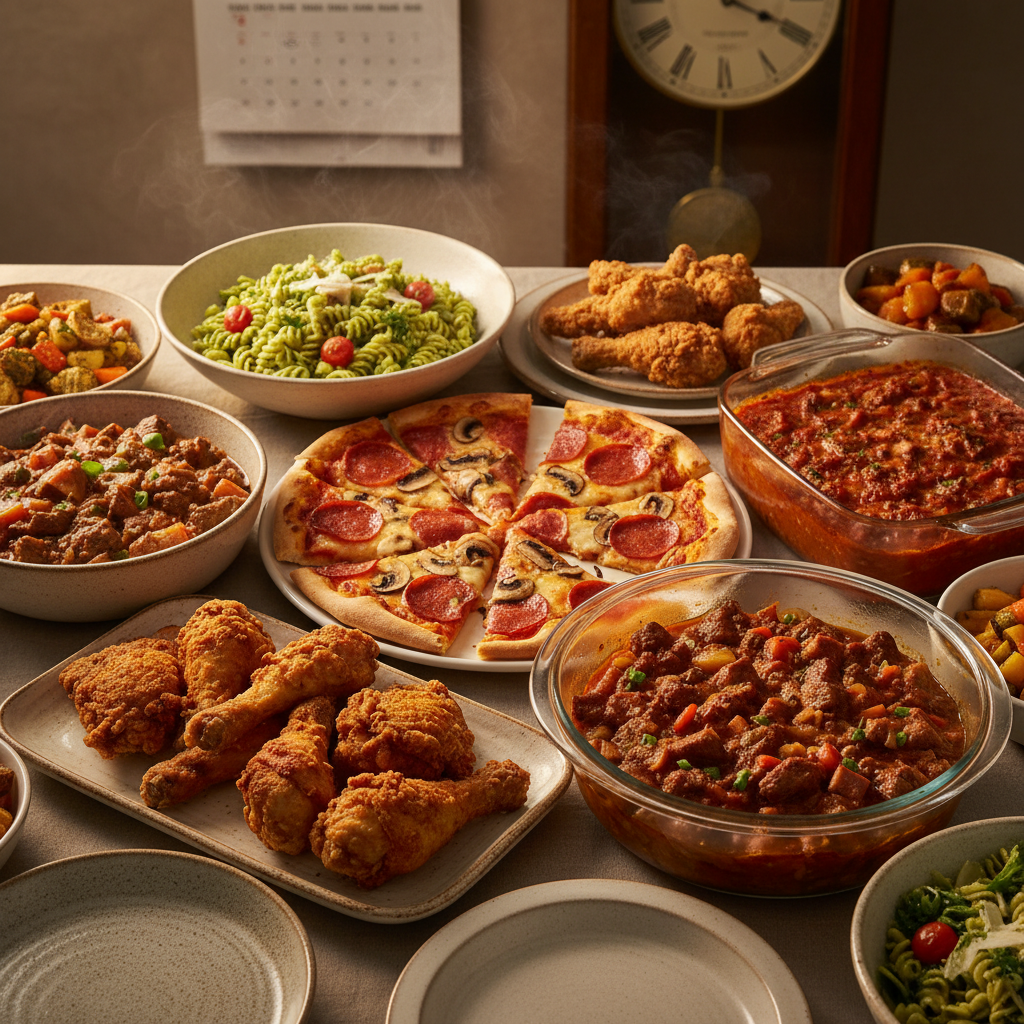
Fried chicken sits at the bottom of this list not because it gets worse, but because even fresh fried chicken is already near-perfect, limiting how much better it can become. However, cold fried chicken from the previous night actually develops a firmer, crunchier exterior as the oil sets and the coating becomes more crystalline. What most people don't realize is that the gelatin in the chicken skin continues to firm up during refrigeration, creating what food scientists call "cold-set gel formation." A 2019 America's Test Kitchen experiment found that day-old fried chicken actually had measurably crunchier coating than fresh, though the improvement feels incremental rather than transformative. The real hack: store it uncovered on a paper towel in the coldest part of your fridge to maximize crust preservation.
12. Pizza (New York style or Sicilian)
Cold pizza has achieved cultural icon status, but the science reveals something subtler than just "it's convenient." Overnight, the starches in the crust retrograde, meaning they recrystallize into a denser, more structured form that won't go floppy when you bite into it. The cheese also reaches an ideal firmness that prevents the grease from sliding off, while the toppings integrate more cohesively with the sauce. According to a Serious Eats analysis of pizza texture over time, the worst window for pizza is actually around 2-3 hours after baking when the crust has cooled but hasn't undergone full retrogradation. Pro tip: if you must reheat, use a cast iron skillet on medium-low rather than a microwave, which damages the crust structure and separates the cheese.
11. Barbecue Sauce-Based Dishes (ribs, pulled pork, brisket)
Barbecue benefits enormously from overnight refrigeration, though the improvement varies by meat cut and sauce composition. The sugar and vinegar in barbecue sauce continue to penetrate the meat fibers, while the rendered fat becomes gelatinous and distributes flavor more evenly throughout the protein. What's fascinating is that the browning compounds (Maillard reaction products) in barbecue sauce actually deepen and mellow overnight, creating a more complex flavor profile without becoming one-dimensional. Texas pit masters like Aaron Franklin have noted in interviews that competition brisket is often cooked a full day ahead specifically because the rest period allows the bark to set properly and the internal flavors to marry. If you're meal prepping barbecue, the 24-48 hour window is genuinely superior to eating it fresh off the smoker.
Related: Feed Your Family for $45 a Month: Budget Dinner Recipes That Actually Work
10. Egg-Based Casseroles (breakfast strata, quiche, frittata)
Egg dishes transform overnight because the custard component continues to set and firm as residual heat dissipates and proteins fully denature. The flavors in quiches and stratas, particularly those loaded with cheese and herbs, actually bloom more on the second day as the dairy fat carries fat-soluble flavor compounds more effectively. Restaurant chefs almost universally make quiches the day before service because they've learned through repetition that texture and flavor peak around 18-24 hours after baking. A practical consideration: egg casseroles store beautifully and actually tolerate reheating better than you'd expect, especially if you warm them gently in a 325-degree oven rather than a microwave.
9. Vegetable Soups (minestrone, vegetable barley, summer gazpacho)
Vegetable soups exemplify how time and cold temperatures can actually improve a dish's fundamental structure. The pectin in vegetables breaks down slightly overnight, releasing more flavor compounds into the broth while softening vegetables to an ideal texture. What food scientists call "flavor mellowing" occurs as volatile aromatic compounds either evaporate or combine into more stable, complex molecules. Minestrone specifically improves because the starch from pasta or beans continues to release amylose into the broth, creating a more cohesive, flavorful base. Cold gazpacho actually tastes sharper and more refreshing the next day because cold temperatures suppress our ability to detect bitterness and enhance our perception of acidity, making the tomato and vinegar profile more vibrant.
8. Chili (meat-based or vegetarian)
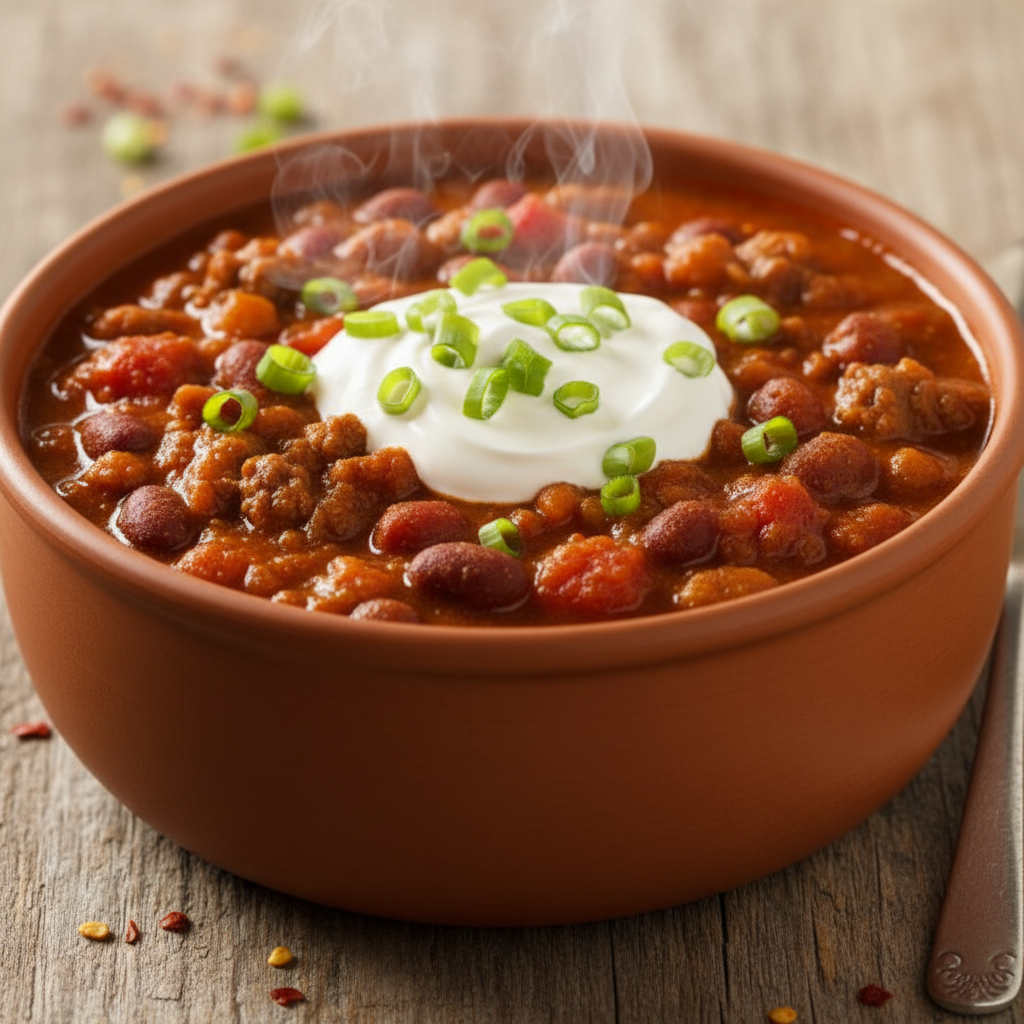
Chili represents one of the clearest examples of a dish that genuinely improves overnight, and it's purely a matter of flavor integration and spice maturation. The capsaicinoids from chili peppers actually soften slightly during refrigeration, becoming more distributed rather than harsh, while the beef or beans develop a more unified flavor. Multiple generations of chili competition judges and home cooks have documented that overnight chili tastes rounder and more balanced than fresh chili, with no single flavor dominating. The improvement comes partly from the cooling process allowing fat to distribute more evenly through the sauce, but also from actual chemical changes in how the spices bind together. Restaurant practice confirms this: most professional kitchens that serve chili make large batches specifically for next-day service.
7. Curry Dishes (Indian, Thai, or Malaysian curries)
Curry sits higher on the ranking because the transformation is not just noticeable but often dramatic. The coconut milk in Thai curries actually emulsifies more effectively overnight, creating a silkier mouthfeel, while the curry paste's individual spices (turmeric, coriander, cumin, galangal) continue to dissolve and integrate into the fat base. Indian chefs have explained in numerous cooking forums that curries made a day ahead taste superior because the yogurt or cream base has time to fully carry the fat-soluble spices. What's science-backed is that spice compounds are fat-soluble, meaning they need time and fat to fully extract and distribute. If you've ever had restaurant-quality curry at home and found it tastes different than when you made it fresh, refrigeration overnight before serving is often the missing variable.
Related: 25 Easy One-Pot Dinners That Actually Taste Amazing (And Won't Destroy Your Kitchen)
6. Beef Stew and Pot Roast
Beef stew experiences one of the most visible transformations on this list because the cooking process is incomplete until overnight refrigeration occurs. The collagen in tough cuts of beef converts to gelatin during the slow braise, but this gelatin actually sets and distributes more evenly during cooling and refrigeration. When you reheat beef stew the next day, the texture becomes incredibly tender and silky in a way that even extended cooking time can't achieve fresh. The potatoes and carrots also firm up slightly during cooling, meaning they won't fall apart into mush when you reheat. From a pure flavor perspective, the reduced braising liquid concentrates overnight as some moisture evaporates from the surface, intensifying the savory beef notes.
5. Lasagna and Layered Pasta Dishes
Lasagna improves so dramatically overnight that many Italian cooks consider it almost unfinished if served immediately after baking. The sauce continues to penetrate the pasta sheets, softening them to an ideal texture where they're tender but not disintegrating. The béchamel or ricotta layers firm up during cooling, allowing clean slices rather than the mess you get with warm lasagna. What's underreported is that the tomato-based sauce actually continues to deepen in color and richness overnight as Maillard reactions continue at a slower rate even during refrigeration. Professional Italian restaurants often make lasagna 24 hours ahead specifically because they understand this transformation. The cheese also reaches an ideal melting point when reheated, where it's creamy without being broken or separated.
4. Slow Cooker and Braised Dishes (pot roast, short ribs, carnitas)
Slow cooker meals deserve a high ranking because they represent a category where overnight refrigeration is almost universally considered essential by experienced cooks. The low and slow cooking method breaks down collagen into gelatin, but that gelatin truly sets and distributes most effectively during overnight refrigeration. When you reheat carnitas the next day, the meat becomes almost impossibly tender because the gelatin network has firmed throughout the entire piece of meat. Short ribs specifically benefit because the bone marrow has time to solidify slightly, distributing its richness more evenly through the meat. What Serious Eats' testing found is that slow cooker dishes reheated gently in the same liquid they were cooked in actually taste deeper and more complex than eating them fresh.
3. Meatballs and Meatloaf
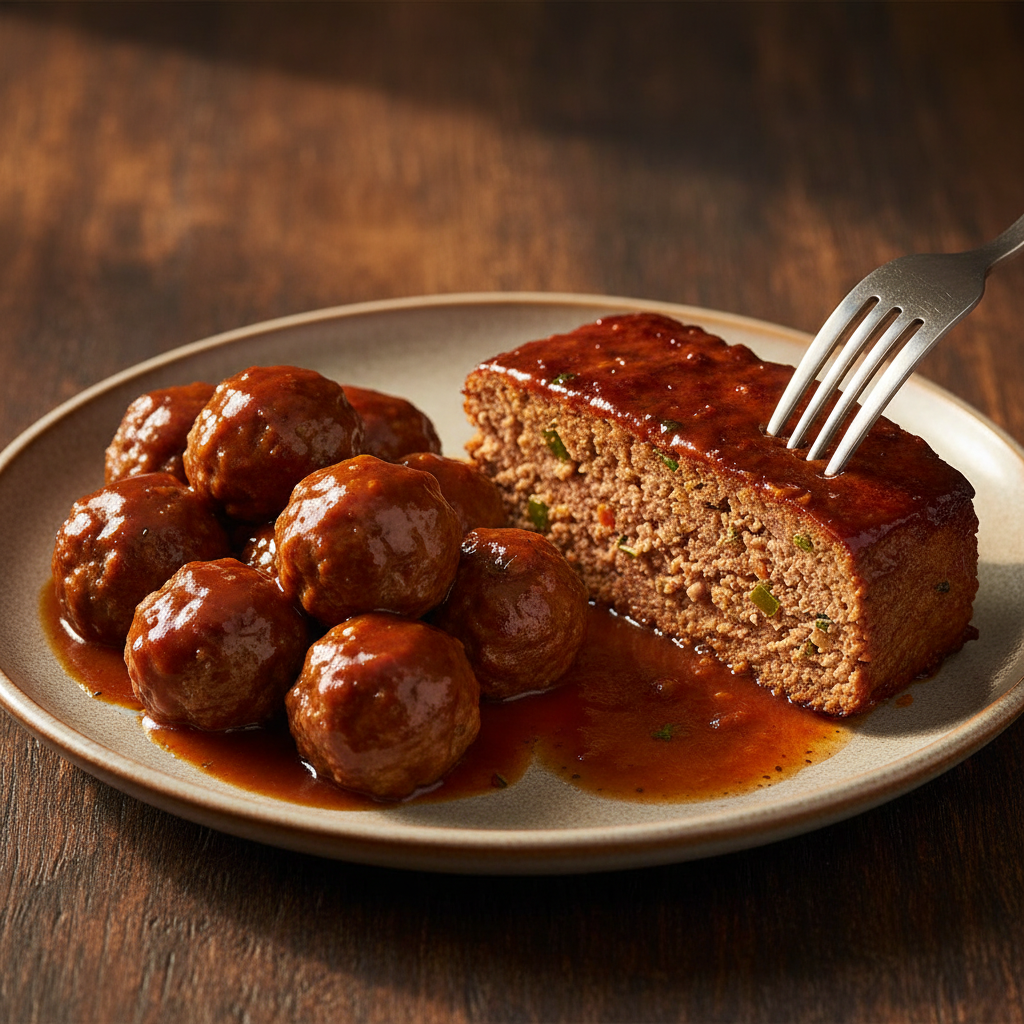
Meatballs and meatloaf belong here because they literally taste better cold or reheated, with flavors that are more pronounced and balanced than when freshly cooked. The ground meat allows sauce to penetrate throughout the ball in just a few hours, but overnight the tomato or other sauce bases actually penetrate the meat completely, flavoring it from the inside out. What's remarkable is that the herbs and spices in the meat mixture itself continue to release volatile compounds during refrigeration, making the meatball taste more complex and intentional. Many professional chefs actually prefer meatballs the next day because the edges aren't as sharp, meaning cleaner slices and less crumbling during serving. If you're making subs or meatball heroes, day-old meatballs with sauce actually hold together better and won't fall apart when you bite through.
2. Chinese-Style Fried Rice and Other Rice Dishes
Fried rice absolutely belongs near the top of this list because it literally cannot be made properly with fresh rice, making leftover rice a prerequisite rather than a byproduct. Day-old rice has dried out slightly, meaning each grain stays separate during the high-heat cooking process rather than clumping together. The starches in refrigerated rice have undergone retrogradation, creating a firmer, more toothsome texture that professional woks and high-heat cooking methods demand. What home cooks often discover through frustration is that freshly cooked rice creates steam and releases moisture, resulting in a soggy fried rice. Restaurant woks that produce that signature restaurant-quality fried rice with individual separated grains are almost always using rice that's been refrigerated overnight. This isn't just better as a leftover situation, it's genuinely superior and explains why fried rice on takeout menus always uses day-old rice as standard practice.
1. Chili Con Carne and Meat-Based Bean Chilis
Chili con carne claims the top spot because no other dish on this list experiences as profound or multi-faceted an improvement overnight. The ground beef continues to release umami compounds (specifically glutamates) into the sauce, while the beans absorb liquid and soften to an ideal creamy texture. The spice profile transforms because capsaicinoids become less harsh and more distributed, while the chili powder, cumin, and other dried spices actually bloom and release secondary flavor compounds during the overnight rest. The technical explanation involves multiple simultaneous processes: fat redistribution, starch gelatinization from beans, continued hydration of spices, and actual chemical changes in how the proteins and fats interact. Competition chili cooks and professional kitchens universally treat chili as something that must rest overnight because the improvement is consistent, predictable, and dramatic enough to be measurable in taste tests. What makes this food genuinely better rather than just different is that every single component improves simultaneously, creating a dish that tastes more intentional, balanced, and deeply flavorful.
How to Maximize Leftover Quality
Storage method matters enormously for whether a leftover actually improves or just sits there static. Use airtight containers or quality plastic wrap to prevent surface oxidation and moisture loss. For dishes that improve most through reheating, store them in their cooking liquid when possible (chilis, stews, curries). Some foods like pizza and fried chicken actually prefer uncovered storage to maintain texture. The temperature range of 32-40 degrees Fahrenheit is where the flavor integration magic actually happens, so don't store leftovers on your door where temperatures fluctuate. Most of these dishes peak at the 18-36 hour mark, though chili and curry can continue improving up to 72 hours.
The counterintuitive takeaway: stop viewing leftovers as compromises and start actively planning meals where the next-day version is the actual goal. Make lasagna tonight not because you're cooking ahead, but because tomorrow's lunch will be demonstrably better. This shift in perspective transforms meal planning from a chore into a system where your refrigerator becomes a flavor development lab that works while you sleep.