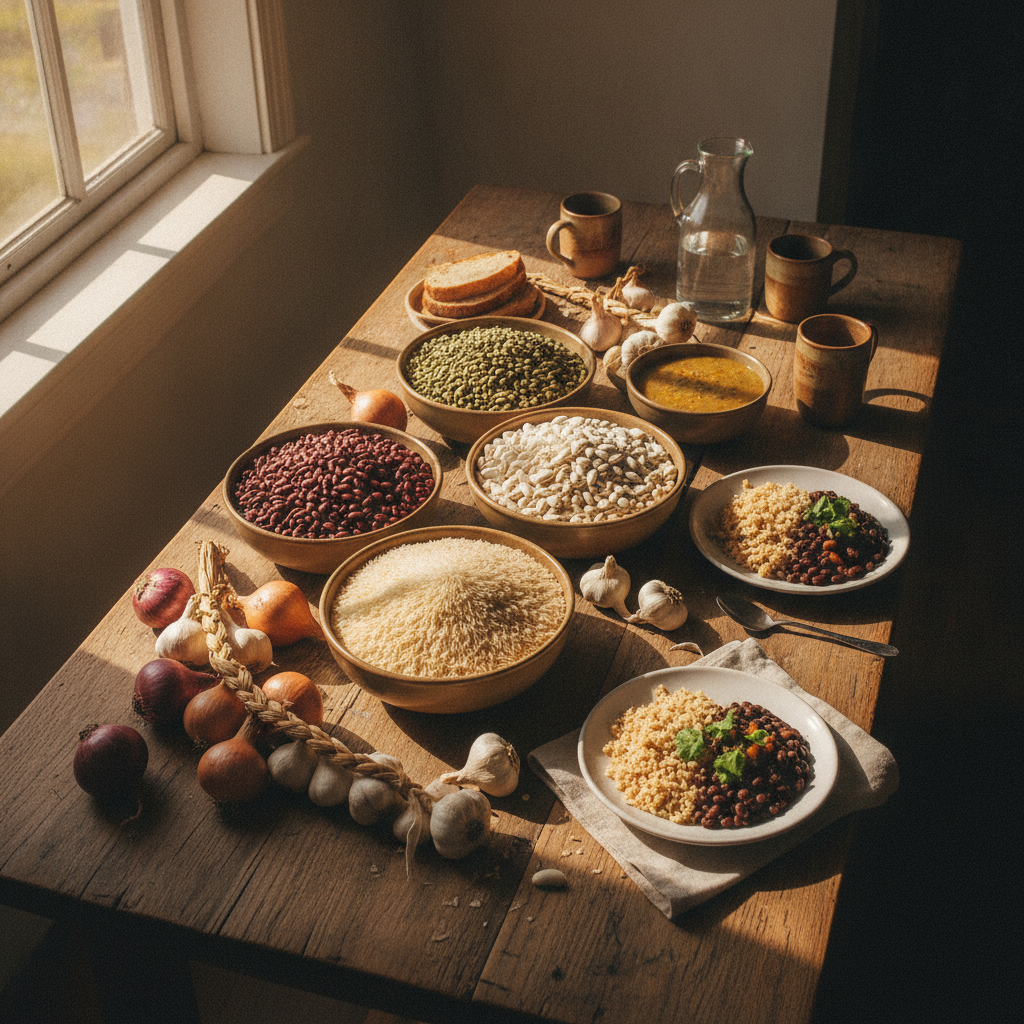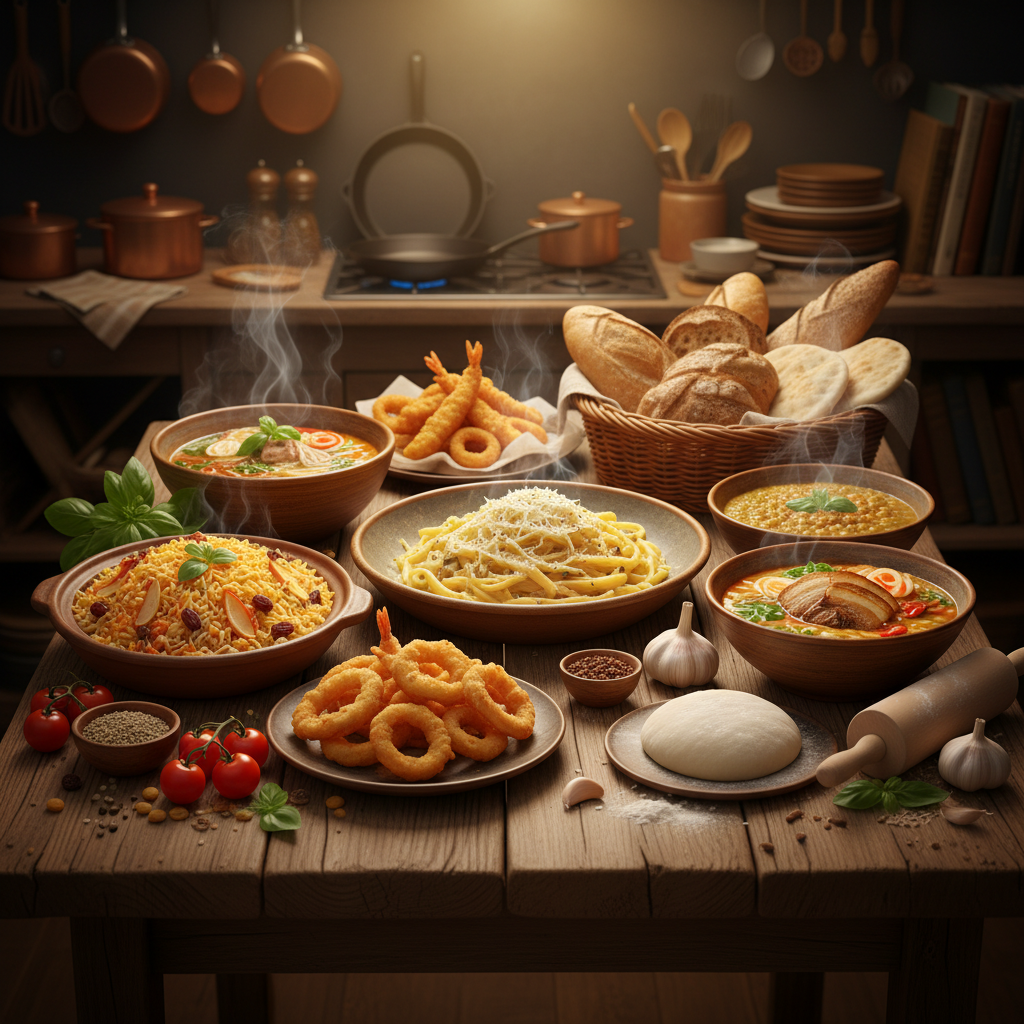
A 2023 survey from the American Psychological Association found that 61% of adults turn to comfort food specifically during stressful periods, making what we eat during tough times genuinely therapeutic rather than just indulgent. Comfort foods aren't simply about nostalgia or calories; they're deeply cultural artifacts that tell stories about how different communities find solace in their kitchens. The beauty of global comfort food is that most of it requires fewer than 10 ingredients and minimal technical skill, yet tastes like someone spent hours perfecting it. We've gathered 21 authentic comfort dishes from across the globe that you can realistically make at home tonight, each with the kind of specific, practical guidance that separates actual recipes from wishful thinking.
1. Japanese Ramen with Tonkotsu Broth
Ramen became Japan's unofficial national comfort dish for good reason: a steaming bowl delivers warmth, umami depth, and carbohydrate satisfaction in one slurp. The tonkotsu (pork bone) broth requires patience but not expertise, simmering for 4-6 hours while you go about your day. According to a 2022 report from Japan's Internal Affairs Ministry, ramen shops increased by 8% during pandemic lockdowns, with consumers citing emotional comfort as their primary driver. The secret most home cooks miss is adding a teaspoon of white miso paste in the final minutes, which creates that signature savory roundness without tasting obviously fishy.
The easiest shortcut: Use rotisserie chicken instead of making pork broth. Simmer chicken bones with ginger, soy sauce, and mirin for just 90 minutes, strain, then add store-bought ramen noodles and soft-boiled eggs.
2. Indian Butter Chicken (Murgh Makhani)
Butter chicken holds a paradoxical place in Indian cuisine: it's technically a modern invention (created in 1950s Delhi), yet it tastes ancient and essential. The sauce itself requires only tomato paste, heavy cream, butter, and garam masala, making it one of the fastest weeknight curries to prepare. What separates mediocre butter chicken from transcendent versions is blooming your spices in the oil before adding anything else for exactly 45 seconds, which releases their essential oils. A chicken thigh stays moist and flavorful far better than breast meat, which tends toward rubber-like texture.
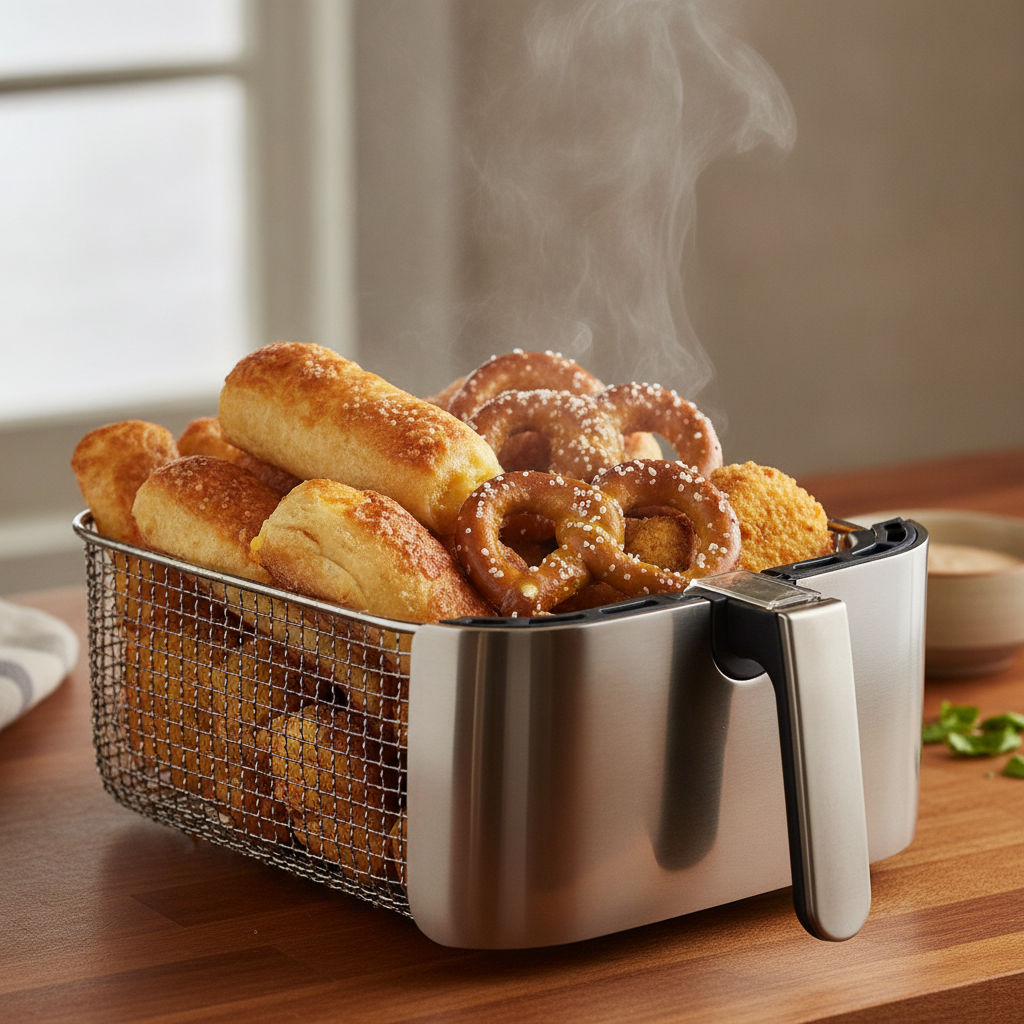
Related: 15 Best Air Fryer Snacks That Cook in Minutes (No Oven Required)
Real ingredient note: Use Kashmir chili powder rather than cayenne; it provides color and warmth without the sharp bite that overwhelms delicate cream-based sauces.
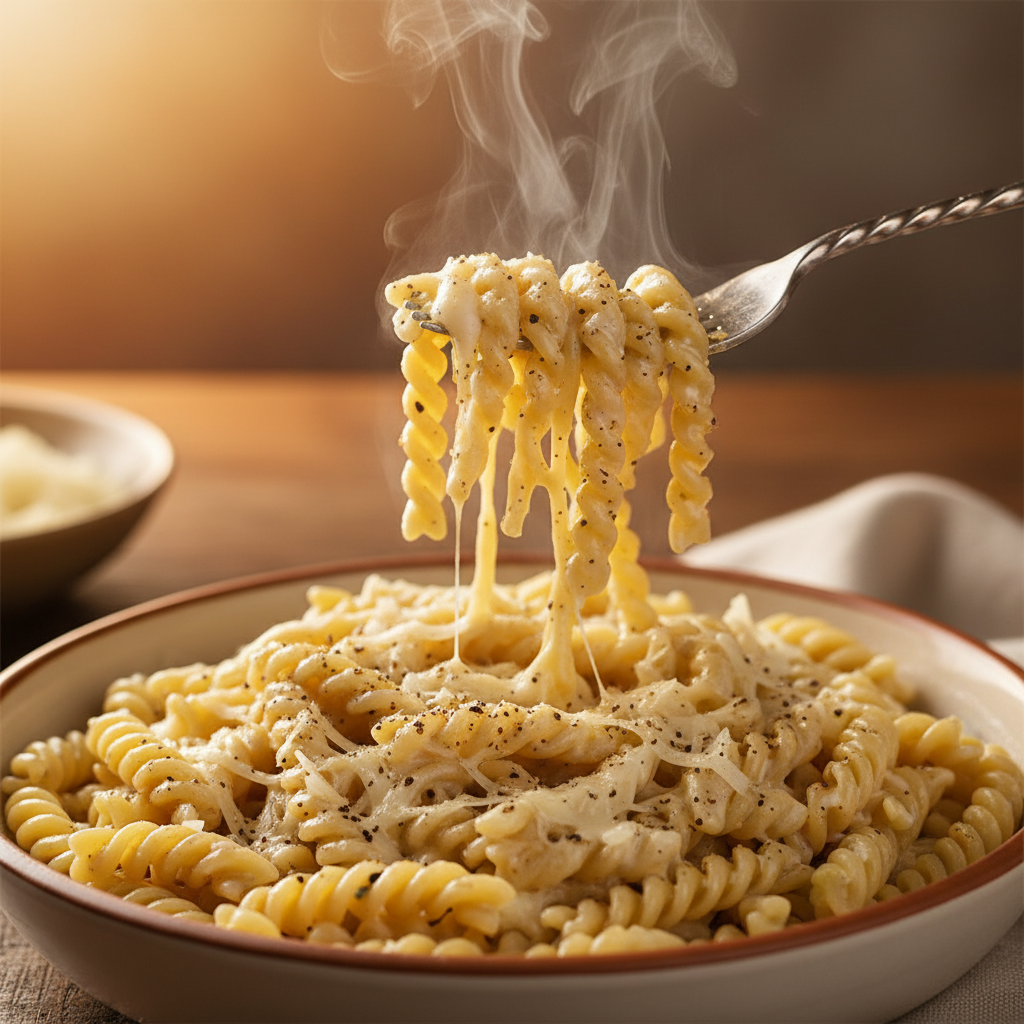
3. Italian Cacio e Pepe
Cacio e pepe represents comfort food in its most minimalist form: pasta, Pecorino Romano cheese, and black pepper, yet somehow achieves complexity that seems impossible from such sparse ingredients. The magic happens in technique rather than components; the water starch emulsifies with cheese and fat to create a silky sauce that clings to every strand. Roman food writer Evan Rail notes that this dish was historically the go-to meal for shepherds in the Apennine Mountains because the three ingredients traveled well and stayed fresh for weeks. The most common failure is overheating, which causes the cheese to seize and separate; keeping everything at a gentle temperature prevents this disaster.
The technique: Whisk cheese and pepper into pasta water off heat, then toss with hot pasta. The residual heat creates emulsification without breaking the sauce.
4. Korean Jjigae (Stew)
Korean stews occupy a specific emotional space in the culture, consumed hot in winter, lukewarm in summer, but always present when comfort is needed. Doenjang jjigae (soybean paste stew) might be the most forgiving version, requiring just soybean paste, vegetables, tofu, and broth. According to a 2021 Korean Food Foundation survey, 73% of Korean respondents identified stew as their top comfort food, more than any other category. What makes this stew different from its Asian cousins is the fermented umami of doenjang (miso), which provides layered depth that makes people keep returning to the bowl.
Related: 16 Café-Style Coffee Drinks You Can Actually Make at Home (No Espresso Machine Required)
Ingredient shopping tip: Doenjang from a Korean market tastes exponentially better than supermarket versions; the fermentation depth is immediately noticeable even in your first spoonful.
5. French Beef Bourguignon
Julia Child's famous beef bourguignon represents French comfort at its most luxurious: beef braised with burgundy wine, pearl onions, and mushrooms until the meat becomes so tender it nearly disappears. This dish actually improves when made a day ahead, as flavors deepen and meld overnight in the refrigerator. What most home recipes fail to explain is that the initial searing of beef serves a real purpose beyond browning; it creates a flavorful fond that becomes the foundation of your sauce. The wine doesn't evaporate completely as some recipes suggest; it transforms into a deeply savory element that makes people close their eyes when they taste it.
Wine selection matters: Use an actual Burgundy wine (like a Pinot Noir from Oregon at minimum) rather than cooking wine, which contains added salt and disappoints. Save your good bottle and use something mid-range but genuine.
6. Mexican Chiles Rellenos
Stuffed poblano peppers filled with cheese, dipped in egg batter, and simmered in tomato sauce represent Mexican comfort food at its most approachable for home cooks. The poblano pepper has just enough heat to be interesting without overwhelming, unlike the aggressive burn of jalapeños or habaneros. Mexican culinary expert Diana Kennedy explains in her seminal cookbook that the egg white should be whipped until stiff peaks form, creating an almost soufflé-like coating that puffs slightly during cooking. Many recipes skip the roasting and peeling step, which is a critical mistake; the charred skin needs to steam in a plastic bag for 10 minutes, then peels away effortlessly.
Cheese recommendation: Use Oaxaca cheese (fresh, similar to mozzarella) or quesillo, which melts into a creamy interior without becoming greasy like some aged cheddar varieties.
7. Turkish Lentil Soup (Mercimek Corbasi)
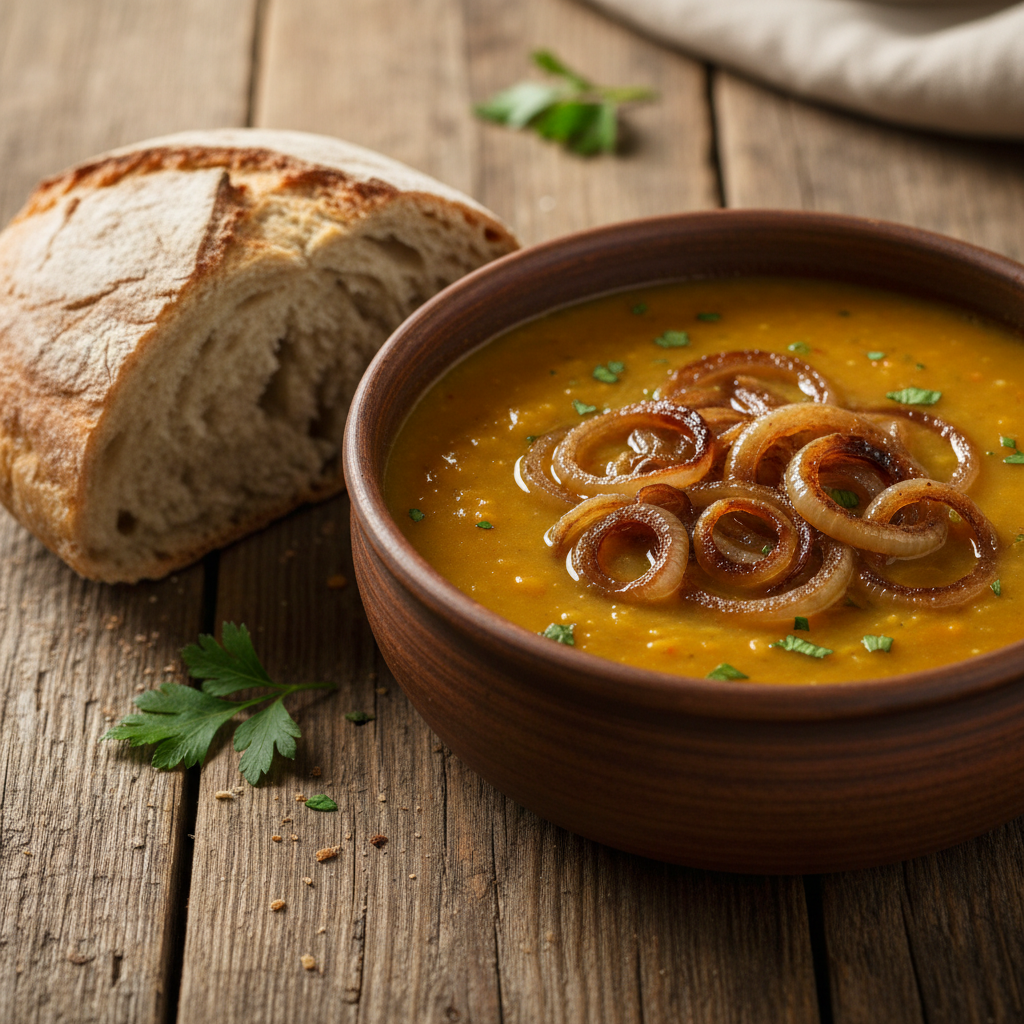
Mercimek corbasi represents one of the world's oldest comfort foods, dating back centuries in Turkish and broader Eastern Mediterranean cooking. Red lentils break down almost completely during cooking, creating a velvety texture that requires no blending for smoothness. This soup appears on menus from casual neighborhood restaurants to white-tablecloth establishments, indicating its status across all economic classes as a trusted source of nourishment. The warm spice of cumin and the brightness of lemon juice at the end transform simple vegetables and legumes into something memorable and deeply satisfying.
The hack: Caramelize your onions separately before adding to the lentils; this adds sweetness and depth that elevates the entire pot.
8. Brazilian Feijoada
Feijoada, a black bean stew with pork, defines Brazilian comfort in ways that connect to both history and celebration simultaneously. The dish emerged from slave cuisine but evolved into a national treasure served at festivals and Sunday family tables alike. A proper feijoada simmers for hours, allowing flavors to deepen and the beans to become almost creamy. According to Brazilian food historians, the combination of beans, pork, and black beans creates a complete protein that sustained agricultural workers through physically demanding days.
Authentic shortcut: Use a slow cooker overnight; the low heat produces better texture than stovetop versions and frees your stove during the day.
9. Thai Green Curry (Gaeng Keow Wan)
Thai green curry delivers heat, creaminess, and herbaceous freshness simultaneously, making it one of the world's most balanced comfort dishes. The green curry paste contains fresh chilies, cilantro, and aromatics that provide brightness even in a rich coconut cream base. What separates authentic versions from sad restaurant interpretations is the ratio of paste to liquid; too much coconut milk drowns the delicate heat, while authentic curry maintains intensity. The addition of Thai basil at the very end adds a peppery note that elevates everything.
Paste sourcing: Thai Kitchen or Mae Ploy brand pastes from supermarket international sections work admirably; freshly made paste is better but requires a food processor and multiple specialty ingredients most home cooks don't keep.
10. Irish Colcannon
Colcannon proves that comfort food doesn't require complexity: mashed potatoes, cabbage, butter, and milk combined into something greater than the sum of its parts. This Irish staple appears on tables from Dublin to rural villages, particularly around Halloween when it holds special cultural significance. The key technique is cooking cabbage until tender before folding into the mash, ensuring even distribution of flavor rather than chunks of vegetable. Rural Irish cooks historically added a well of melted butter directly into the center of the mound, which each person mixed in according to preference.
Potato variety: Use starchy potatoes like russets or Yukon golds, which absorb butter and milk better than waxy varieties like red potatoes.
11. Spanish Caldo de Pollo (Chicken Broth with Rice)
Caldo de pollo represents the Spanish version of chicken soup remedies, though richer and more substantial than its American counterpart. The broth base builds from roasted bones and aromatics simmered for just 45 minutes, allowing the rice to absorb the flavor while still maintaining individual grain structure. What makes this dish exceptional is the sofrito base: tomato paste, onion, and garlic cooked together until deeply caramelized, creating foundational umami. Spanish families prepare massive pots of this soup, freezing portions for weeks when someone feels unwell or needs comfort.
Saffron addition: A pinch of Spanish saffron threads steeped in the warm broth adds color and a subtle floral note that distinguishes this from pedestrian chicken and rice.
12. Lebanese Fattoush Salad
Fattoush might seem like an unusual comfort food, yet its warm pita chips mixed with cool vegetables and tangy dressing creates genuine emotional satisfaction. The toasted pita bread provides textural contrast and carbohydrate comfort, while fresh herbs deliver brightness. This salad appears as a starter in restaurants but functions as a complete meal when served with labneh (strained yogurt). The sumac spice provides a lemony tang that distinguishes this from generic Mediterranean salads.
Pita preparation: Cut pita into triangles, brush lightly with olive oil and salt, then toast in a 350-degree oven until golden and crisp; this creates exponentially better texture than store-bought croutons.
13. Vietnamese Pho
Pho represents Vietnamese comfort at its most iconic: a fragrant broth infused with star anise, cinnamon, and cardamom served with rice noodles and minimal protein. The actual noodle cooking happens at your table when the hot broth is poured over raw beef, creating customizable doneness levels. Creating authentic pho broth requires 12-24 hours of simmering beef bones and aromatics, though a functional shortcut involves pressure cooking for 90 minutes. Pho Street in Hanoi, according to food journalists, has served the same recipe from the same location for over 80 years, which suggests the comfort value transcends culinary trends.
The garnish table: Thai basil, bean sprouts, lime wedges, and jalapeños serve as essential components, not optional extras; they provide the freshness that balances the deep broth.
14. Polish Pierogi
Pierogi, Eastern European dumplings filled with potato and cheese, require modest hand skills but deliver disproportionate satisfaction. The dough itself contains just flour, eggs, salt, and butter, coming together quickly and resting while you prepare filling. What makes pierogi distinct is the boiling water bath test: when the dumpling floats and stays afloat for several minutes, it's done. Polish tradition dictates serving pierogi with sautéed caramelized onions and sour cream on the side, allowing each person to customize their ratio.
Make-ahead advantage: Pierogi freeze beautifully on sheet trays before transferring to freezer bags; cooking frozen versions takes just a few additional minutes.
15. Moroccan Tagine
Tagine represents North African comfort food architecture: meat or vegetables braised with dried fruits, warm spices, and sometimes nuts into something simultaneously sweet and savory. The actual tagine is both a cooking vessel and the name of the dish, though a Dutch oven works perfectly for home cooking. The flavor profile combines cinnamon, cumin, ginger, and turmeric with preserved lemon and olives, creating complexity that unfolds across multiple layers. Moroccan families prepare tagine on weekends, allowing hours of slow cooking that fills homes with spice-laden steam.
Preserved lemon substitute: If unavailable in your area, combine fresh lemon zest with salt, letting it sit for several hours to develop similar tangy intensity.
16. Swiss Fondue
Fondue transcends simple cheese sauce, operating as both comfort food and social experience that encourages lingering at the table. The wine-based broth prevents the cheese from becoming gelatinous, maintaining a silky texture perfect for dunking bread cubes or vegetables. Swiss tradition dictates using two or three different cheeses (typically Emmental, Gruyere, and sometimes Appenzell), each bringing distinct flavor notes. The practice of eating fondue forces pace and conversation; you cannot rush through a communal pot of melted cheese.
Temperature management: Keep the heat low enough that the fondue barely bubbles; aggressive heat causes oil separation and textural deterioration.
17. Greek Moussaka
Moussaka rivals lasagna in complexity but delivers Mediterranean flavor with eggplant layers creating a distinctive textural element. The meat sauce simmers with tomato and wine, creating a rich base, while creamy béchamel provides cohesion between layers. What separates good moussaka from transcendent versions is proper eggplant treatment: salting and broiling to remove excess moisture, preventing watery interior layers. This dish benefits enormously from overnight refrigeration, allowing flavors to meld before baking.
Assembly tip: Arrange eggplant slices on parchment and broil rather than pan-frying, which uses significantly less oil while achieving superior texture.
18. American Mac and Cheese
Mac and cheese has evolved from 1950s Kraft box comfort into a vehicle for genuine culinary expression while maintaining its essential soul. The best versions use a combination of cheeses: sharp cheddar for flavor, Gruyere for complexity, and often a touch of Dijon mustard for sophistication. A 2022 survey from the American Cheese Society found that homemade mac and cheese ranked second only to pizza among comfort foods for adults aged 25-45. The béchamel base matters far more than cheese selection; proper roux and milk proportion creates that creamy binding that separates quality versions from grainy imposters.
Crispy topping trick: Mix panko breadcrumbs with melted butter and sharp cheddar, spreading across the surface before baking for textural contrast.
19. Filipino Adobo
Adobo, the unofficial national dish of the Philippines, combines chicken or pork with vinegar, soy sauce, and garlic into something deeply savory and slightly tangy. The cooking method requires only one pot and minimal active time once ingredients combine. The vinegar serves a functional purpose beyond flavor; it helps preserve the dish, allowing Filipino families to store adobo for several days without refrigeration if necessary. This historical significance means adobo appears at family celebrations, casual Tuesday dinners, and restaurant menus with equal prevalence.
Sauce reduction: After cooking the protein through, remove it and boil the remaining liquid until it thickens into a glaze, then recombine; this concentrates flavors significantly.
20. German Schnitzel with Spätzle
Schnitzel, a thin-pounded cutlet dredged in breadcrumbs and fried, represents straightforward comfort that transforms simple protein into something crispy and golden. The key to proper schnitzel is pounding the meat thin, which allows it to cook through without drying out. Spätzle, tiny egg noodles, serve as the traditional accompaniment, soaking up pan juices and adding carbohydrate satisfaction. This combination appears on menus from casual beer halls to traditional Bavarian restaurants, indicating its essential place in German food culture.
Temperature critical point: Oil must reach 350 degrees before adding schnitzel; cooler oil results in grease absorption rather than crispy coating.
21. Swedish Meatballs with Lingonberry Jam
Swedish meatballs, often dismissed as IKEA furniture-store accompaniments, actually represent sophisticated Scandinavian comfort food that balances savory with subtle sweetness. The meatball mixture typically combines ground beef and pork with bread soaked in milk, creating a tender interior. The cream-based gravy receives brightness and tartness from lingonberry jam, creating complexity without bitterness. Swedish tradition serves these with boiled potatoes and cucumber salad, though buttered egg noodles work beautifully as well.
Meat proportion hack: Using 70% beef and 30% pork creates better flavor than all-beef versions; the pork fat prevents dryness while adding subtle flavor.
The Takeaway
Comfort food transcends geography and cultural boundaries because every society has discovered that certain ingredient combinations and cooking methods soothe both body and spirit. These 21 dishes prove that achieving restaurant-quality comfort doesn't require culinary school or exotic equipment; it requires understanding why each technique matters and respecting ingredient quality. Start with whichever dish speaks to your current emotional state, knowing that each one has sustained humans through difficulty for generations.