17 Cheap Grocery List Ideas for One Person (That Don't Get Boring)
Eating well on a budget as a solo diner doesn't mean resigning yourself to the same sad pasta and canned beans rotation every single week. The truth is, with a little strategic planning and creative thinking, you can build a grocery list that keeps your meals interesting, nutritious, and genuinely affordable. We've put together this guide to help you break out of the budget eating rut and discover practical, delicious options that work perfectly for one person.
1. Eggs: The Ultimate Budget Protein
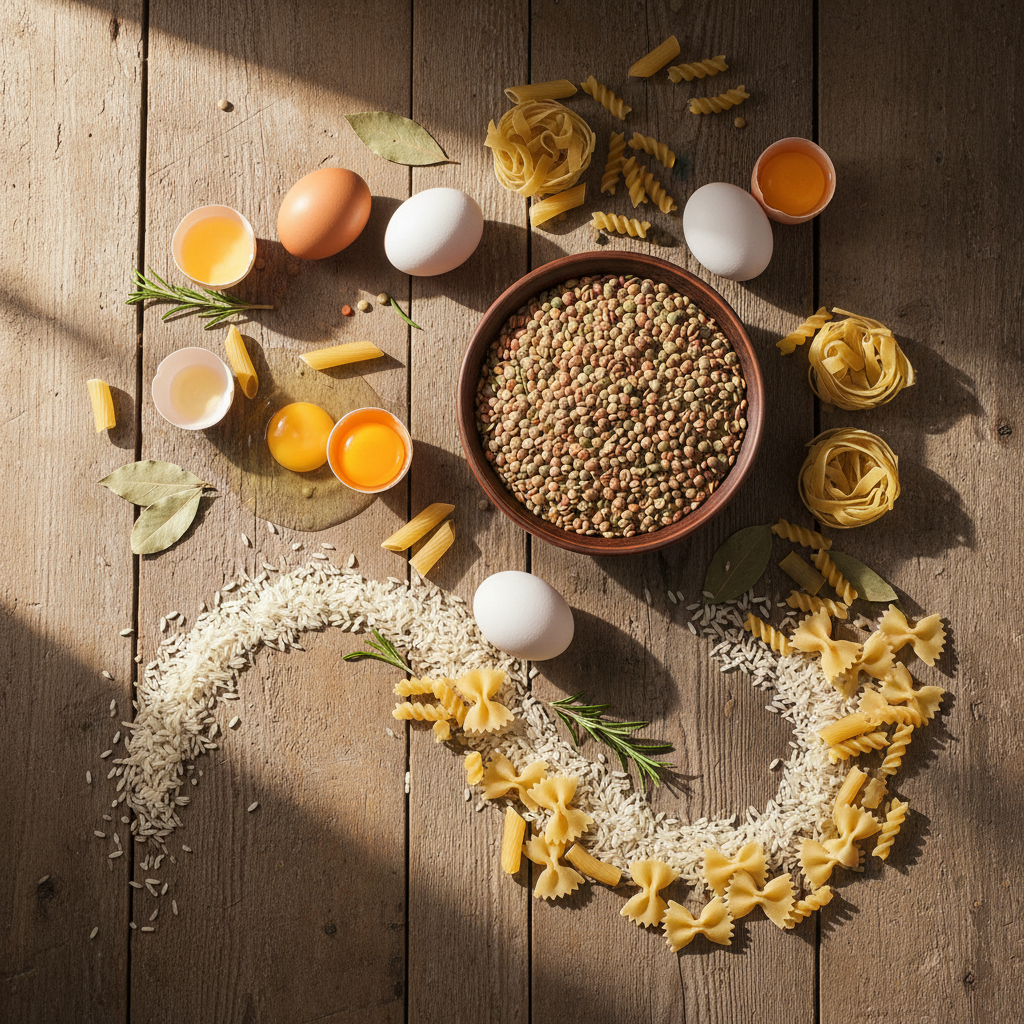
Eggs are basically the MVP of cheap eating, offering complete protein at roughly 20-30 cents per egg depending on where you shop. You can scramble them for breakfast, hard boil a dozen for grab-and-go snacks, make frittatas with whatever vegetables you have on hand, or whip up a simple fried rice dinner. Buy them in bulk when they're on sale and they'll last weeks in your refrigerator.
2. Dried Beans and Lentils: Protein That Costs Pennies
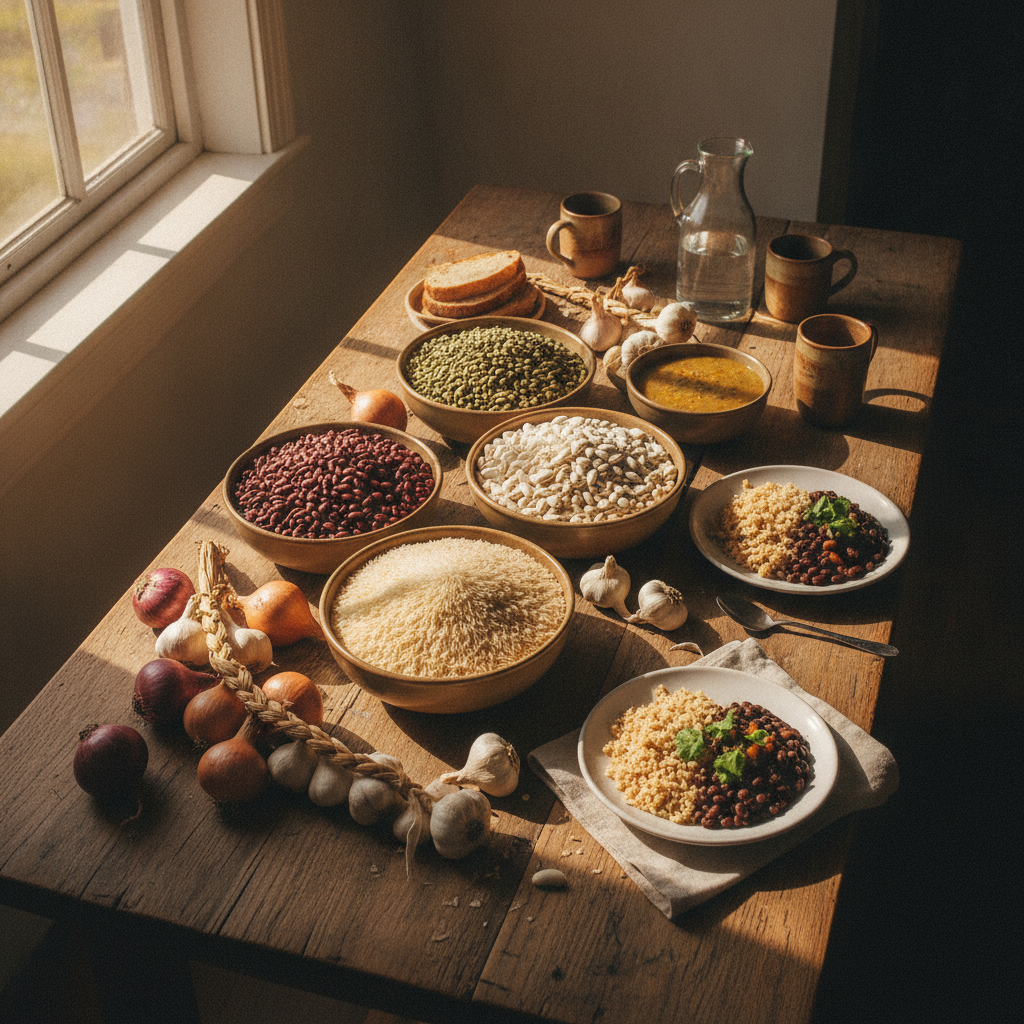
A bag of dried beans or lentils costs under a dollar and yields multiple meals worth of protein. Unlike canned versions, dried varieties give you more control over sodium and provide better value per serving. Make a big batch on Sunday (black beans, chickpeas, or split peas work great), portion it into containers, and use it throughout the week in salads, grain bowls, soups, or as taco filling.
3. Rice and Pasta: The Meal Foundation
White rice, brown rice, and pasta are absolute staples that cost mere pennies per serving when bought in bulk. They're shelf stable for months, filling, and pair with almost anything in your pantry. Stock multiple varieties to keep meals from feeling repetitive: jasmine rice for Asian flavors, brown rice for heartier meals, whole wheat pasta for extra nutrition.
Related: Feed Your Family for $45 a Month: Budget Dinner Recipes That Actually Work
4. Canned Tomatoes: Your Sauce Secret Weapon
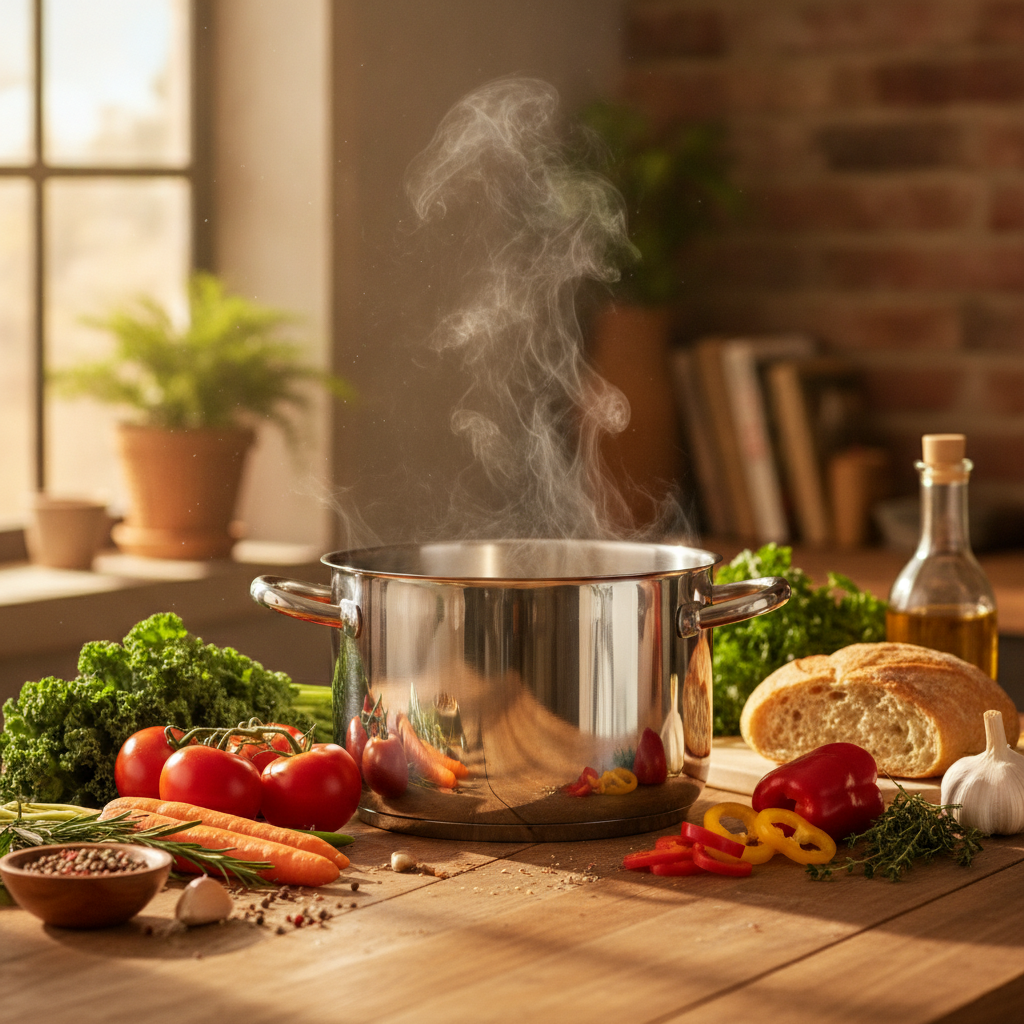
Canned whole or diced tomatoes cost around 50 cents to a dollar per can and form the base for countless cheap meals. Use them to make pasta sauce, curry bases, soups, and chili without paying premium prices for fresh tomatoes that might go bad. Buying store brands and watching for sales can get prices even lower, sometimes under 50 cents per can.
5. Onions and Garlic: Flavor for Less Than a Dollar
These aromatic vegetables are incredibly cheap and add massive flavor to any meal without adding calories or fat. A whole bag of onions costs just a few dollars and lasts weeks when stored properly in a cool, dark place. Similarly, garlic (whether fresh bulbs or jarred minced) is a pantry must-have that makes budget meals taste significantly better.
6. Potatoes: Versatile and Filling
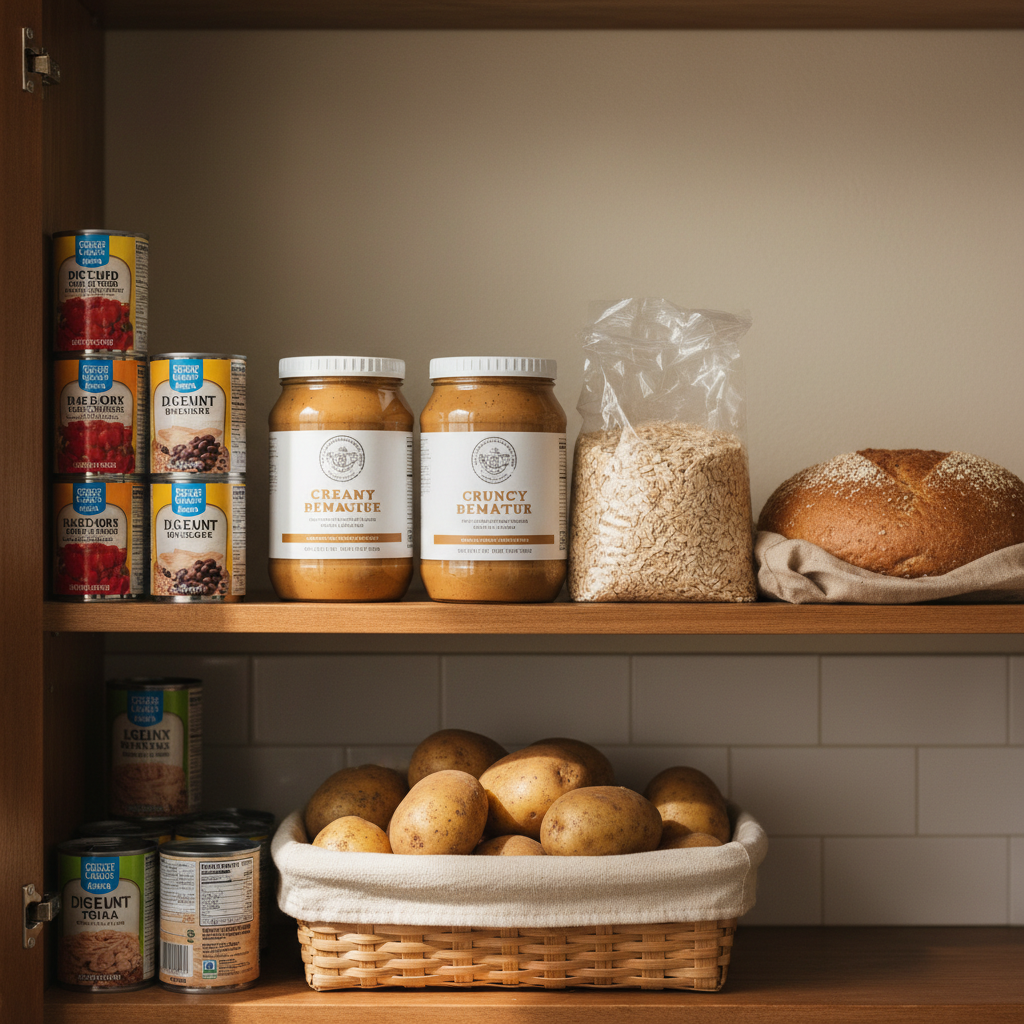
A five-pound bag of potatoes might cost just 2-3 dollars and provides easily ten to fifteen servings depending on portion size. Bake them, roast them, mash them, turn them into soup, or make a simple hash with whatever vegetables and proteins you have available. They're satisfying, nutritious, and genuinely one of the cheapest calories you can buy.
7. Peanut Butter: Protein and Healthy Fats
A jar of peanut butter costs around 2-3 dollars and provides protein, healthy fats, and serious satiety for breakfast, snacks, or even dinner. Eat it on toast, blend it into smoothies, use it as a base for Asian-inspired sauces, or simply eat a spoonful when you need quick fuel. Generic store brands are just as good as name brands and save you several dollars.
Related: 25 Easy One-Pot Dinners That Actually Taste Amazing (And Won't Destroy Your Kitchen)
8. Oats: Breakfast on a Budget
Old-fashioned or quick oats cost just a few dollars per large container and provide weeks worth of breakfasts. Make savory or sweet oatmeal, bake them into cookies, blend them into smoothies, or use them as a base for granola. Buy bulk containers rather than individual packets to save significantly on price per serving.
9. Bananas: The Cheapest Fruit
Bananas are almost always the least expensive fruit at the grocery store, often available for 50 cents a pound or less. They're great as a snack, in oatmeal, blended into smoothies, or even baked into simple bread. Buy them when they're slightly yellow and they'll ripen over several days, giving you flexibility in when you eat them.
10. Frozen Vegetables: Better Than Fresh on Budget
Frozen broccoli, mixed vegetables, peas, and corn are often cheaper than fresh varieties and actually contain more nutrients since they're frozen at peak ripeness. There's zero waste with frozen veggies since you only use what you need and the rest keeps for months. Add them to rice, pasta, soups, or stir-fries for easy nutrition without the spoilage factor of fresh produce.
11. Canned Fish: Omega-3s Without Breaking the Bank
Canned tuna and sardines are affordable protein options that last forever in the pantry and offer omega-3 fatty acids. Make simple tuna salad sandwiches, toss them into pasta, or eat them straight with crackers as a quick snack. Buy store brands on sale and stock up; a can might cost just 50 cents to a dollar.
12. Bread and Flour: Carbs That Stick Around
A loaf of budget bread costs around a dollar and provides ten to twelve servings for sandwiches, toast, or making breadcrumbs. All-purpose flour is equally cheap and lets you bake simple items like pancakes, biscuits, or quick breads instead of buying prepared versions. Whole wheat varieties cost slightly more but offer better nutrition and satiety.
13. Cabbage: The Affordable Bulk Vegetable
A whole head of cabbage might cost just a dollar and provides ten to fifteen servings of vegetable. Shred it for coleslaw, chop it into soups and stir-fries, or roast it for a surprisingly delicious side dish. Cabbage keeps for weeks in the refrigerator when stored properly, making it perfect for meal planning on a budget.
14. Oil and Vinegar: Season Without Spending
Cheap vegetable oil and vinegar are kitchen staples that last forever and cost just a few dollars for bottles that last months. These simple pantry ingredients let you make homemade salad dressings, marinades, and cooking bases without paying premium prices for bottled versions. Buy generic brands and you're spending pennies per serving on flavor.
15. Milk and Yogurt: Budget Dairy Options
Store brand milk and yogurt are significantly cheaper than name brands while offering identical nutrition. Use milk in coffee, cereal, and cooking, and choose plain yogurt over flavored varieties so you can control sugar and cost. Buy the largest containers available since they offer better per-serving pricing than individual cups or small bottles.
16. Cheese: Strategic Splurging
Rather than buying expensive specialty cheeses, opt for blocks of cheddar or mozzarella that you can portion and grate yourself. A one-pound block might cost 3-4 dollars but yields far more usable cheese than pre-shredded versions that contain anti-caking agents. Use it for simple pasta dishes, sandwiches, or melted on eggs for budget-friendly protein additions.
17. Spices and Seasonings: Cheap Flavor Multipliers
Building a spice collection takes initial investment, but each bottle costs just a few dollars and lasts years. Stock basics like salt, pepper, garlic powder, paprika, cumin, and chili powder, then watch how they transform simple rice and beans into genuinely interesting meals. Bulk spice stores and ethnic markets often offer better prices than supermarket spice aisles.
Make Budget Eating Your Superpower
Eating cheaply as one person is absolutely doable when you focus on versatile basics, buy strategically, and give yourself permission to get creative in the kitchen. The seventeen items on this list provide endless combinations for meals that taste good, cost very little, and won't bore you to tears. Start by picking three to five items that appeal to you, build meals around them for a week, and gradually expand your rotation as you discover what you actually enjoy eating. Your wallet and your taste buds will thank you.