13 Foods That Taste Surprisingly Better The Next Day (Science Agrees)
Have you ever noticed that last night's leftovers sometimes taste even better than the fresh version? You're not imagining things. There's actually real science behind why certain foods improve after a day or two in the fridge. Understanding which dishes benefit from this phenomenon can help you meal prep smarter, reduce food waste, and genuinely enjoy your leftovers more. Let's explore the culinary magic that happens when time does the cooking for you.
1. Chili and Stews: The Flavor Fusion Effect
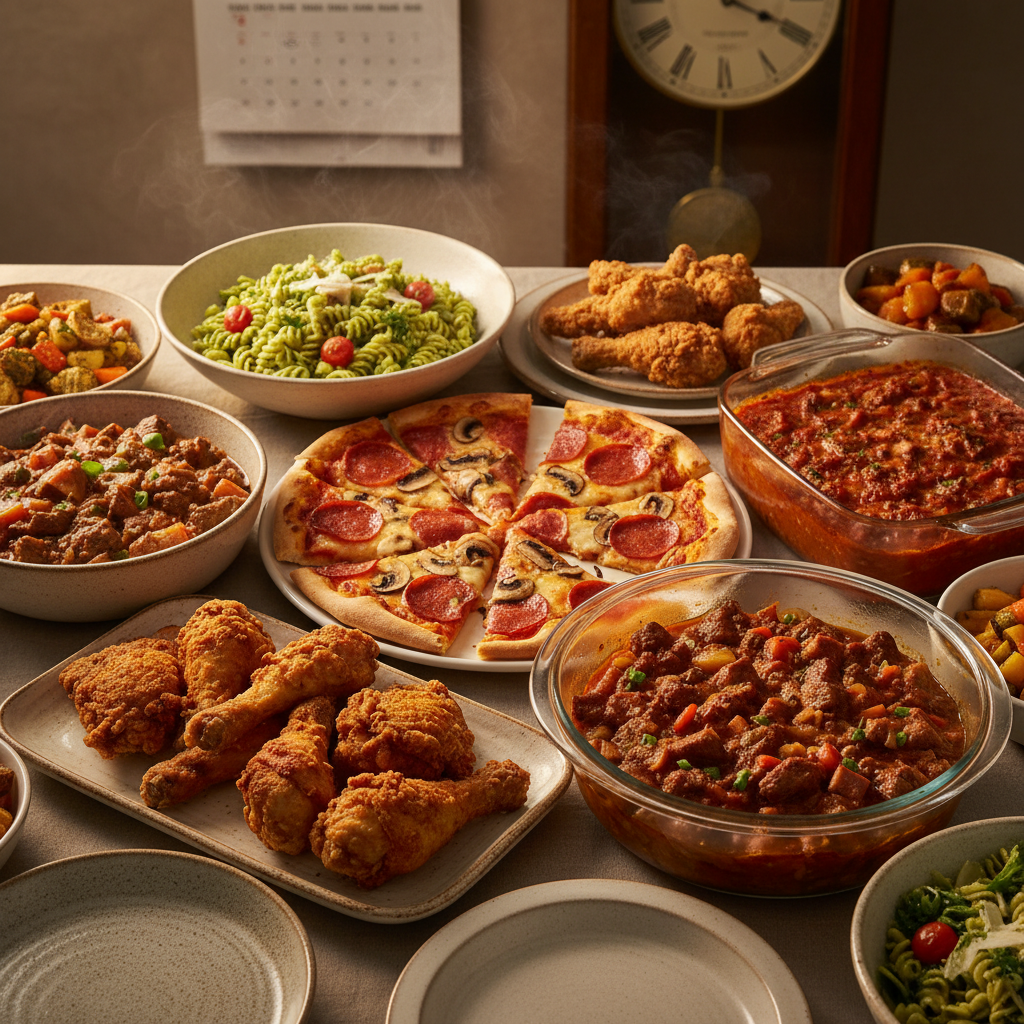
Chili and hearty stews are poster children for foods that taste better the next day. As these dishes sit, the individual flavors from spices, meat, and vegetables continue to meld together in a process called flavor bridging. The flavors literally become more integrated and balanced, creating a deeper, richer taste profile. Many professional chefs actually recommend making chili a full day before serving, and some swear by letting it sit for two days.
2. Marinara Sauce: Acid Mellowing Magic
Tomato-based marinara sauce undergoes a fascinating transformation in the refrigerator. The acidity of the tomatoes gradually mellows out over time as the pH levels stabilize, making the sauce taste less sharp and more refined. Additionally, the aromatics in garlic and basil have more time to infuse into the sauce, creating a more cohesive flavor. This is why Italian cooks traditionally prepare their sauces hours or even days in advance.
3. Soup: The Ultimate Next-Day Dish
Whether it's chicken noodle, minestrone, or French onion, soup almost universally tastes better after sitting overnight. The broth acts as a flavor conductor, allowing all ingredients to exchange tastes more thoroughly through osmosis and diffusion. The starches in vegetables and pasta also continue to absorb and release flavors, deepening the overall complexity. Most homemade soup reaches its flavor peak between 24 to 48 hours in the refrigerator.
Related: Feed Your Family for $45 a Month: Budget Dinner Recipes That Actually Work
4. Curry: Spice Integration Takes Time
Curries are another class of dish where patience pays off. The complex mixture of spices (turmeric, cumin, coriander, etc.) needs time for their essential oils to fully dissolve into the sauce and coat each ingredient evenly. Fresh curry can actually taste a bit harsh or unbalanced, but after a day in the fridge, all those spices have integrated into a smooth, harmonious blend. The coconut milk or cream also has time to fully absorb the spice flavors, creating richer mouthfeel.
5. Beef Stew: Collagen Becomes Gelatin
Beef stew improves dramatically after sitting because the collagen in the tough meat fibers breaks down into gelatin, creating a silkier, more luxurious texture. This chemical transformation happens over time and creates a naturally rich, sticky mouthfeel that's hard to achieve fresh. The longer cooking process combined with refrigeration also allows the beef to become more tender and flavorful as it continues to marinate in the savory braising liquid.
6. Bolognese Sauce: The Ultimate Slow Infusion
True Bolognese sauce is meant to be a slow, patient endeavor, and it genuinely tastes better the next day. The ground meat continues to release its flavors into the tomato base, while the wine and milk in traditional recipes create complex flavor interactions that need time to develop. Many Italian cooks prepare Bolognese days in advance, and some even freeze it to let the flavors further concentrate and meld before thawing and reheating.
7. Pulled Pork or Brisket: Resting Redistributes Juices
Smoked or slow-cooked meats like pulled pork and brisket actually benefit from an overnight rest in the refrigerator. After the initial cooking, the meat needs time for its juices to redistribute fully throughout the meat fibers, making it more tender and flavorful when reheated. The rendered fat also has time to solidify and meld back into the meat, creating a more cohesive texture and richer taste experience.
Related: 25 Easy One-Pot Dinners That Actually Taste Amazing (And Won't Destroy Your Kitchen)
8. Chilled Pasta Salad: Pasta Continues to Absorb Dressing
Pasta salad is one of the few cold dishes that genuinely improves with time. The pasta noodles continue to absorb the oil and vinegar-based dressing throughout the night, becoming more flavorful and less bland than when first assembled. The fresh vegetables also have time to marinate in the dressing, softening slightly and becoming more integrated with the pasta. Just give it a good toss and maybe add a splash more dressing before serving, as pasta absorbs quite a bit overnight.
9. Bean Dishes: Creamy Texture Development
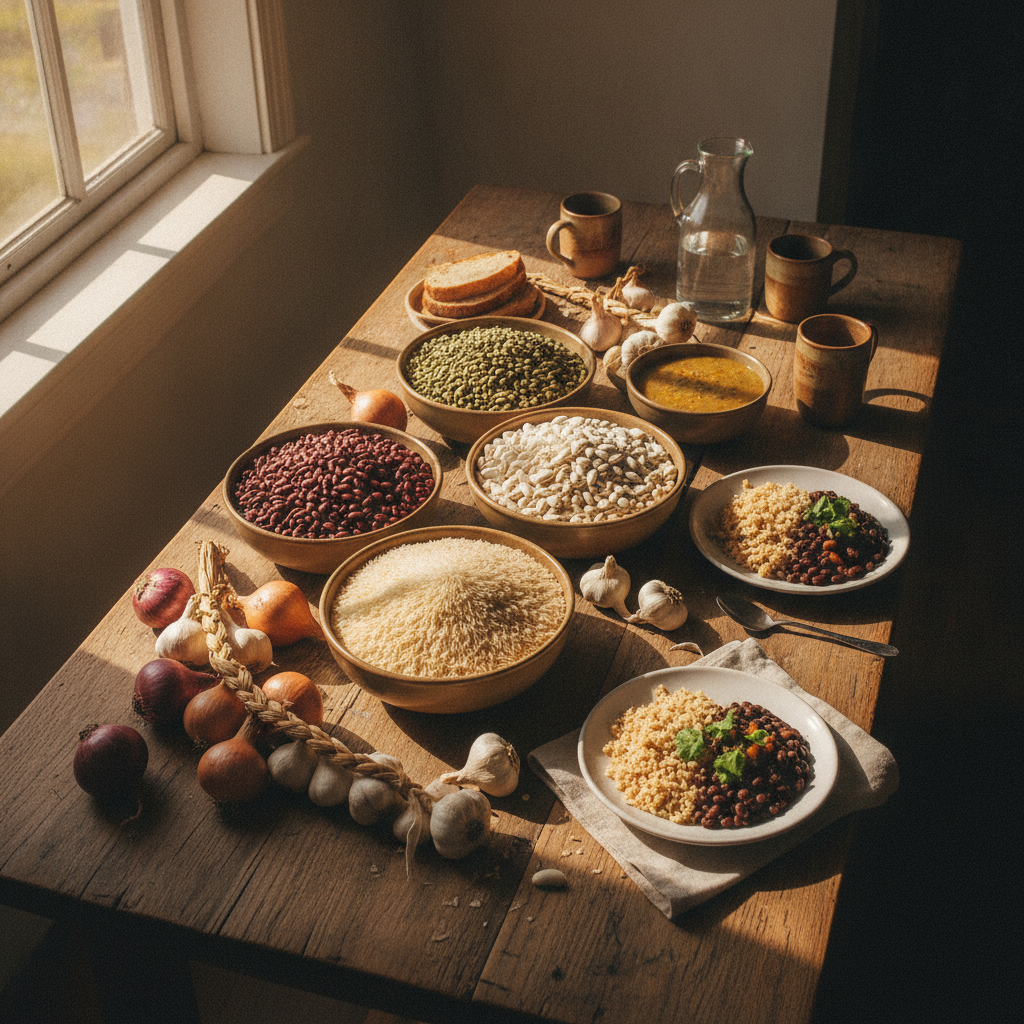
Refried beans, baked beans, and bean soups all taste noticeably better the next day. As the beans sit, they continue to release their starches into the cooking liquid, creating a naturally creamier, thicker consistency without any added cream. The seasonings also have more time to penetrate the beans fully, making the flavor more uniform and satisfying. Many Caribbean and Latin American cuisines intentionally prepare bean dishes a day ahead for this exact reason.
10. Coq au Vin: Wine Mellows and Integrates
This classic French braise of chicken in wine is specifically designed to taste better after sitting. The wine continues to mellow out as the chicken slowly absorbs its flavors and the alcohol cooks off more completely overnight. The pearl onions and mushrooms also release their flavors into the wine sauce, creating a more balanced and sophisticated taste. Professional French chefs almost always make coq au vin at least a day before serving.
11. Meatloaf or Meat Sauce: Binding and Melding
Ground meat dishes like meatloaf and meat sauce improve after a day of rest. The meat fibers continue to break down slightly, releasing fats and proteins that create a more cohesive texture when reheated. The breadcrumbs or other binders in meatloaf also continue to absorb moisture, creating a more unified, less crumbly texture. The flavors also meld more completely, making seasoning taste more integrated rather than added on top.
12. Jambalaya or Paella: Rice Absorbs and Transforms
One-pot rice dishes like jambalaya and paella actually taste better the next day because the rice continues to absorb the flavorful cooking liquid. Even though the rice was cooked initially, it continues a slow absorption process in the refrigerator, becoming more flavorful without turning mushy. The saffron, tomato, and seafood flavors also have time to fully permeate the rice grains, creating a more cohesive, restaurant-quality taste.
13. Lasagna or Baked Pasta: Sauce Seeps Into Layers
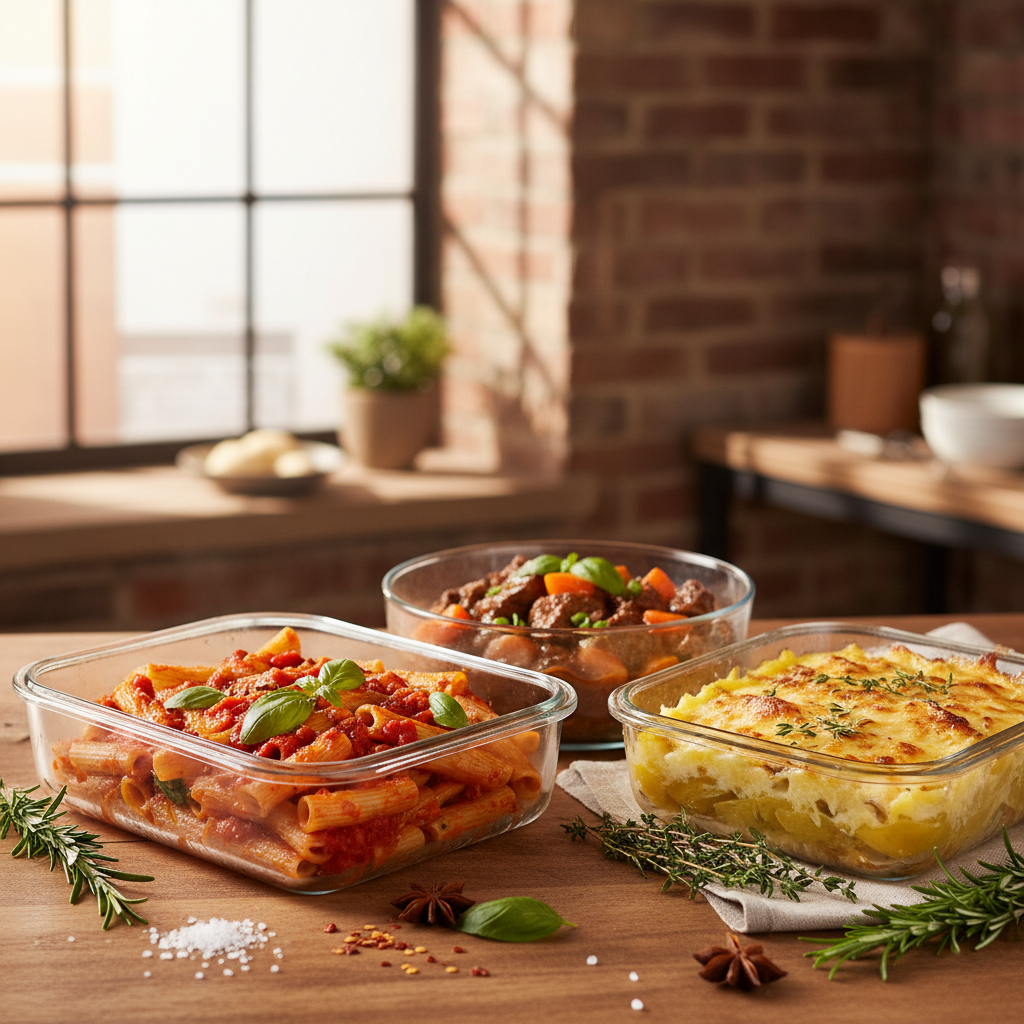
Lasagna is perhaps the ultimate next-day dish because the sauce continues to seep into the pasta layers and fill all the spaces, creating a more cohesive, integrated texture and flavor. The cheese also continues to meld with the sauce and pasta, creating a creamier, more luxurious mouthfeel. The flavors become more unified as the pasta absorbs the tomato and meat sauce flavors, making the whole dish taste more harmonious and less like distinct layers.
Why This Matters for Your Kitchen
Understanding which foods taste better the next day isn't just interesting trivia, it's practical kitchen wisdom. You can confidently make these dishes in advance for busy weeknights, spend less time cooking during the week, and actually enjoy more flavorful meals because you're giving ingredients time to do their thing. The science behind these improvements involves flavor infusion, chemical changes like protein breakdown, and the natural melding of seasonings. Next time you're wondering whether to eat something fresh or save it for later, remember this list and you'll make smarter choices that benefit both your taste buds and your schedule.
Have you experienced the next-day deliciousness phenomenon with any of these dishes? Share your favorite leftover transformations in the comments below, and let us know which meals you're planning to prepare in advance!