11 Foods You Should Never Reheat in the Microwave (And What to Use Instead)
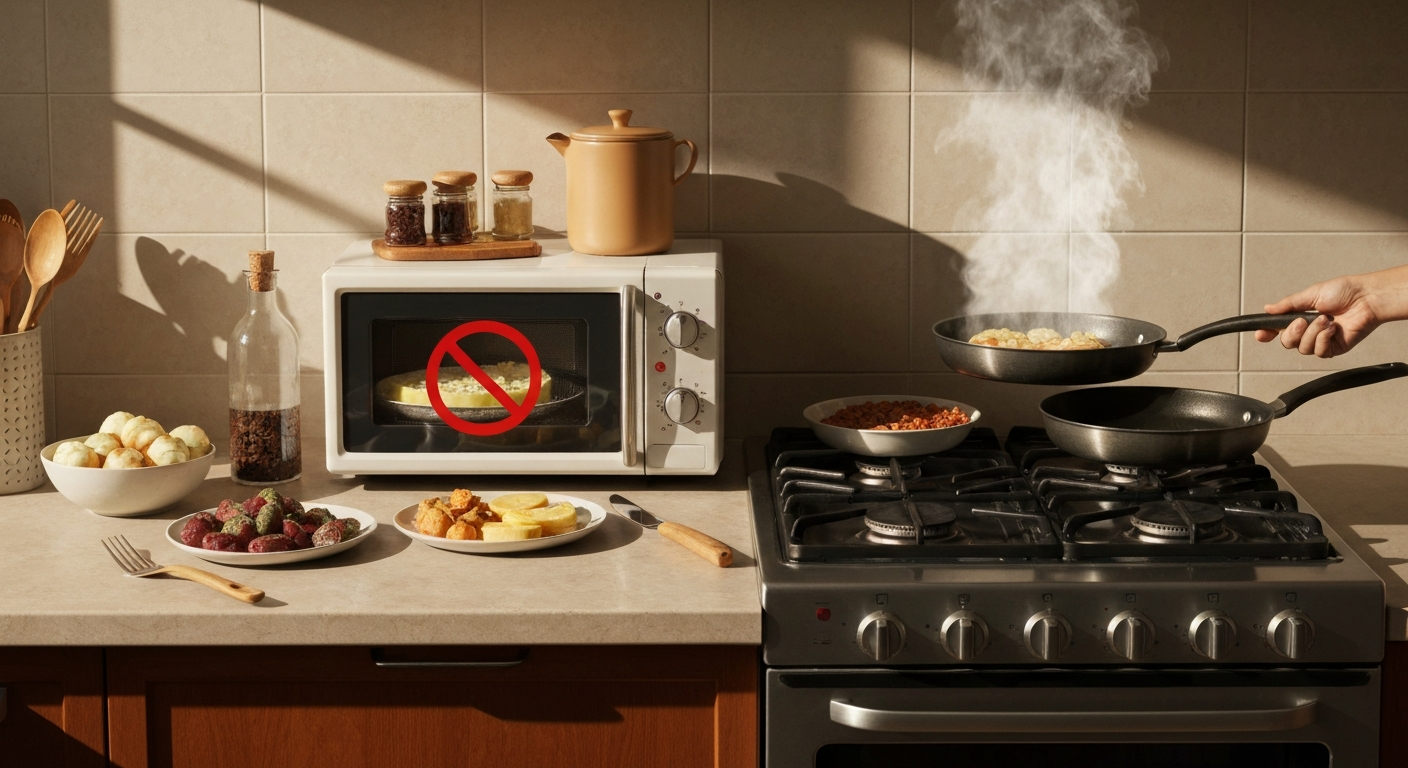
We've all been there: you've got leftover dinner, you're hungry, and the microwave seems like the quickest solution. But here's the thing - not every food was created equal when it comes to reheating methods. Some foods can actually become unsafe, others lose their texture entirely, and a few might even create a kitchen disaster waiting to happen. Understanding which foods should take the scenic route instead of the microwave express will transform your leftover game and actually save you time in the long run.
-
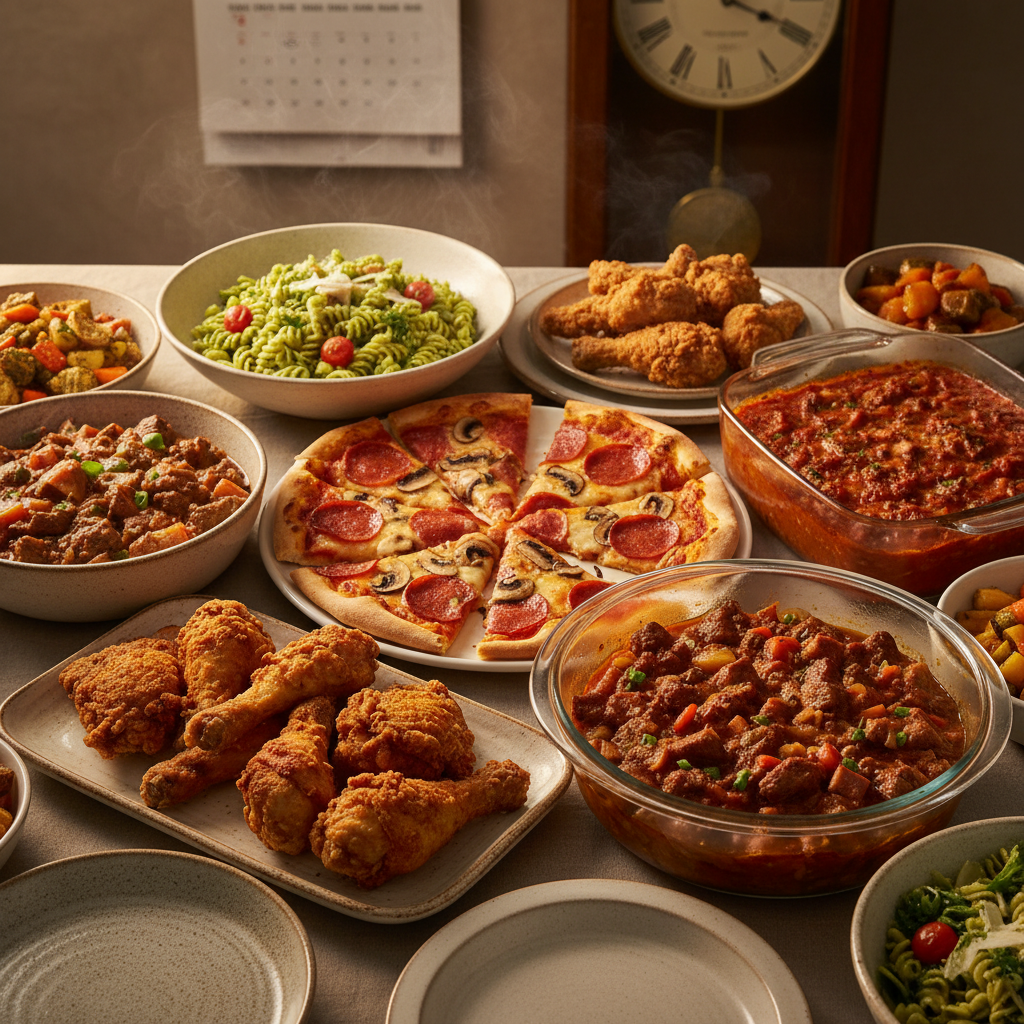
Fried Chicken or Breaded Foods
Microwaving fried chicken is basically asking it to transform into a soggy, rubbery mess. The breading loses all its crispy appeal and the chicken dries out faster than you can say "leftover." The microwave's moisture creates steam that breaks down the coating you worked hard for (or paid good money for at the restaurant).
Better option: Reheat in a 350-degree oven for about 15-20 minutes, or use an air fryer for 5-7 minutes. This restores the crispy exterior while keeping the meat juicy. If you're really in a rush, a skillet over medium heat works wonderfully too.
-
Pizza
The microwave and pizza are basically enemies. You'll end up with a rubbery crust, scorching hot cheese, and a cold center that somehow still manages to be both gummy and hard. The uneven heating destroys the delicate balance that makes pizza delicious in the first place.
Related: Feed Your Family for $45 a Month: Budget Dinner Recipes That Actually Work
Better option: Pop it in a 375-degree oven for 5-10 minutes, or use a toaster oven for even faster results. For maximum speed, try a skillet on the stovetop over medium heat for 3-4 minutes with a lid on top. Your taste buds will thank you.
-
Seafood
Fish, shrimp, and other seafood can turn into a smelly, rubbery disaster in the microwave. The proteins cook too quickly and unevenly, and worse, your entire kitchen will smell like a fish market had an accident. Even a few seconds too long and you've got overcooked seafood that's practically inedible.
Better option: Gently reheat in a 275-degree oven wrapped in foil, or use a skillet with a little butter and low heat. This preserves the delicate texture and keeps your kitchen from smelling like a dock.
-
Eggs and Egg-Based Dishes
Microwaving eggs is risky business. Hard boiled eggs can literally explode because steam builds up inside the shell. Scrambled eggs or omelets become tough and watery, losing their creamy appeal entirely. Even leftover quiches get these weird rubbery edges while staying cold in the middle.
Related: 25 Easy One-Pot Dinners That Actually Taste Amazing (And Won't Destroy Your Kitchen)
Better option: Reheat eggs gently on the stovetop over low heat with a splash of milk, or use a toaster oven at 325 degrees. For boiled eggs, run them under warm water instead of heating them at all. You'll get much better results.
-
Mushrooms
Mushrooms have a high water content that gets trapped as steam in the microwave, creating a slimy texture and sometimes making them slightly toxic when reheated this way. The enzyme composition in mushrooms changes when microwaved, breaking down cell walls and creating that unappetizing mush texture.
Better option: Reheat in a dry skillet over medium heat, or in a 350-degree oven. A quick stovetop reheat takes just a couple of minutes and keeps them firm and flavorful instead of mushy and sad.
-
Leafy Greens and Salads
Green salads in the microwave? That's basically creating a sad pile of warm, soggy leaves. The heat wilts everything immediately, the dressing separates into oil puddles, and you're left with something that resembles food but definitely doesn't taste like it.
Better option: Simply eat your salad cold, or if you must have a warm salad, toss the greens into a warm dish at the very last second off the heat. Warmed vegetables like spinach can be tossed with your greens for a warm-ish salad without the microwave disaster.
-
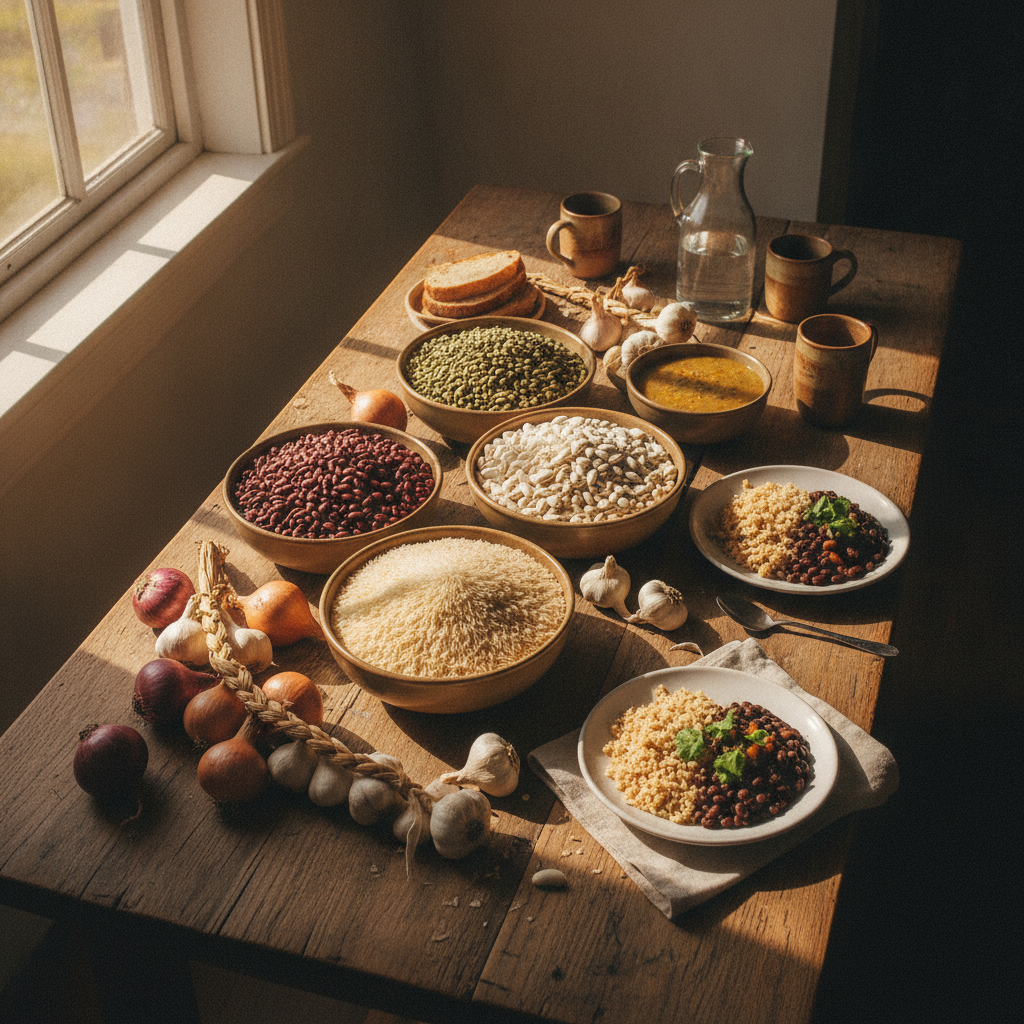
Leftover Rice and Grains
While rice can technically be reheated in the microwave, there's a hidden danger here. Leftover rice can harbor spores of Bacillus cereus bacteria, which can multiply rapidly when rice is left at room temperature. Microwaving might not get the rice hot enough throughout to kill these bacteria, and worse, it often dries out your rice completely.
Better option: Reheat on the stovetop with a splash of water over medium heat, stirring occasionally. Or try a rice cooker if you've got one. For maximum food safety, consume rice within one day of cooking and store it properly in the fridge.
-
Butter and Fats
Butter and oil can superheat in the microwave, reaching temperatures way hotter than their normal boiling point. This means they can suddenly splatter violently or even ignite, turning your reheating into a kitchen emergency. The invisible danger here makes butter especially tricky.
Better option: Melt butter on the stovetop over low heat, or let it sit at room temperature until soft. For oils, just use them directly from the bottle unless you need to warm them slightly, in which case use low stovetop heat or place the container in warm (not hot) water.
-
Whole Eggs in Their Shell
We touched on this briefly, but it deserves its own spotlight because the danger level is genuinely high. When you microwave a whole egg in its shell, the moisture inside turns to steam and pressure builds with nowhere to go. This creates a legitimate explosion risk that can damage your microwave and send hot egg pieces flying.
Better option: Room temperature eggs are great for eating fresh, or gently warm them in hot water (not boiling) for a few minutes. If you've got cold boiled eggs you want to warm slightly, peel them first and place them in warm water or reheat them gently in a skillet.
-
Onions and Garlic
When microwaved, onions and garlic become extremely hot on the outside while staying cool inside, plus they create that awful burnt smell throughout your microwave. The sulfur compounds in these aromatics intensify and concentrate in the microwave heat, making them unpleasantly pungent and potentially unsafe if they get too hot.
Better option: Sauté them quickly in a skillet over medium heat for a minute or two, or add them to a dish that's being reheated on the stovetop. They'll reheat evenly and taste much better, plus your microwave won't smell like a burnt vegetable factory.
-
Breaded Seafood like Fish Sticks or Shrimp Tempura
Similar to fried chicken, breaded seafood becomes a soggy, falling-apart disaster in the microwave. The coating absorbs moisture, separates from the fish, and loses any textural appeal it once had. You're left with something that looks like it already went through the digestive system.
Better option: Reheat in a 400-degree oven or toaster oven for 8-10 minutes, or use an air fryer for 5-6 minutes. Both methods restore the crispiness without drying out the delicate seafood inside.
The Bottom Line on Microwave Reheating
The microwave is definitely convenient, but it's not always your best friend in the kitchen. By understanding which foods should avoid the microwave altogether, you'll save yourself from rubbery textures, potential food safety issues, and that horrible burnt smell that lingers for days. Most of these alternatives take just a few extra minutes but deliver results that are worth the minimal effort. Your leftovers deserve better than microwave mediocrity, and honestly, so does your kitchen. Next time you reach for that reheating button, take a quick moment to consider if there's a better way. Your taste buds will absolutely notice the difference.
What's your biggest microwave reheating mistake? Drop a comment below and let us know which food item has disappointed you the most when microwaved. We'd love to hear your kitchen stories and maybe add a few more items to this list based on real reader experiences.