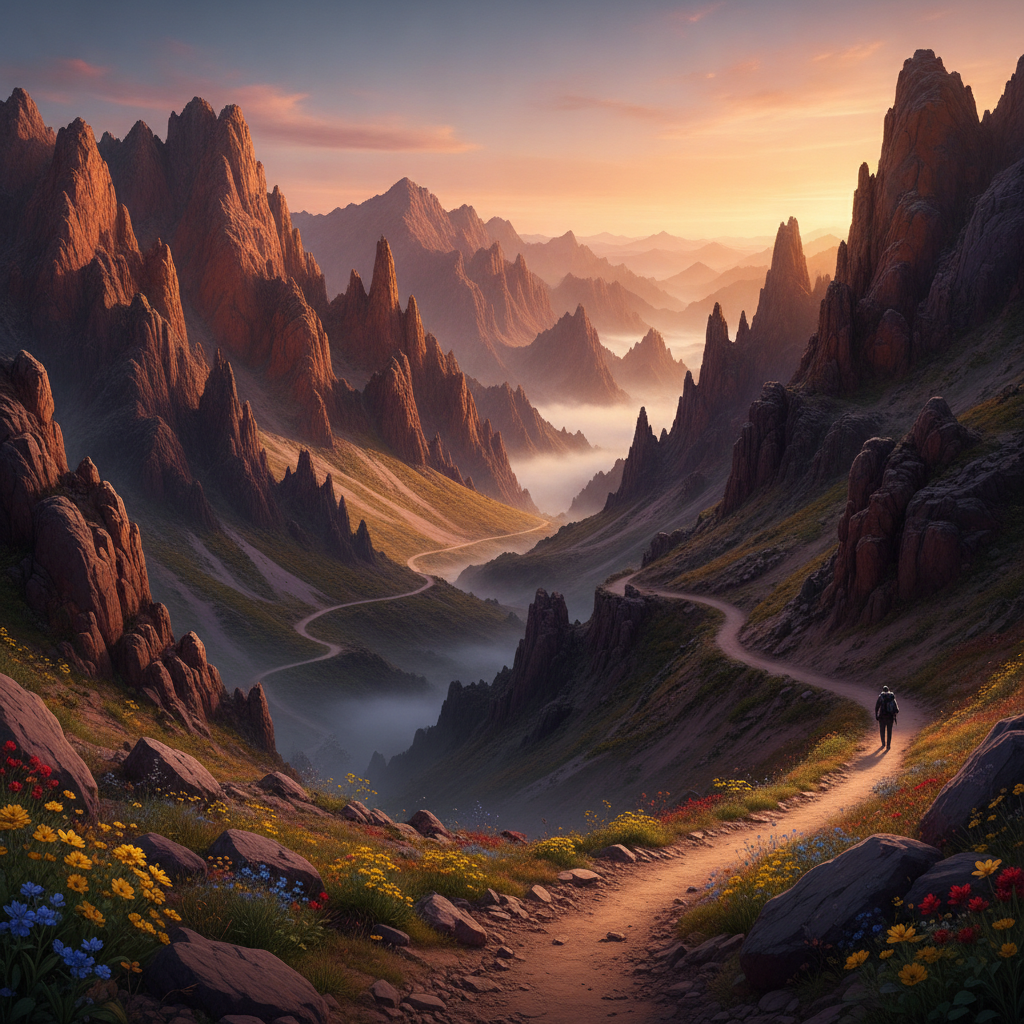
Why These Parks Get Overlooked (And Why That's Good for You)
Most people have a vision of the perfect national park vacation: crowded parking lots, long lines at scenic overlooks, and elbows bumping elbows at every trailhead. Sound familiar? Good news. While iconic destinations like Great Smoky Mountains National Park pull in massive crowds (it recorded 13,297,647 visits in 2023), entire networks of equally stunning parks sit quietly waiting for visitors willing to venture slightly off the beaten path. The National Park Service's more than 400 sites welcomed a record 331.9 million recreation visits in 2024 according to CNN, but that volume concentrates in just a handful of locations. The result: incredible landscapes with actual solitude.
The appeal of underrated parks goes beyond empty trails. These destinations often offer unique geological features, specialized ecosystems, and historical significance that rival their famous cousins, but with a fraction of the infrastructure and crowds. Whether you're drawn to dramatic peaks, pristine waters, or otherworldly deserts, the following parks deliver world-class experiences without the parking-lot headaches.
The Least Visited Parks in America
Let's start with the parks that see the fewest boots on the ground. Isle Royale National Park holds the distinction of being the least-visited national park in the lower 48 states, with an annual visitation of just 28,965 visitors. Located in Lake Superior and accessible only by boat or seaplane, Isle Royale feels genuinely remote. But remoteness equals opportunity. The park boasts 165 miles of trails and more than 30 campgrounds, making it a paradise for backpackers and anyone seeking genuine wilderness. Add this: the island has been home to a wolf-and-moose study running since 1958. That alone makes Isle Royale a living laboratory for ecological observation.
North Cascades National Park in Washington holds the second-lowest visitation in the lower 48, with approximately 40,351 visitors per year based on 2023 NPS data. Situated just about 2 hours from Seattle and known for stunning blue glacier-fed lakes, it receives only 0.5% of the visitors that Yellowstone or Yosemite get. That disparity is staggering. The park's proximity to a major metro area means accessibility without sacrifice.
Related: 14 Best Travel Apps That Actually Make Trips Better (Not Just Prettier)
Then there's Gates of the Arctic National Park, which operates on an entirely different scale of remoteness. Located entirely above the Arctic Circle in northern Alaska and the largest national park in the country, it receives only about 10,000 visitors per year on average, making it one of the least visited parks in the country. Reaching it requires serious planning and wilderness experience, but the payoff is untouched Arctic landscape.
Hidden Gems With Distinctive Geological Features
Great Sand Dunes National Park in southern Colorado contains the highest sand dunes in North America, rising 750 feet over the valley below. Yes, you read that right: the tallest sand dunes on the continent are in Colorado, not the Sahara. The park allows dogs even on the dunefield, making it one of few national parks with such pet-friendly access, so your furry friend can experience the dunes alongside you.
Death Valley offers a completely different flavor of extreme terrain. As the largest national park in the contiguous United States and known as the hottest place on the planet, it features Badwater Basin, the lowest point in the Western Hemisphere at nearly 300 feet below sea level. Standing in Death Valley means standing at geographic extremes that define the American landscape.
Black Canyon of the Gunnison National Park in Colorado features a canyon that measures 2,722 feet at its greatest depth, sculpted over two million years by the Gunnison River. That depth-to-width ratio creates some of the steepest cliffs and most dramatic vistas in the national park system. The canyon's architecture draws geologists and photographers year-round but rarely generates crowds.
Related: Carry-On Only Packing Tips: Master the Art of Traveling Light
The Volcanic and Celestial Parks
Lassen Volcanic National Park in California sits at the intersection of fire and ice. Lassen Peak last erupted in 1915, and the park features bubbling mud pots, steaming fumaroles, and hot springs that remind visitors this landscape remains active. You can hike past evidence of volcanic activity in ways few parks allow.
Great Basin National Park in eastern Nevada takes visitors to a completely different realm. Certified as an International Dark Sky Park, it's where most observers can see the Milky Way with the naked eye. The park is centered around Wheeler Peak, Nevada's tallest mountain at 13,065 feet, and features Nevada's lone glacier. Stargazing here transcends the casual glance at the night sky; the darkness reveals the cosmos in ways city dwellers rarely experience.
Desert Parks and Botanical Wonders
Saguaro National Park in Arizona has the highest concentration of saguaro cacti in the world. These massive columnar cacti define the Southwest visually, and seeing them in their densest concentration is a botanical pilgrimage worth making.
Canyonlands National Park in Utah has 1/5th the number of visitors as Yellowstone National Park, yet it encompasses extraordinary geological complexity. The park has four distinct sections: the Maze, Island in the Sky, Horseshoe Canyon, and the Needles. Each section offers different landscape character and hiking experiences, effectively providing four parks in one.
Alaska's Remote Treasures
Lake Clark National Park, located about 100 miles southwest of Anchorage by plane, recorded 22,755 visitors in 2017 and has no developed roads. Access is entirely by aircraft, which naturally limits visitation. That remoteness protects the landscape and creates an authentic frontier experience increasingly rare in the national park system.
Wrangell-St. Elias National Park and Preserve in Alaska is America's largest national park, encompassing 13.2 million acres. To put that in perspective, it's larger than most states. The sheer scale means nearly infinite room to explore without encountering another soul.
Unique Island and Territorial Parks
The National Park of American Samoa sits about 2,600 miles southwest of Hawaii and is spread over 3 islands. This tropical park offers a completely different ecosystem and cultural context than mainland parks, providing Pacific island landscapes within the national park system.
Comparison Table: Visitation and Access
| Park Name | Annual Visitors | Notable Feature | Access Level |
|---|---|---|---|
| Isle Royale | 28,965 | 165 miles of trails, wolf-moose study since 1958 | Boat or seaplane only |
| North Cascades | 40,351 | Blue glacier-fed lakes | 2 hours from Seattle |
| Lake Clark | 22,755 (2017) | No developed roads | Aircraft only |
| Gates of the Arctic | 10,000 | Largest US national park, entirely above Arctic Circle | Aircraft or hiking |
| Great Smoky Mountains | 13,297,647 | Most visited park | Road access |
The parks listed in this table reveal a clear pattern: visitation correlates directly with accessibility. Parks requiring aircraft access (Lake Clark, Gates of the Arctic) see fractions of the visitors that drive-to parks attract. But that barrier to entry becomes the reward. The effort required to reach these destinations ensures they remain wild in meaningful ways.
Planning Your Underrated Park Adventure
Choosing an underrated park starts with honest assessment of your adventure tolerance and available time. If you want dramatic terrain without full wilderness expedition training, North Cascades, Canyonlands, or Great Sand Dunes deliver stunning visuals with established infrastructure. If you're equipped for backcountry travel, Isle Royale or Gates of the Arctic offer frontier experiences increasingly impossible to find elsewhere.
The advantage of visiting these less-crowded destinations extends beyond personal comfort. Parks with lower visitation experience less environmental stress, allowing trails and ecosystems to recover between visitors. You're not just getting a better vacation; you're contributing to park conservation through your presence. That's a win worth planning for.