6 Airplane Etiquette Hills We're Willing to Die On (Brenda Song Edition)
Flying has become increasingly chaotic, and it's time we establish some ground rules that would make even Brenda Song proud. The actress and mom of two has been candid about her travel experiences, and honestly, her no-nonsense approach to airplane etiquette is something we can all learn from. Whether you're a frequent flyer or an occasional traveler, these six etiquette principles are non-negotiable and worth defending with the passion of someone who's had to share a middle seat one too many times.
-
The Armrest Is Not Your Personal Territory
Listen, whoever is sitting in the middle seat gets the armrests, period. This isn't a debate or a suggestion from the FAA, it's just basic human decency. When you're wedged between two people in a space smaller than a closet, those armrests are your lifeline, and claiming them shouldn't be a struggle. Window seat? You get the wall to lean on. Aisle seat? You have extra legroom and the privilege of avoiding the bathroom traffic.
-
Shoes Stay Firmly On Your Feet
The moment you remove your shoes and socks at 30,000 feet, you've crossed a line that affects everyone within a three-row radius. Bare feet on airplane seats are genuinely disturbing, especially when they end up near someone else's personal space or (shudder) dangling into the aisle. If your feet get uncomfortable, keep your socks on or bring a pair of clean slip-ons. Your fellow passengers will thank you, and frankly, your feet probably shouldn't be that exposed in recycled air anyway.
-
The Overhead Bin Has Size Limits (Seriously)
Those little metal frames at the gate aren't there for decoration; they actually measure whether your bag fits. Trying to cram a massive roller bag that clearly doesn't fit takes time from everyone behind you, and flight attendants have to deal with the fallout. Rolling your carry-on instead of hoisting a bag the size of a small child is also just more considerate and way less likely to give you a shoulder injury.
-
Your Seat Reclines, but Think Before You Lean
Just because your seat has a recline button doesn't mean you should use it immediately or aggressively. If you're going to recline on a short flight, do it gradually and be aware of the person behind you trying to use their tray table. On long international flights? Recline away, but maybe wait until after the beverage service. It's about reading the room and understanding that your comfort doesn't have to come at someone else's expense.
-
Headphones Are Your Best Friend (Use Them)
Watching videos, taking phone calls (yes, some people actually try this), or listening to music without headphones is pure chaos. The airplane cabin is already filled with engine noise, crying babies, and the occasional seat-kicker; adding your Netflix show at full volume is genuinely disrespectful. Invest in a decent pair of noise-canceling headphones, and you'll be doing yourself and everyone within earshot a massive favor.
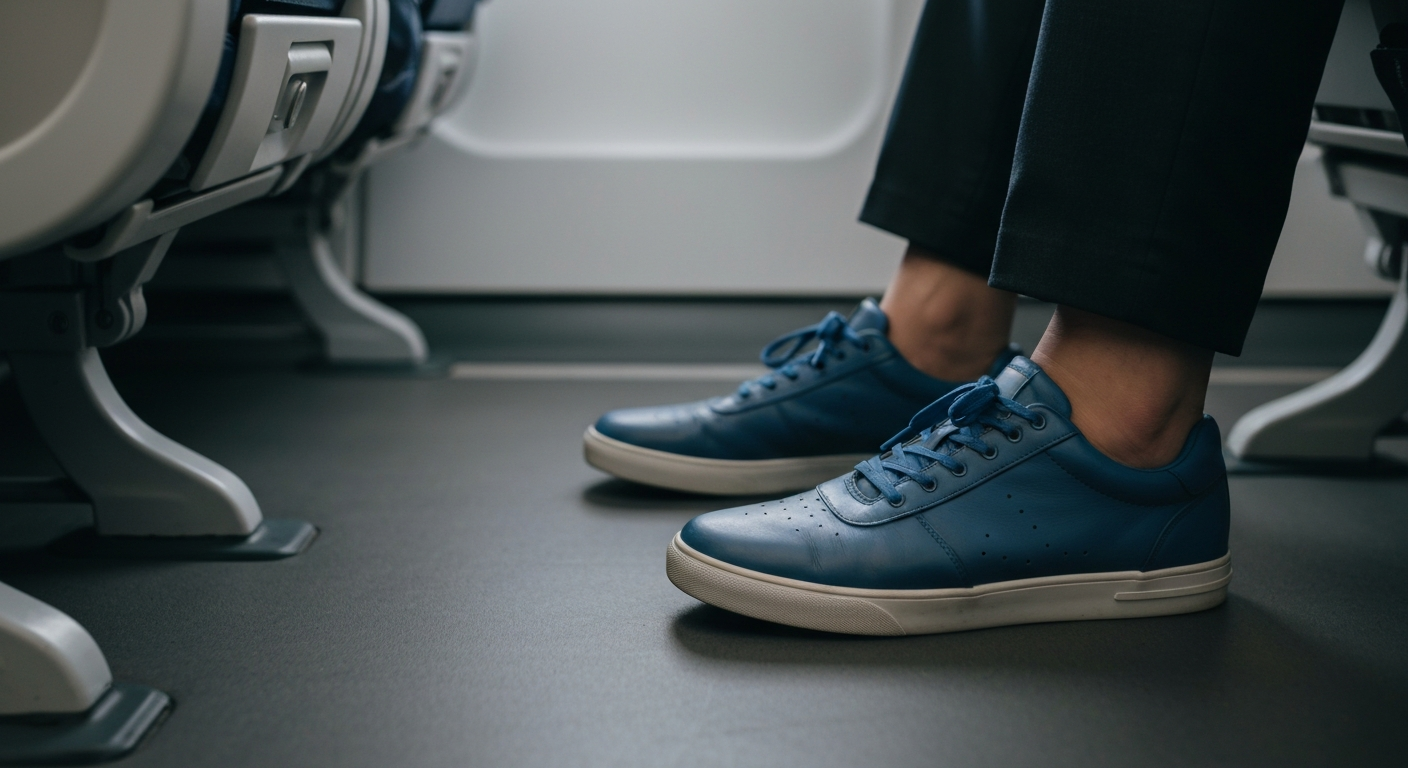
Image: GlobalFunReads -
Kicking Seats Should Result in Immediate Apologies
If your child (or you, no judgment) accidentally kicks the seat in front of you, acknowledge it and apologize. A simple "sorry about that" goes miles and prevents the simmering resentment that builds when someone's leg keeps jabbing into the back of your seat. Parents traveling with young kids should especially be vigilant about this one, as a few thoughtful gestures can prevent a five-hour flight from becoming awkward and tense.
-
Bathroom Lines Need Respect and Patience
When you need to use the airplane bathroom, do it efficiently and don't hover outside the door waiting. If the door opens and someone's still fixing their clothes or washing their hands, step back and give them a moment. Also, and this shouldn't need to be said but apparently does: aim carefully, flush properly, and wash your hands. The bathroom on a plane is already a mystery of biology and physics; let's not make it worse.
Related: 11 Underrated National Parks Worth Your Actual Vacation Time
-
Conversations Have Volume Limits
Having a neighbor who wants to chat can be nice, but not when they're practically yelling across the cabin to their travel companion four rows back. Keep conversations at a reasonable volume, and respect when someone puts on headphones or looks at their phone as a sign they're not interested in a full conversation. It's possible to be friendly without narrating your entire life story at a volume that disturbs people trying to work or sleep.
-
Board on Time and Know Your Zone
When your boarding zone is called, actually board instead of waiting until it's completely chaotic. Knowing your seat location ahead of time and having your boarding pass ready makes the process infinitely smoother for everyone. Those who take forever to get settled while holding up an entire line of people deserve a gentle but firm reminder that we're all on the same flight and we all want to take off eventually.
-
Perfume and Cologne Should Not Precede You
A light dab of cologne or perfume is fine, but arriving at the gate smelling like you bathed in an entire bottle of fragrance forces fellow passengers to either suffocate or breathe through their mouth for hours. People with sensitivities or allergies especially suffer in this situation, and it's completely avoidable. Fresh is good; overpowering is not. Show some restraint with the fragrance and save everyone's respiratory system.
-
Children Need Supervision, Not Entertainment Systems
It's understandable that parents need to keep kids occupied on planes, but there's a difference between reasonable screen time and letting your child watch videos at full volume while kicking seat backs and throwing food around. A little hands-on parenting during a flight (games, books, snacks) makes the experience better for everyone, including your own kid. Plus, kids who are engaged with a parent tend to behave better than those mindlessly staring at screens.
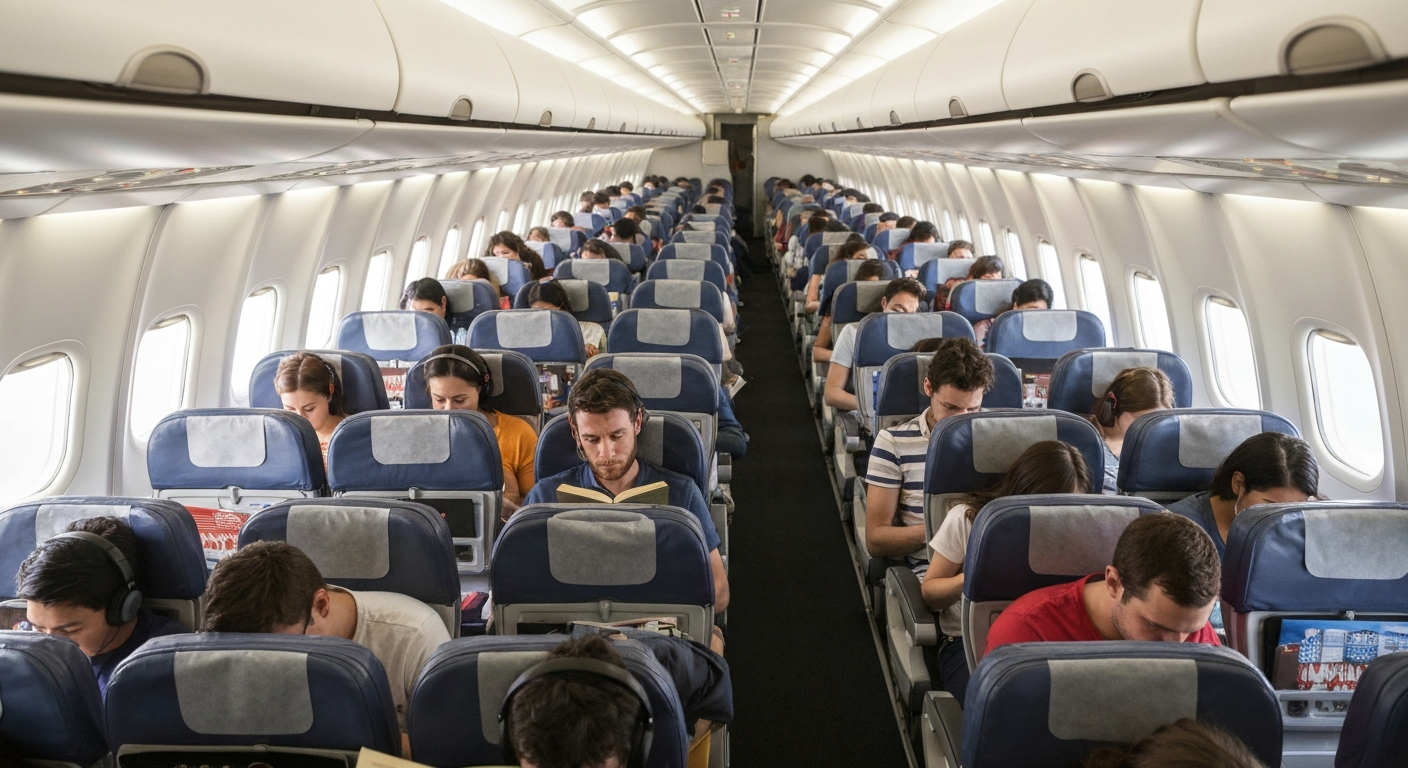
Image: GlobalFunReads -
The Tray Table Isn't Yours to Claim Forever
If you put down your tray table, use it for meals or actual work, then fold it up when you're done. Don't leave it down for the entire flight while you sleep, effectively claiming the space and preventing the person behind you from having any leg room. And if the flight attendant needs to get through with a beverage or meal cart, fold that tray table up immediately without making them ask twice.
-
Respect the Quiet Hours on Long Flights
On red-eye or international flights, there's usually an understood quiet period where people are trying to sleep. Save your conversations for daytime flights, and if you must move around, do it without slamming overhead bins or playing with seat controls repeatedly. Night flights are basically a temporary agreement to respect each other's sleep, and breaking that agreement is basically a declaration of war.
-
Germs Are Real, So Cover Your Cough
Airplanes are basically flying petri dishes, and coughing directly into the recycled air without covering your mouth is genuinely inconsiderate and potentially harmful. Use your elbow, not your hand, and if you're actively sick, wearing a mask is a nice gesture that shows you care about your fellow passengers. A little consideration about hygiene goes a long way when you're stuck in a sealed cabin with hundreds of people.
-
Exit Row Seats Come With Actual Responsibilities
If you're sitting in an exit row, you've agreed to be alert and helpful in case of emergency. Don't fall asleep immediately, keep your area clear, and actually listen when the flight attendant explains the procedures. You wanted that extra legroom, which is great, but it comes with the responsibility of being mentally present and ready to help if something goes wrong. It's a fair trade-off that too many people ignore.
-
Say Thank You to Flight Attendants (Seriously)
Flight attendants deal with so much nonsense on a daily basis, and a simple "thank you" when they deliver your drink or clear your tray costs literally nothing and means everything. They're not your servants; they're trained safety professionals doing a job that often involves dealing with difficult people in a confined space. A little gratitude and respect toward the people keeping you safe in the sky is just basic human decency that makes everyone's flight better.
At the end of the day, airplane etiquette is just about treating other people the way you'd want to be treated when you're stuck in a metal tube at 35,000 feet. These hills might seem small, but they're worth defending because they make the flying experience more bearable for everyone involved. So the next time you're boarding a flight, channel your inner Brenda Song, think about your fellow passengers, and commit to being the kind of traveler that makes flying slightly less miserable for everyone. Your future seatmate will thank you, even if they never say it out loud.