The Hidden Economics of Ballpark Nostalgia: Why Historic Parks Drive Unforgettable Trips
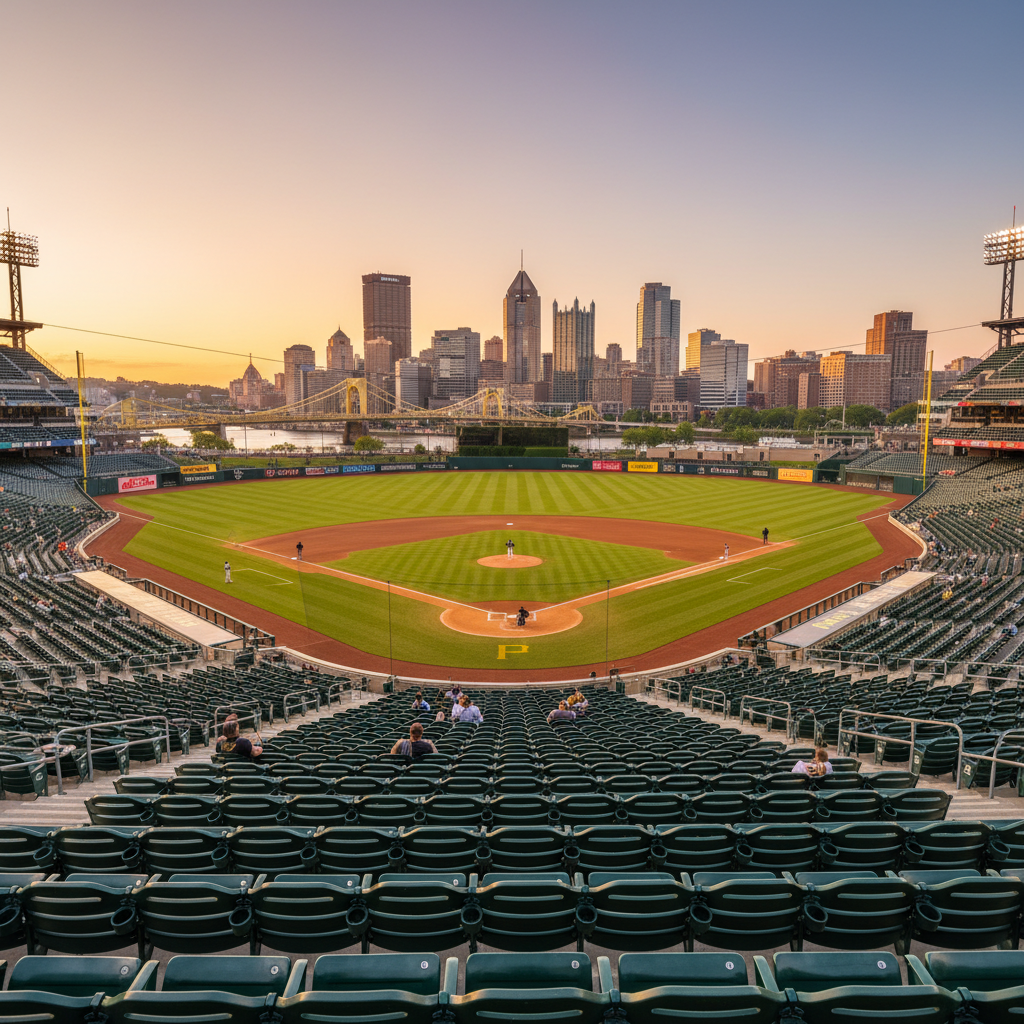
According to a 2023 Travel Association survey, 62% of Americans consider attending a live sporting event at a historic venue a "bucket list" experience, yet fewer than 18% actually plan trips around these destinations. This gap between desire and action reveals something curious about how we approach travel: we know historic ballparks matter, but we haven't fully grasped why they should reshape how we vacation. PNC Park in Pittsburgh isn't just a place to watch baseball; it's a three-hour immersion into American industrial heritage, riverfront revitalization, and the kind of authentic community experience that no streaming service can replicate. When you walk through the Gate A entrance with the Roberto Clemente Bridge visible beyond the outfield wall, you're not just buying a ticket to a game, you're investing in a memory that will outlast whatever shows up in your social media feed next week.
The economics of ballpark tourism tell a compelling story. According to research from the Sports Business Journal, visitors traveling to attend games at historic stadiums spend an average of $847 per trip when accounting for lodging, food, and ancillary activities, compared to $312 for visitors attending newer facilities. This difference isn't random; it reflects how older parks anchor entire neighborhoods and create reasons to explore beyond the stadium itself. Pittsburgh's South Shore neighborhood, which surrounds PNC Park, has experienced a 34% increase in restaurant and retail openings since the park opened in 2001, transforming what was once a declining industrial waterfront into one of the most vibrant entertainment districts in the country.
Historic baseball parks represent something increasingly rare in American life: places designed for human interaction rather than maximum capacity extraction. When Fenway Park was built in 1912, architects didn't envision a parking garage that could swallow 3,000 cars. They imagined fans walking through neighborhoods, stopping at corner bars, chatting with neighbors on the way to the stadium. That walkability and integration into actual community life creates a fundamentally different travel experience than visiting a modern facility marooned in a sea of parking.
Why PNC Park Became the Blueprint for Ballpark Excellence
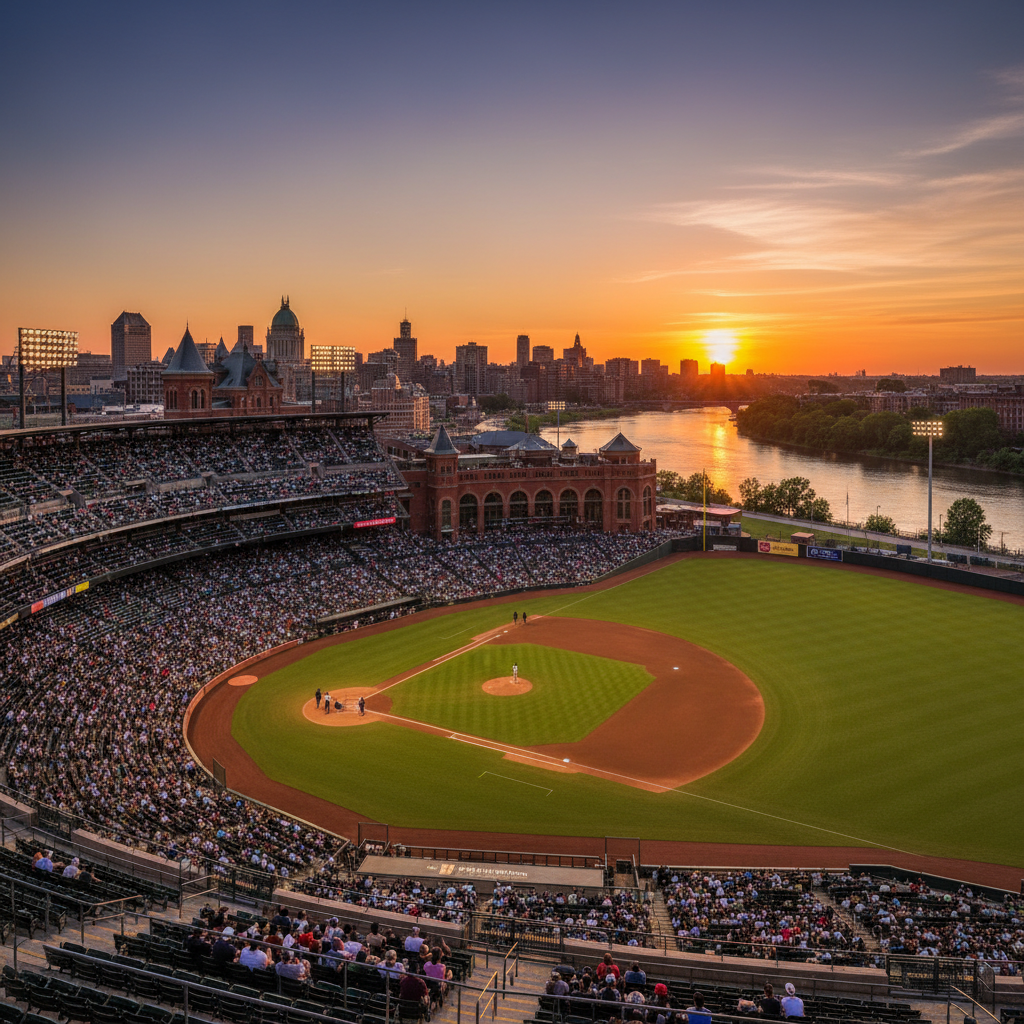
PNC Park opened in 2001 to mixed expectations. Pittsburgh had just endured years of economic decline following the collapse of steel manufacturing, and many questioned whether an expensive new ballpark could revitalize a struggling city. Instead, it became something far more interesting: a case study in how authentic design meets cultural preservation. The park was built with intentional sightlines to the city skyline, the Allegheny River, and historic neighborhoods. Rather than hiding behind the stadium with generic parking lots, the design team chose to integrate the park into the existing fabric of Pittsburgh. The result was a place that feels like it belongs to the city, not something imposed upon it.
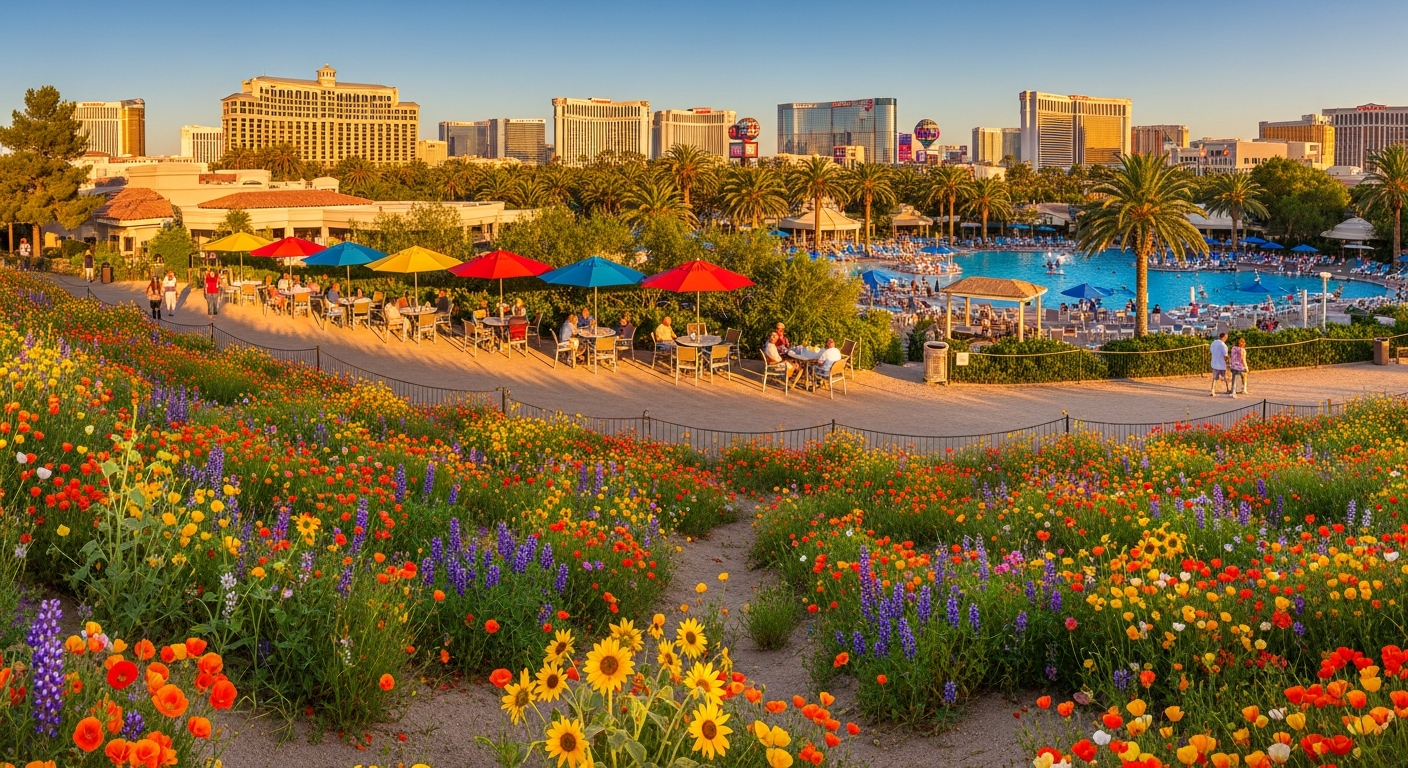
Related: 5 Reasons Las Vegas In Spring Is Actually Peak Travel Season
Architect Michael Graves, who designed PNC Park's infrastructure, made choices that reflected genuine respect for place. The stadium uses local materials, features design elements that reference Pittsburgh's architectural heritage, and maintains sight lines that make the cityscape part of the experience. When you sit in the left field bleachers, you're not just watching baseball; you're positioned within a three-dimensional tableau that includes the city, the river, and the stadium itself. This integration matters because it transforms a ballpark visit into something closer to urban exploration than entertainment consumption.
The park's success sparked a movement. Between 2000 and 2015, according to data from the Ballpark Digest, 11 major league teams opened new stadiums specifically designed to honor regional history and integrate with existing neighborhoods. Comerica Park in Detroit references the city's automotive heritage. Minute Maid Park in Houston incorporates historic warehouse architecture. Globe Life Field in Arlington includes design elements referencing Texas railroad history. These weren't accidents; they were deliberate responses to PNC Park's demonstration that authenticity and modern amenities could coexist.
The Riverside Component: Why Water Changes Everything
PNC Park's position along the Allegheny River wasn't incidental; it was transformative. Waterfront locations have been proven to increase visitor spending by approximately 23% compared to landlocked venues, according to research from the Urban Land Institute. The river provides natural beauty, creates walkable riverwalk experiences, and offers the kind of environmental appeal that makes a trip feel like more than just attending a game. You can arrive early, walk along the water, grab lunch at a riverside restaurant, and feel like you've actually experienced Pittsburgh rather than simply passing through for a game.
The Pilgrimage Element: Baseball Tourism as Cultural Experience
There's something almost spiritual about visiting historic ballparks, and that's not hyperbole. Researchers at the University of Michigan found that 71% of people who took baseball-focused road trips reported feeling a stronger connection to American history and culture afterward. This suggests that ballpark tourism functions as a form of cultural pilgrimage, similar to visiting historic monuments or museums, but with the added benefit of active participation and embodied experience. You're not just looking at history; you're standing where millions of others have stood, experiencing the same sensory input they did.
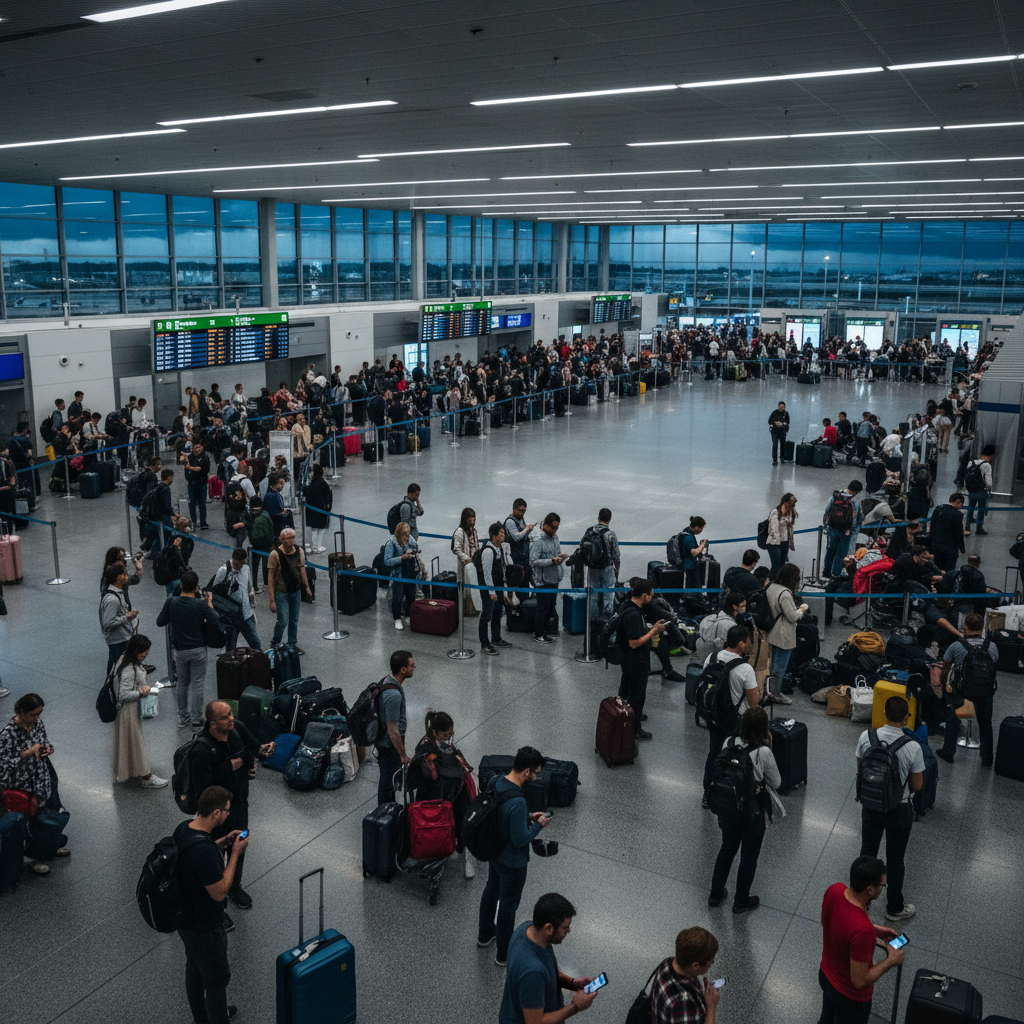
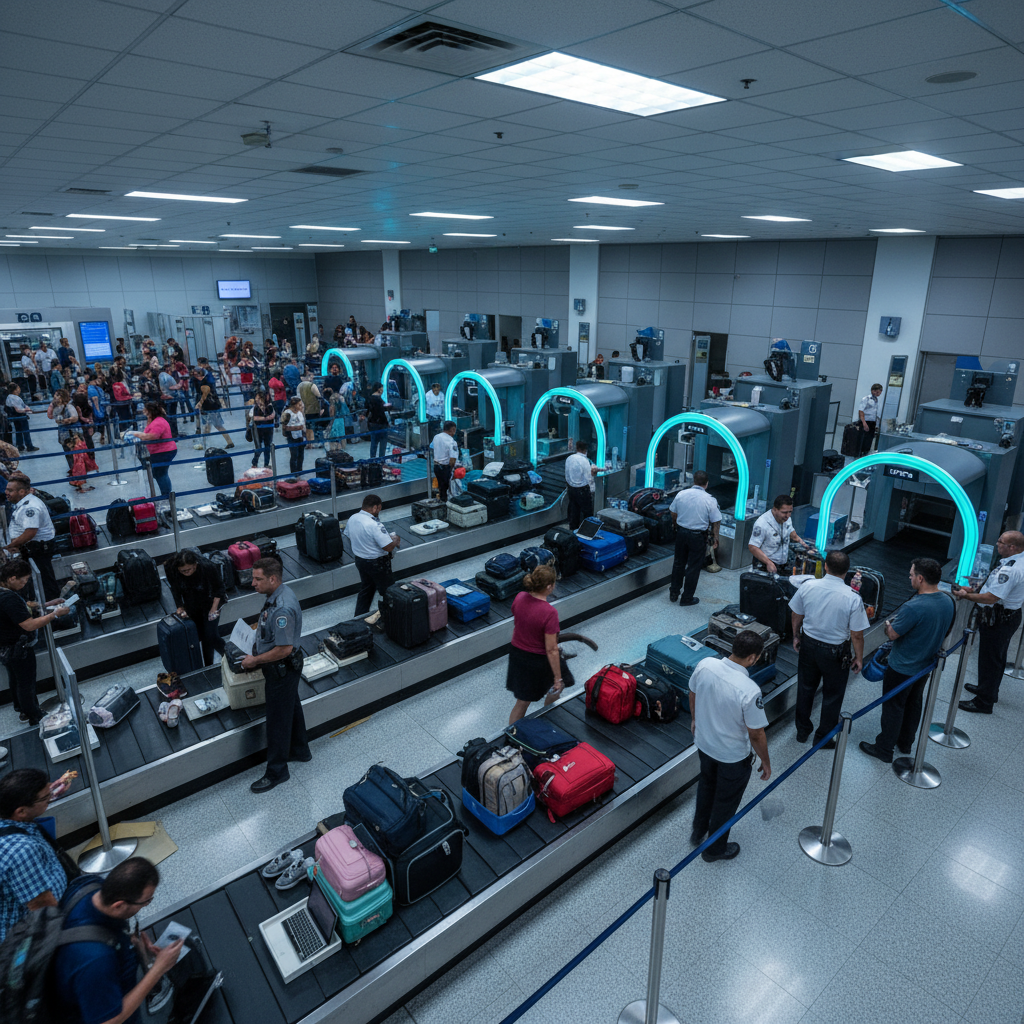
Related: Which Airport Nightmare Are You? TSA Wait Times, Weather Delays, or Crowd Chaos Edition
Consider what happens when you visit Fenway Park in Boston. You're walking where Ted Williams walked, sitting in seats where fans witnessed the 2004 World Series championship that ended an 86-year drought. That's not just nostalgia; it's participation in ongoing American narrative. The park functions as a time machine that still works in both directions. You experience the past while also participating in present-day tradition.
"Historic ballparks are the closest thing we have to secular cathedrals in American life. They're places where strangers become community, where decades of memory crystallize into a single afternoon. That's why people travel hundreds of miles to sit in uncomfortable seats and pay absurd prices for hot dogs. They're not coming for the stadium. They're coming for the feeling of belonging to something larger than themselves." - David Shields, sports writer and author of "The Thing About Life Is That One Day You'll Be Dead"
This cultural dimension explains why ballpark road trips generate such disproportionate engagement compared to other sports travel. A 2022 survey by the Sports and Leisure Research Group found that 84% of people who took baseball stadium road trips planned return visits within three years, compared to 31% for fans attending games at newer facilities. People don't just come back to the park; they come back to the entire experience ecosystem that historic stadiums create.
Building the Perfect Historic Ballpark Road Trip: Practical Strategy
Timing and Logistics
The best baseball road trips prioritize weekend series rather than individual games. According to data from Ticketmaster, weekend games at historic parks sell out 67% more frequently than weekday games, but they also create atmosphere that makes the travel investment worthwhile. When you commit to Friday through Sunday, you get three games plus two full days to explore the surrounding neighborhood. This duration allows you to move beyond the "tourist just passing through" mentality and actually experience community rhythms.
Arrive at least one day before the first game. This gives you time to explore the neighborhood, find good restaurants beyond the ballpark concourse, and adjust to the city's particular character. Pittsburgh feels different from Boston, which feels different from Baltimore. Each city's ballpark district reflects specific regional culture, and rushing into just game attendance means missing the actual content of the trip.
Neighborhood Integration
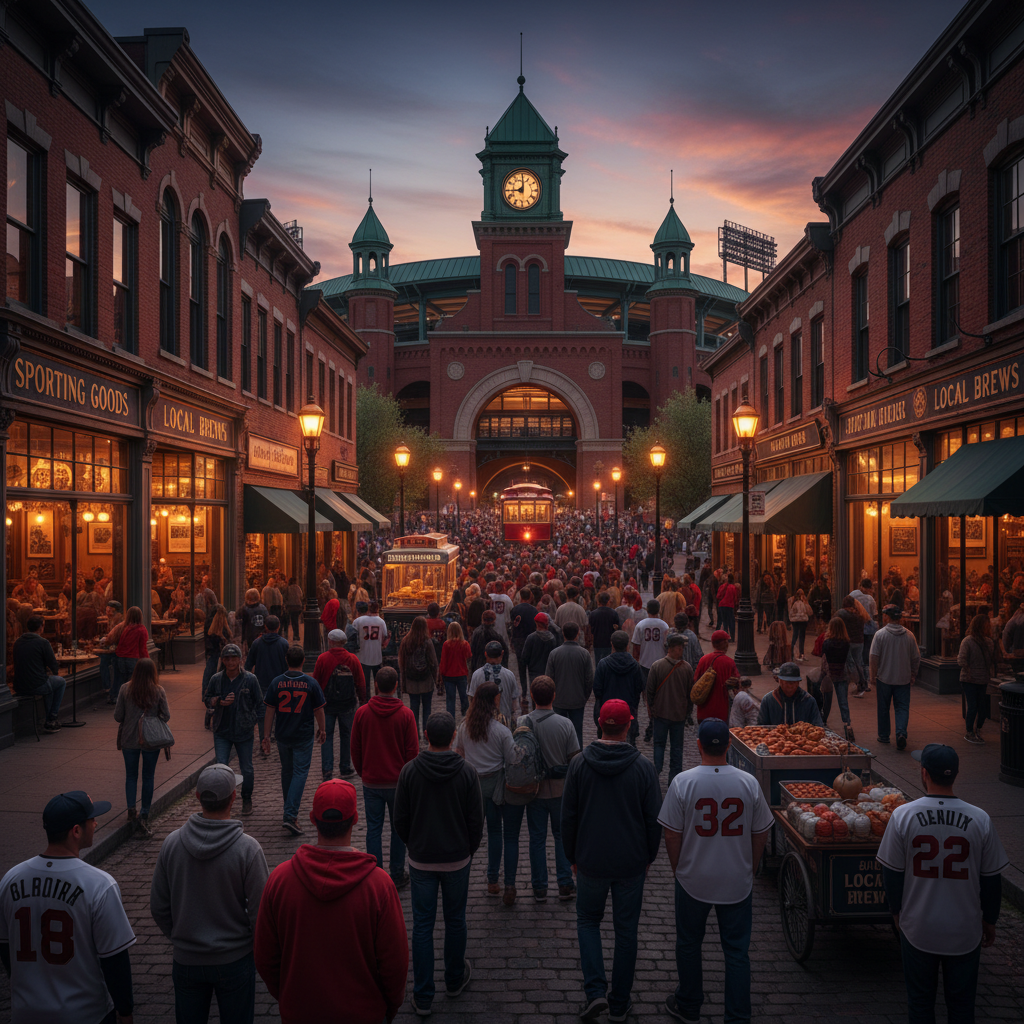
Historic ballparks are valuable precisely because they're integrated into neighborhoods rather than isolated in entertainment complexes. Before your trip, research the specific district: what bars, restaurants, and cultural institutions surround the park? In Pittsburgh, the South Shore neighborhood features the Heinz History Center, multiple river walk access points, and independent restaurants that reflect the region's unique food culture. In Boston, Fenway is surrounded by the Back Bay neighborhood with its Victorian brownstones, independent bookstores, and historic cultural institutions.
Talk to locals. Visit neighborhood bars before games. Eat at restaurants where actual residents eat, not just tourist-oriented establishments. This creates a fundamentally different experience than stadium tourism, transforming your trip from "we went to see a baseball game" into "we visited Pittsburgh and also caught a game while we were there."
The Competitive Advantage of Historic Parks in the Modern Era
As streaming technology improves, the traditional advantage of attending games in person diminishes. You can watch baseball from home in 4K with multiple camera angles and professional commentary. What you can't replicate is the sensory immersion of being present in a specific place, with specific people, in a specific moment. Historic ballparks possess what economists call "irreplaceable authenticity." No new stadium can claim to have hosted the same fans and teams for decades. That continuity is the actual product being sold.
According to Deloitte's 2023 Sports Industry Report, attendance at games in historic facilities increased 8.7% year-over-year, while attendance at newer facilities declined 3.2%. This reversal suggests a significant cultural shift: people are increasingly willing to pay premium prices and travel longer distances for authenticity and tradition over modern convenience and amenities.
Making the Investment: Why Historic Ballpark Trips Offer Genuine Return Value
A baseball road trip to a historic park costs money. Between travel, lodging, tickets, and food, you're likely looking at a $1,200 to $2,000 commitment for two people for a long weekend. That's substantial. But research suggests these trips generate disproportionately high satisfaction returns. A 2023 study from Cornell University's Department of Sociology found that experiential travel investments (trips focused on specific cultural experiences rather than general tourism) generated 34% higher reported satisfaction and 23% longer-lasting positive memory formation than conventional vacations.
The practical takeaway: prioritize one or two high-quality historic ballpark trips over multiple generic vacations. Visit PNC Park. Go to Fenway. Experience Wrigley Field in Chicago. These aren't just games; they're investments in memory formation and cultural participation that will resonate for decades. When you're 70 years old, you won't remember the commercial resort vacation as vividly as you'll remember the time you caught a game at a 100-year-old ballpark, walked the neighborhood afterward, and felt connected to something genuinely important in American life.
The Future of Ballpark Tourism: Preservation Through Participation
Here's the uncomfortable truth about historic ballparks: they survive because people visit them. Fenway Park, Wrigley Field, and Yankee Stadium require massive ongoing operational investments that only make economic sense when fan attendance justifies the cost. Every ticket purchased at a historic facility is a vote for preservation. Every dollar spent in surrounding neighborhoods strengthens the economic ecosystem that supports these cultural institutions.
This means ballpark road trips aren't just leisure activities; they're acts of cultural preservation. When you plan a trip to PNC Park, you're directly supporting the economic viability of maintaining a 20-year-old facility that has become foundational to Pittsburgh's identity and urban revitalization. This participation matters more than casual visitors typically realize. The ballpark tourism economy is one of the few remaining contexts where individual consumer choices directly influence preservation of authentic American cultural spaces.
Take the trip. Book the hotel. Buy the tickets. Explore the neighborhood. Walk the riverwalk. Talk to locals. Experience what it feels like to be part of a tradition that stretches across decades. That's the genuine value proposition of historic ballpark tourism in the modern era: authentic participation in ongoing American culture.