Solar-Powered Smart Clothes Could Track Your Health 24/7: Here's How It Works
Imagine wearing a shirt that never needs charging, constantly monitors your heart rate, and tells you when you're about to get sick. Sound like science fiction? Solar-powered smart clothes are rapidly becoming reality, and they could revolutionize how we approach personal health monitoring. Unlike traditional fitness trackers that drain batteries faster than you can say "forgot to charge it," these innovative garments harness the power of the sun to keep working around the clock.
The Tech Behind Solar-Smart Clothing
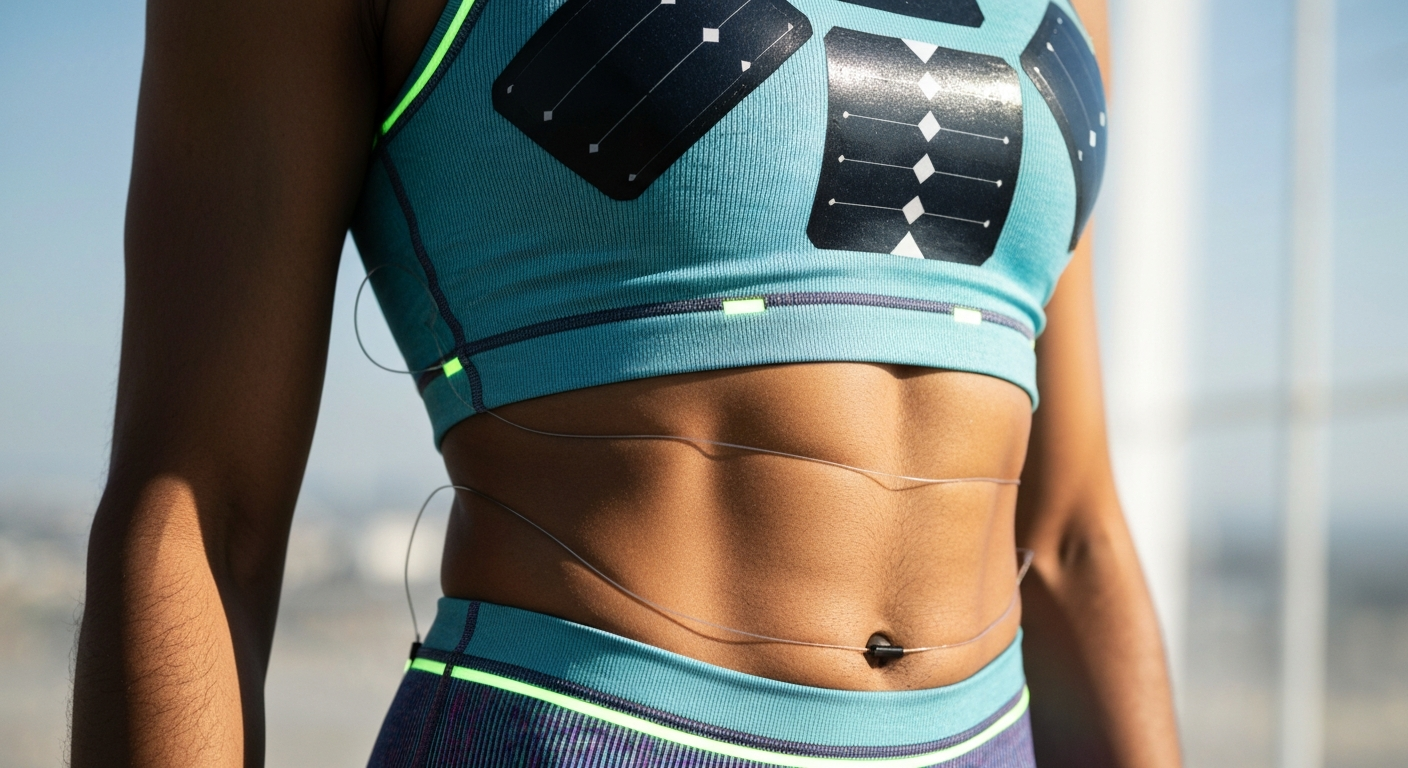
At its core, solar-powered smart clothing integrates flexible photovoltaic cells directly into fabrics. These ultra-thin solar panels are woven into garments so seamlessly that they feel like wearing regular clothes. The technology uses organic photovoltaic cells, which are more flexible and lighter than traditional silicon panels. This means you're not dealing with stiff, uncomfortable fabric that feels like wearing a robot. Instead, imagine garments with the comfort level of normal clothing that just happen to generate electricity while you move through your day.
The real innovation lies in how researchers have cracked the code of embedding these cells without compromising wearability. Companies like MIT and various startups have developed techniques to integrate solar technology into materials like cotton, polyester, and even stretchy fabrics used in athletic wear. The cells are typically layered between or within textile fibers, making them virtually invisible to the naked eye. When sunlight hits the fabric, it's converted into electrical current that powers integrated sensors and wireless transmitters.
What Health Data Can These Clothes Actually Track?
Solar-smart clothing can monitor an impressive array of biometric data. Heart rate, body temperature, respiration rate, and sleep patterns are just the beginning. Some advanced versions can track muscle activity, detect irregular heartbeats, and even monitor hydration levels through sweat composition. Think of it as having a personal health observatory wrapped around your body 24/7. The sensors embedded in these garments collect data continuously, providing a far more complete picture of your health than a fitness tracker you wear for two hours before taking it off.
Related: 15 No-Equipment Workouts You Can Do in Your Apartment (No Gym Membership Required)
One particularly exciting application involves early disease detection. Research has shown that solar-smart shirts could potentially identify infections or health issues before symptoms become apparent. By monitoring subtle changes in body temperature, heart rate variability, and other markers, these garments could alert you to potential problems days or even weeks before you'd typically notice symptoms. For people with chronic conditions like diabetes or heart disease, this kind of continuous monitoring could be genuinely life-changing.
The Power Game: How Solar Charging Actually Works on Clothes
The amount of power generated depends on several factors: fabric color, sunlight intensity, and how much of your body is exposed to sunlight. A black solar shirt generates more power than a white one, for obvious reasons, but researchers are working on solutions that keep clothes in various colors while maximizing solar efficiency. On a sunny day, a typical solar-smart garment can generate between 1 to 5 watts of power, which is sufficient to continuously power low-energy sensors and wireless transmitters.
Here's where it gets clever: these clothes don't need to generate massive amounts of power because modern sensors are incredibly energy-efficient. A heart rate monitor requires just milliwatts to operate. The integrated circuits that process and transmit data have become so sophisticated that they consume minimal electricity. In many prototypes, solar-powered clothes generate more than enough energy to keep working even on cloudy days, though output drops to around 25 to 30 percent of sunny-day levels. The system often includes tiny batteries that store excess power, creating a sustainable energy cycle throughout the day.
Real-World Applications That Could Change Everything
Consider athletes training in professional sports. Solar-smart clothing could provide coaches with real-time biometric data without the athlete carrying multiple devices or dealing with battery issues. Long-distance runners could get continuous feedback on heart rate zones, oxygen saturation, and muscle stress, all powered by the sun beating down on their clothes. Similarly, elderly people living independently could wear these garments as a safety net, with automatic alerts sent to family members or healthcare providers if concerning changes in their vitals occur.
Related: 15 Desk Stretches You Can Do Without Leaving Your Chair: Perfect for Office Workers
The technology could be particularly transformative in developing countries and remote areas where access to electricity is limited. Healthcare workers could monitor patients' vital signs continuously without relying on a consistent power supply. Pregnant women in regions without reliable medical infrastructure could have constant fetal and maternal monitoring. Soldiers and emergency responders could wear solar-smart uniforms that track health and location simultaneously. The possibilities extend far beyond personal fitness into genuine healthcare delivery infrastructure.
Challenges That Still Need Solving
Despite the exciting potential, several obstacles remain before solar-smart clothes hit mainstream markets. Durability is one concern: these garments need to withstand washing, stretching, and regular wear without the solar cells degrading. Researchers are still working on protective coatings that keep the photovoltaic elements safe while maintaining comfort and flexibility. Data privacy and security present another hurdle. Continuous health monitoring generates enormous amounts of sensitive personal information, and ensuring this data stays secure requires robust encryption and strict protocols.
Cost remains a significant barrier. Current prototypes can run hundreds to thousands of dollars, making them inaccessible to average consumers. However, as manufacturing scales up and technology matures, prices are expected to drop substantially. The fashion industry's adoption will also play a crucial role. If major clothing manufacturers start integrating this technology into their designs, economies of scale could make solar-smart clothes affordable for the average person within five to ten years.
Looking Forward: When Will This Be Real for Everyone?
We're honestly closer than many people realize. Several companies have already produced limited runs of solar-smart clothing prototypes, and the feedback has been surprisingly positive. Fashion forward startups are exploring collaborations with traditional clothing brands to bring these garments to market within the next few years. Major sportswear manufacturers are quietly investing in the technology, recognizing the potential for a completely new product category.
The convergence of wearable technology, sustainable energy, and health consciousness means solar-powered smart clothes represent more than just a gadget. They're part of a larger shift toward continuous health monitoring and preventative medicine. As these garments become cheaper and more comfortable, they could fundamentally change how we understand and manage our health. Instead of waiting until something feels wrong, we'll have objective data about our bodies available every single day, powered by nothing more than sunlight.
The future of health monitoring isn't about more devices in our pockets. It's about integrating technology so seamlessly into our daily lives that wearing it becomes as natural as putting on clothes.