The Ultimate Room-by-Room Home Decluttering Guide That Actually Works
If you're drowning in stuff but dreading the thought of decluttering, you're not alone. The average American home now contains over 300,000 items, according to research organization The Rational Animal, and most of us struggle with the emotional and practical burden that comes with excess possessions. But here's the truth: decluttering doesn't have to feel like an overwhelming, all-or-nothing project. By approaching your home systematically, room by room, you can actually make real progress without burning out or developing decision fatigue.
This guide walks you through each space in your home with actionable strategies, psychological insights, and real solutions that have worked for thousands of people. Whether you're preparing for a move, trying to reduce stress, or simply tired of living in chaos, this comprehensive approach will help you reclaim your space and your peace of mind.
Why Room-by-Room Decluttering Actually Works
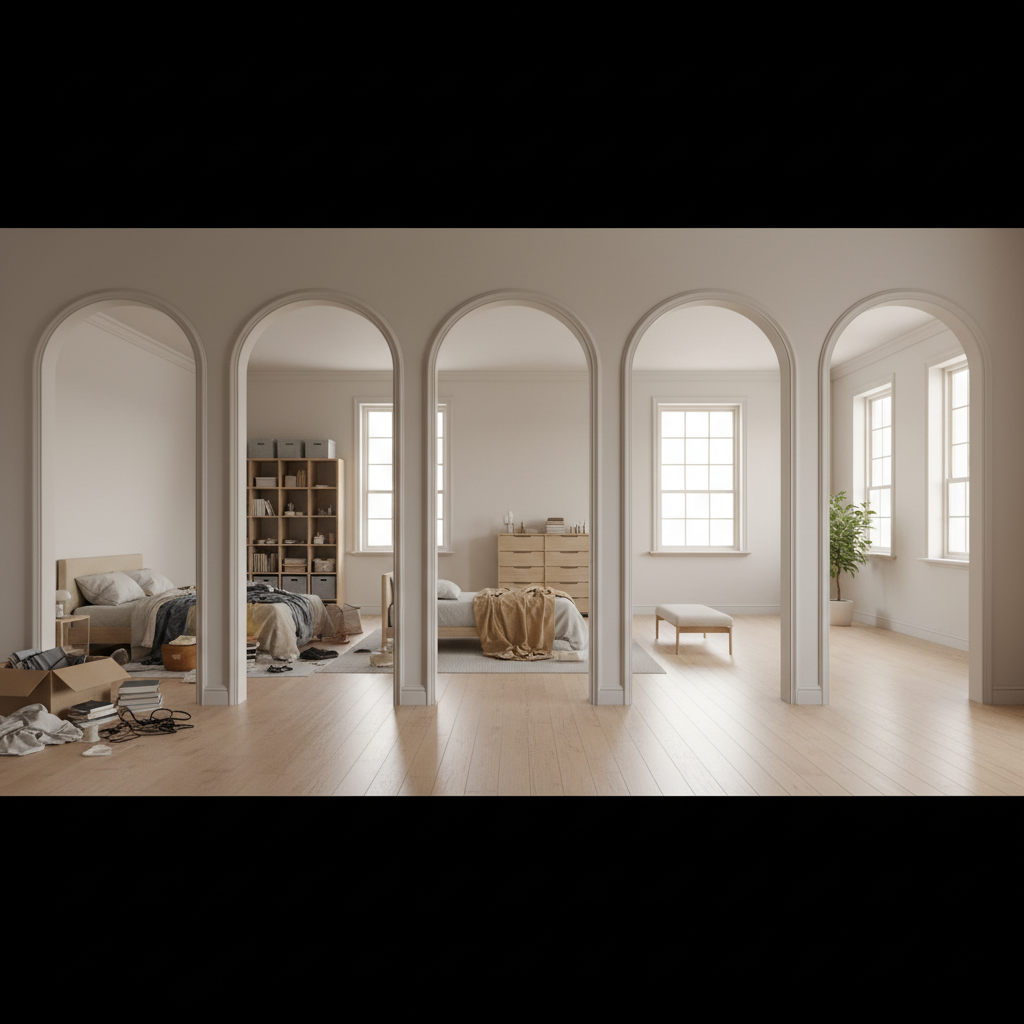
The psychology behind room-by-room decluttering is sound. Rather than trying to tackle your entire home at once, which can feel paralyzing, breaking the project into smaller, manageable zones gives you clear victories and momentum. Each completed room provides a psychological boost that motivates you to continue to the next space. This method also helps you establish consistent standards for what stays and what goes, since you're building habits gradually rather than making thousands of decisions in one exhausting weekend.
Starting small is key. Research on habit formation suggests that completing smaller tasks regularly is more likely to stick than attempting one massive overhaul. Additionally, when you focus on one room at a time, you can really think through the purpose of each space and what items actually support that purpose, rather than just moving clutter from one pile to another.
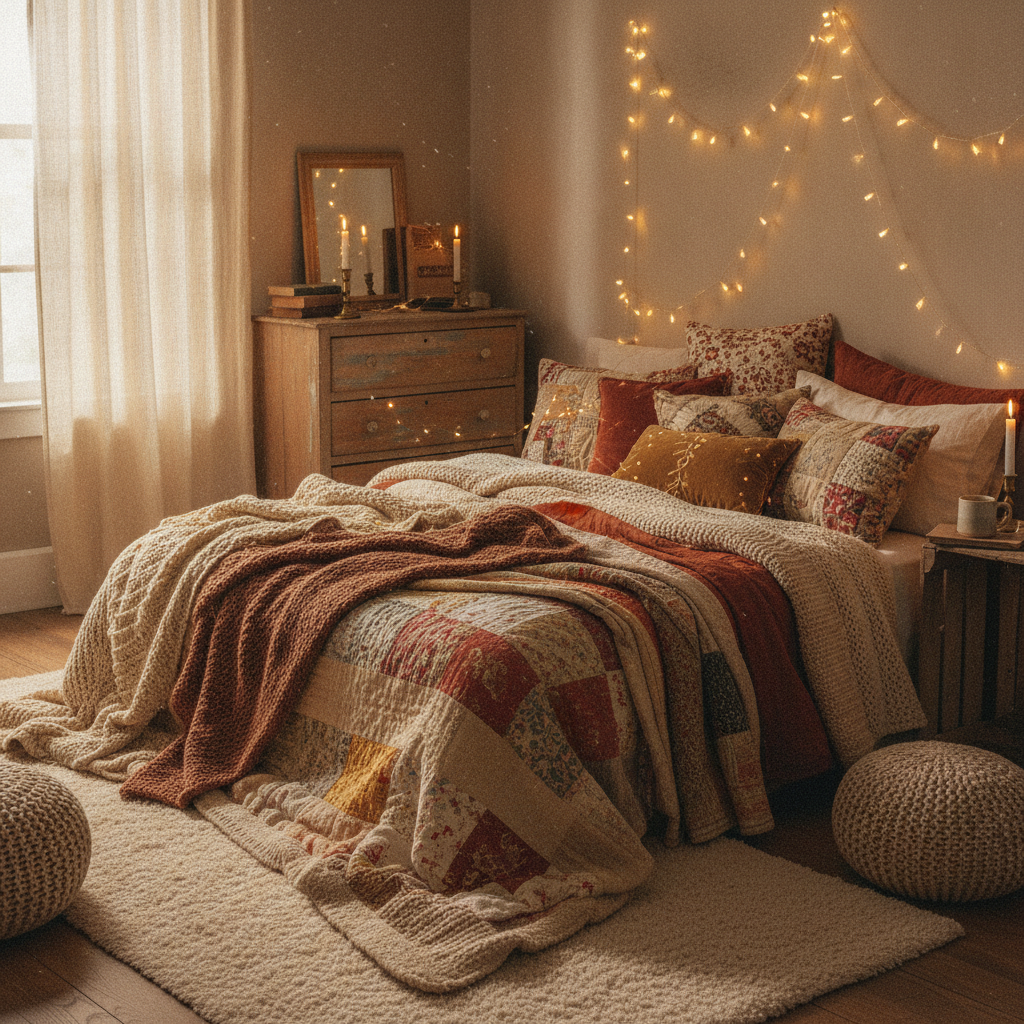
Related: 15 Cheap Ways to Make Your Room Cozy (That Actually Work)
The Bedroom: Your Personal Sanctuary
Why Start Here
Your bedroom should be a calm retreat, which makes it the ideal starting point for decluttering. Unlike living rooms or kitchens, bedrooms typically contain fewer items and categories, making the project feel more manageable. Additionally, you'll benefit immediately from the calming effects of a cleaner sleep environment, which sets a positive tone for the rest of your decluttering journey.
The Step-by-Step Approach
Start with clothing. Pull everything from your closet and dresser. Be honest about what you actually wear. If you haven't worn something in a year and it doesn't make you feel amazing, it goes. Consider the "hanger test" where you hang items backwards, then only turn them forward when you wear them. After a few months, anything still facing backwards is safe to donate. Aim to keep only clothes that fit your current life and body, not some hypothetical future version of yourself.
Next, tackle your nightstands and under-bed storage. These zones become catch-alls for items we don't know where else to put. Remove everything, wipe down surfaces, and only return items that genuinely belong in your bedroom. Finally, assess larger furniture. If a piece doesn't serve a purpose or feels heavy in the space, consider whether you'd buy it again today. If the answer is no, it's taking up valuable real estate.
The Kitchen: Where Food, Function, and Clutter Collide
Understanding Kitchen Clutter
Kitchens accumulate clutter quickly because we use them constantly and they're magnets for gadgets, utensils, and items we think we'll need "someday." The difference between a functional kitchen and a chaotic one often comes down to ruthlessly choosing between similar items and actually using the space you have available.
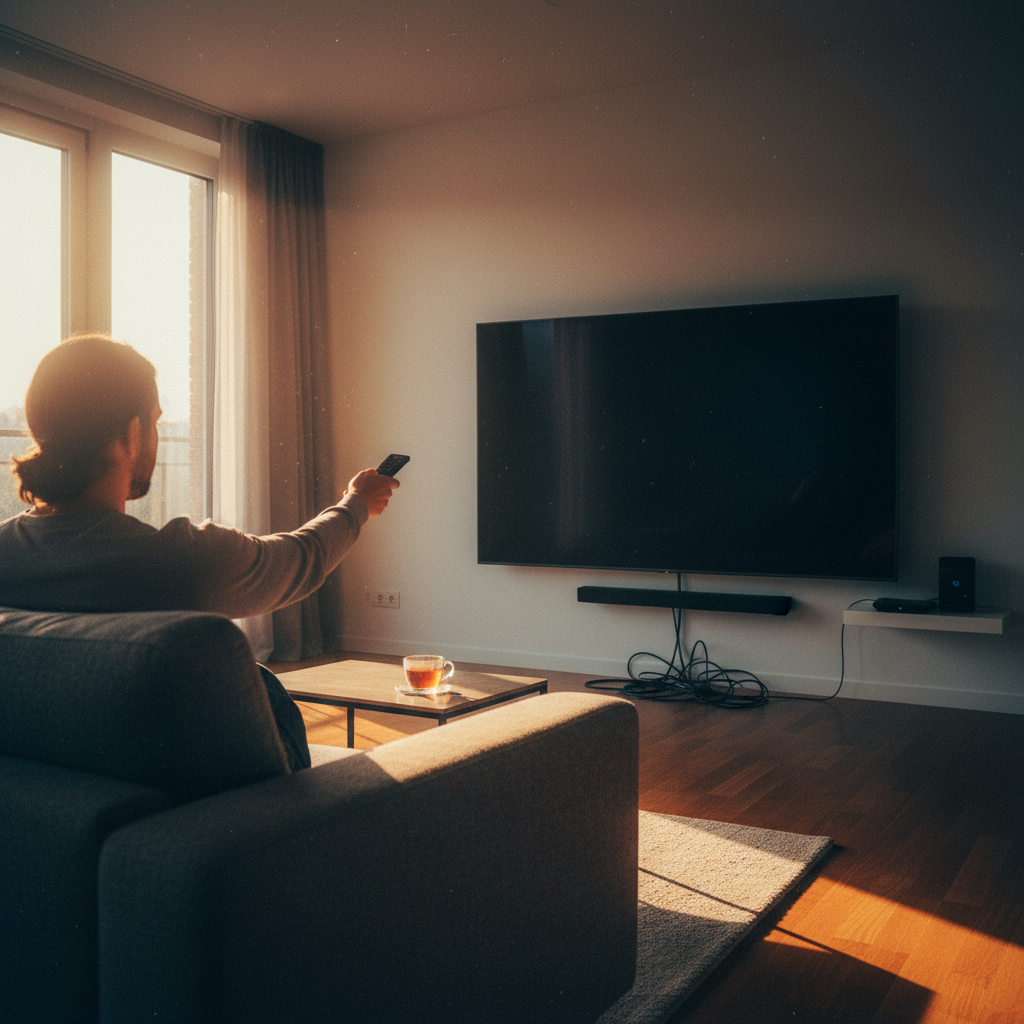
Related: 6 Signs You're Ready to Finally Ditch Cable (And What to Switch To Instead)
Practical Decluttering Zones
The utensil drawer is often the worst offender. You likely don't need seven spatulas or multiple sets of the same measuring spoons. Keep one good version of each tool you regularly use, plus a backup for high-use items. If you haven't used a specialty gadget (like that avocado slicer) in six months, it's honestly not going to change. Be especially ruthless with duplicates and broken items that you've been "meaning to fix."
Next, address your cabinets and pantry. Group similar items together: all baking supplies in one area, all canned goods together, pasta and grains grouped. This makes it immediately obvious when you have duplicates. Expired items should go without hesitation, and if you're holding onto specialty ingredients you bought for one recipe two years ago, it's time to let them go. Finally, evaluate larger appliances and small kitchen equipment. A blender you never use, that deep fryer taking up counter space, or the waffle maker that only comes out twice a year are candidates for removal if storage is tight.
The Bathroom: Taming the Beauty and Personal Care Zone
The Hidden Problem
Bathrooms are deceptively cluttered because many items are small and easy to hide in cabinets and drawers, leading us to accumulate far more than we actually use. Expired medications, dried-up makeup, and half-empty bottles of products take up significant real estate in a typically small space.
What to Keep and What to Toss
Check expiration dates religiously. Skincare products, medications, and makeup all have shelf lives that matter for both safety and efficacy. Mascara should be replaced every three months, sunscreen expires, and that face cream from three years ago isn't getting better with age. If you're hoarding travel-sized products from hotels, commit to using them within a reasonable timeframe or donate them unopened to a local shelter.
Be honest about what you actually use. If you've bought four different moisturizers because you kept hoping one would be "the one," eliminate all but your current favorite. Similarly, those fancy face masks, hair treatments, or nail polishes you're saving for a special occasion? If special occasions aren't happening, they're just taking up space. Keep only the toiletries and personal care items you regularly use, plus one or two backup items for essentials.
The Living Room: Balancing Function and Comfort
The Entertainment Paradox
Living rooms often struggle with the tension between being a functional gathering space and becoming a storage dumping ground. The key is to be intentional about what lives here and to regularly assess whether items are actively serving the room's purpose.
Specific Categories to Address
Media and entertainment items deserve special attention. If you still own DVDs, be realistic about whether you actually watch them or just stream everything. Do you need to keep the cases and manuals for electronics you've owned for years? Probably not. Books are another major culprit. Choose volumes you'd genuinely reread or reference, not ones you felt obligated to keep or think you "should" read someday.

Furniture and decor should spark joy or serve a clear purpose. An oversized armchair that doesn't quite fit the space, side tables covered in small decorative items you're dusting monthly, or throw pillows in colors that no longer appeal to you should go. Ask yourself of each piece: do I love this, do I use this regularly, or does it contribute to the room's function? If it doesn't meet at least one of those criteria, it's clutter in disguise.
The Home Office: Productivity Meets Paper Accumulation
The Paper Crisis
Home offices are where paper, cords, outdated technology, and "I might need this someday" items congregate. This space directly impacts productivity, so decluttering here pays obvious dividends in focus and efficiency.
Creating a Functional Workspace
Paper management is critical. Establish a simple system: current items in process go in one designated spot, important documents that must be kept go in a file, and everything else gets scanned and discarded. You truly don't need to keep every bank statement from five years ago or old utility bills. Set specific retention requirements based on legal and financial needs, typically three to seven years for most documents, then purge confidentially.
Technology accumulation also plagues home offices. Old chargers, cables for devices you no longer own, and outdated equipment take up surprising amounts of space. Keep only current chargers and one backup. For broken tech, either fix it within the next month or remove it. Similarly, assess office supplies honestly. You don't need twenty pens, and keeping an entire pen case of dried-out markers isn't resourceful, it's just clutter.
The Garage and Storage Spaces: The Final Frontier
Why Garages Get Out of Control
Garages and storage spaces become de facto dumping grounds because they're out of sight. This "out of sight, out of mind" mentality means we fill these spaces with items we can't commit to using or discarding, which defeats the purpose of storage itself.
Reclaiming Your Space
Be ruthless with seasonal items. Keep only decorations and gear you actually use. If you haven't used those Christmas decorations in five years, or those camping supplies never get brought anywhere, they're taking up valuable space. The same applies to clothes stored for hypothetical future seasons, boxes "just in case" you need to ship something, or collections of items you think might be valuable but haven't investigated in years.
Tools and equipment deserve honest assessment too. Do you actually use that power drill, or have you rented one twice in a decade? Keep the tools you genuinely use regularly and invest in quality versions rather than hoarding mediocre ones. Finally, be realistic about incomplete projects and "good bones" furniture. That dresser you've been meaning to refinish, the boxes of craft supplies for a hobby you quit, or the exercise equipment that never gets used should be donated to someone who will actually use them.
Maintaining Your Decluttered Home
Decluttering isn't a one-time event but rather a shift in how you relate to your possessions. After completing your room-by-room project, establish simple habits that prevent re-accumulation. Before bringing anything new into your home, ask whether it displaces something you already have. Create designated zones for catch-all items so they don't spread throughout your home. And schedule a seasonal fifteen-minute reset per room to catch clutter before it builds again.
The Real Reward
The physical benefits of decluttering are obvious: easier cleaning, reduced stress, and better organization. But the deeper reward is psychological. You'll discover that living with fewer, more intentional possessions creates remarkable mental clarity. When your physical environment isn't overwhelming you with visual chaos and decision fatigue, you have more mental energy for what actually matters. By working through your home room by room with this systematic approach, you're not just removing clutter. You're reclaiming your space, your time, and your peace of mind, one room at a time.