
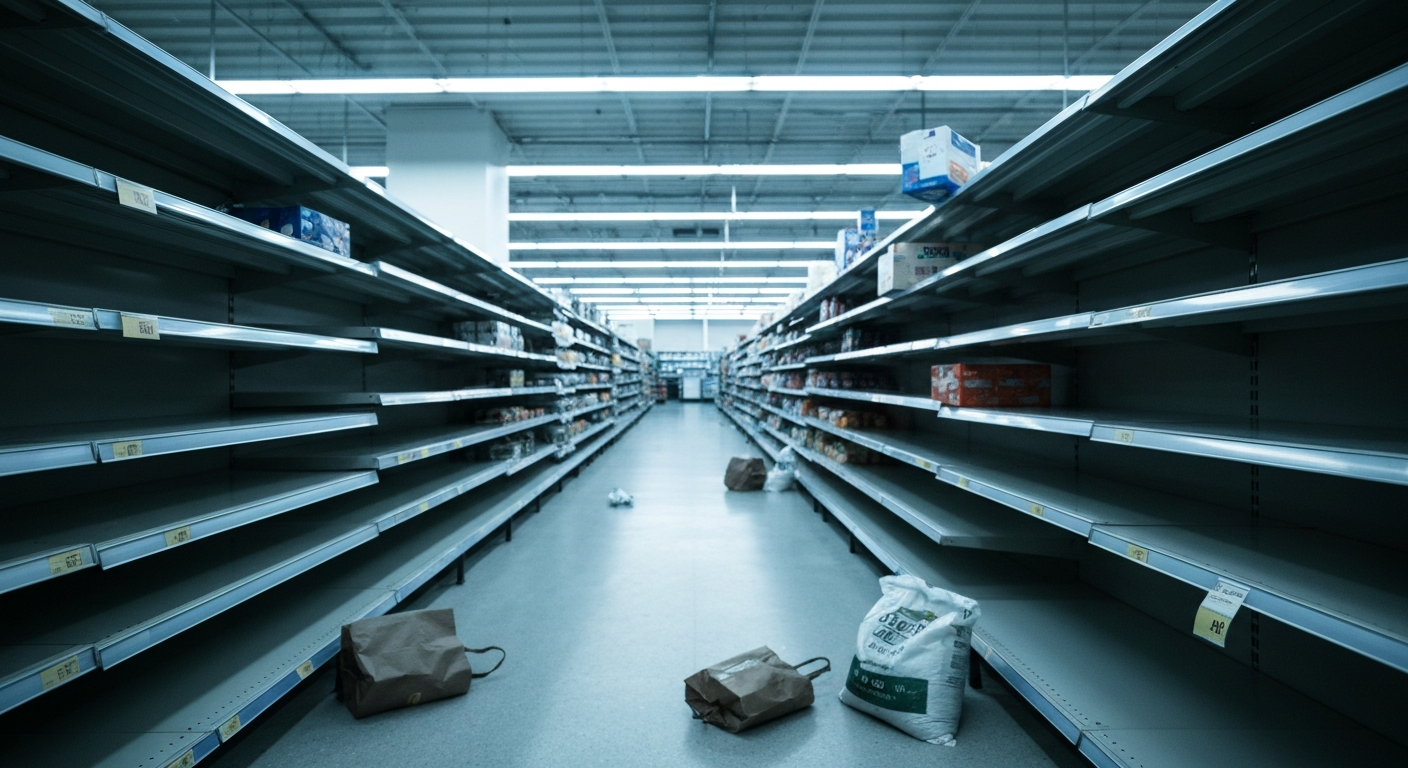
Safeway Is Closing Stores and People Are Freaking Out: Here's What You Need to Know About Your Local Grocery Situation
If you've scrolled through your social media feed lately, you've probably seen someone having a minor meltdown about Safeway closures in their area. The grocery chain's recent announcement to shutter around 79 stores has sent shockwaves through communities across the Western United States, leaving shoppers wondering if their beloved neighborhood store will be among the casualties. But before you panic and start hoarding canned goods, let's break down what's actually happening, why it matters, and what your options really are.
The Great Safeway Purge: What's Actually Going On?
Safeway, owned by parent company Albertsons, announced store closures as part of a larger strategic restructuring. This isn't exactly shocking news in the grocery world, where consolidation and market shifts have become the norm rather than the exception. The company cited various factors including underperforming locations, competitive pressures, and the need to streamline operations. What makes this particular round of closures notable is the sheer number of stores affected and the ripple effect it's creating across specific regions, particularly in California, Oregon, Washington, and other Western states where Safeway has historically held significant market share.
The closures aren't happening all at once, which means there's time to figure out your grocery game plan. Most affected stores have been given notice periods ranging from several weeks to a few months, allowing both customers and employees time to adjust. Still, the uncertainty has understandably rattled loyal shoppers who've relied on their local Safeway for decades.
Why This Matters More Than Just Finding a New Place to Buy Milk
Here's the thing about grocery store closures: they're not just inconvenient. They actually impact entire communities in meaningful ways. When a Safeway closes in a neighborhood, it can affect everything from your commute to how much you pay for groceries. Some affected areas may qualify as "food deserts," meaning residents will face significantly longer distances to reach a full-service grocery store. This disproportionately impacts elderly residents, people without reliable transportation, and those on fixed incomes who rely on walking or public transit to do their shopping.
Related: 6 Signs You're Ready to Finally Ditch Cable (And What to Switch To Instead)
Beyond accessibility, there's the economic ripple effect. Safeway stores employ thousands of people across these regions. While the company has indicated they're trying to relocate affected employees to other locations, not everyone will have that option, leading to job losses in communities that may not have abundant alternative employment opportunities in retail. Local suppliers and vendors who've built relationships with specific Safeway locations also face uncertainty about their business futures.
The Competitive Grocery Landscape: It's Not About Safeway Alone
Understanding why Safeway is closing stores requires understanding the broader grocery industry. The market has become increasingly fragmented and competitive. You've got discount chains like Walmart and Costco drawing customers away with lower prices. Amazon has disrupted traditional grocery shopping through Prime membership perks and Whole Foods integration. Kroger and other regional players have strengthened their positions in key markets. Meanwhile, smaller specialty grocery stores and ethnic markets have captured loyal customer bases looking for specific products or shopping experiences.
Safeway hasn't kept pace with these shifts in consumer behavior and market dynamics. The company's store formats and pricing strategy haven't resonated as strongly as competitors in many markets. Additionally, Albertsons (which also owns Vons, Albertsons, and other brands) has been aggressively trying to improve profitability, and sometimes that means cutting locations that aren't meeting financial targets, even if they're popular with customers.
Finding Your Grocery Groove: What Are Your Actual Options?
If Safeway is closing near you, here's the real talk on alternatives. First, check what other supermarkets are actually in your area. Most regions losing a Safeway have other options: Kroger, Albertsons' other banners, Walmart, Costco, or local chains. The shopping experience and pricing will vary, but you won't necessarily be left without options. Research these stores' loyalty programs and sales cycles to find where you'll get the best deals on your regular purchases.
Related: 7 Tiny Daily Habits That Actually Changed People's Lives (And How to Start Them)
Consider diversifying your grocery shopping. Instead of doing all your shopping at one store, you might hit up a discount chain for basics, a specialty store for specific items, and a farmers market or ethnic grocery for produce and specialty ingredients. This approach, sometimes called "strategic shopping," can actually save you money and give you better product quality than relying on a single retailer. Many shoppers already do this, and it might actually improve your overall grocery experience.
The Employee and Community Angle: What's Happening to People?
Let's not overlook the human element here. Safeway employees, many of whom have worked at the same location for years or decades, are facing real uncertainty. While Albertsons has stated they'll try to transfer eligible employees to other locations, that's not always feasible. Some workers will lose their jobs, and union negotiations around severance packages have been tense. For long-time employees who've built their careers at Safeway, this is genuinely disruptive.
Communities are also organizing responses. Some customer groups have launched petitions or met with corporate leadership hoping to reverse decisions about specific locations. While these efforts rarely change major corporate decisions, they reflect how much Safeway stores matter to people's daily lives and community identity.
The Bigger Picture: What This Means for Grocery Shopping's Future
These closures are part of a larger trend reshaping American retail. The golden age of massive supermarket chains may be ending, replaced by a more fragmented landscape with discount grocers, specialty retailers, direct-to-consumer models, and online options coexisting. This actually offers consumers more choice, but it requires more engagement and planning than simply going to your neighborhood Safeway every Thursday.
"The grocery industry is undergoing a fundamental transformation," explains retail analyst commentary on these market shifts. "What works in 2024 looks different from what worked in 2014, and companies that haven't adapted are feeling the pressure."
Your Action Plan Moving Forward
Start by figuring out which Safeway locations near you are closing and when. Check the company's official website for the complete list and timeline. Map out your alternatives before your store closes so there's no panic shopping at the last minute. If you have a Safeway loyalty card, understand what happens to any rewards you've accumulated. Download your receipt history or save digital copies of deals you've been using, as loyalty programs may transition or disappear.
Talk to friends and neighbors about where they're planning to shop. You might discover better deals or options you hadn't considered. And if you're genuinely concerned about grocery access in your community, reach out to local government representatives or community organizations, as these closures can sometimes qualify for public assistance or intervention.
The Bottom Line
Yes, Safeway closures are significant, and if your local store is closing, that's legitimately inconvenient. But this isn't a grocery apocalypse. Most communities have alternatives, even if they require adjusting your shopping habits. The grocery landscape is changing, competition is fierce, and companies like Safeway that don't evolve get left behind. Your job now is simply to evaluate your real options and adapt your strategy. It's not ideal, but it's manageable, and honestly, you might even discover you like your new grocery setup better than you expected.