From UCLA Star to Injured Reserve: Tyler Bilodeau's Journey Shows Why Mental Resilience Matters More Than You Think
When a promising athlete faces a career-threatening injury, the physical rehabilitation gets all the headlines. But what happens in the mind during those long months of recovery often determines whether someone returns stronger or never finds their way back. Tyler Bilodeau's journey from UCLA standout to navigating the complexities of injury and recovery offers a powerful reminder that mental toughness might be the most important muscle an athlete can develop.
The Rise of a Promising Talent
Tyler Bilodeau came to UCLA with the kind of promise that college coaches dream about. Playing college baseball at one of the nation's most competitive programs meant competing alongside some of the best young talent in the country. His contributions to the Bruins baseball program earned him recognition as a player with genuine professional potential, the kind of prospect scouts watch closely during draft season.
Like many college athletes, Bilodeau had worked his entire life for the chance to play at this level. The combination of skill, dedication, and opportunity seemed to be aligning perfectly. He was in that sweet spot where everything felt possible, where the path from college baseball to professional success seemed attainable. His teammates, coaches, and family all believed in his trajectory.
When Everything Changes: The Injury Reality
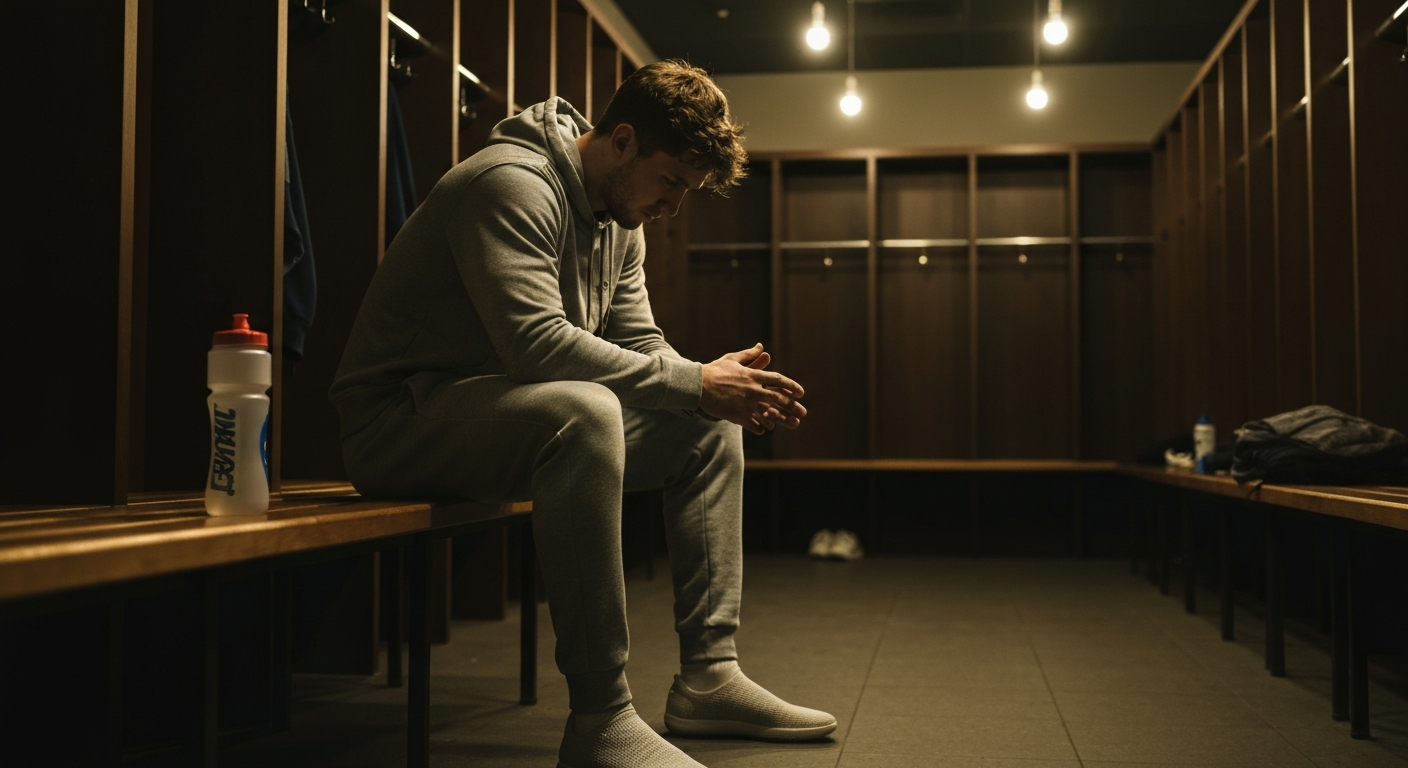
Then came the moment that changes everything for an athlete. An injury that was serious enough to land him on the injured reserve list represented far more than just a physical setback. For young athletes, an injury often feels like a betrayal by the body that has become their greatest asset. The sudden loss of ability to perform at the level you're accustomed to can be psychologically devastating.
Related: 15 Cheap Ways to Make Your Room Cozy (That Actually Work)
What makes injuries particularly challenging for athletes is the loss of identity. When so much of your self-worth is tied to athletic performance, losing the ability to compete creates an existential crisis that often goes unaddressed. Bilodeau wasn't just dealing with pain, physical therapy, and recovery timelines. He was grappling with questions about who he was if he couldn't play the sport that had defined him.
Research from sports psychologists shows that athletes often experience depression and anxiety following serious injuries at rates comparable to clinical populations. The psychological impact can actually be more damaging than the physical injury itself if not addressed properly. Mental health professionals now recognize that injury recovery isn't just about getting stronger physically, but about rebuilding mental resilience and sense of self.
The Invisible Battle: Mental Resilience in Recovery
What makes Bilodeau's story particularly valuable is that it highlights the mental component of recovery that rarely gets discussed in locker room conversations. The physical therapists can measure progress through range of motion and strength gains. The coaches can track statistical improvements. But the daily battle against doubt, frustration, and the fear of never returning to form happens mostly in silence.
Mental resilience during injury recovery involves several key components. First, there's acceptance of the current reality without surrendering hope for the future. This isn't a simple either-or proposition. Athletes must simultaneously acknowledge that they're injured while maintaining belief in their capacity to recover and return. This psychological balance is genuinely difficult to achieve.
Related: 6 Signs You're Ready to Finally Ditch Cable (And What to Switch To Instead)
Second, resilience requires reframing the injury as a temporary setback rather than a permanent limitation. Language matters here. The difference between "I am injured" and "I have an injury I'm working through" reflects a fundamental difference in how someone approaches recovery. One defines the person; the other describes a situation that can change.
The Support System That Actually Matters
Athletes who recover successfully from serious injuries almost always have something in common: a strong support system. This might include sports psychologists, supportive coaches, family members who understand the psychological toll, and teammates who maintain connection. Bilodeau's UCLA background meant access to institutional support that many injured athletes lack.
The role of community in recovery cannot be overstated. When an athlete feels genuinely supported by people who care about them as human beings rather than just as performers, the psychological burden becomes manageable. This is why some teams and programs intentionally invest in mental health resources for injured players. They understand that isolated athletes struggling psychologically often make poor decisions that further derail their recovery.
What We Can Learn From Professional Athletes' Injury Journeys
Bilodeau's situation isn't unique in professional and collegiate sports, but that's exactly what makes it valuable. Athletes at every level face injuries. What separates those who return to competition from those who don't often comes down to mental approach. Athletes who develop mental resilience before they need it have a significant advantage when injury inevitably occurs.
Mental resilience, like physical conditioning, can be developed and strengthened over time. This involves practicing self-compassion during difficult training sessions, developing realistic perspectives about setbacks, and building a support network before crisis hits. Athletes who work with sports psychologists before injury occurs have tools ready when they need them most.
The Broader Life Lesson
Beyond the specific context of athletics, Bilodeau's journey teaches us something universal about human resilience. Everyone faces moments where our abilities are stripped away, where we must confront the gap between our expectations and our reality. Whether it's injury, job loss, health challenges, or unexpected life changes, the psychological principles remain the same.
Mental resilience is built through acknowledging pain while maintaining forward momentum, accepting what we cannot control while maximizing effort in what we can control, and remembering that temporary setbacks need not define permanent identity. These lessons apply whether you're a college athlete on injured reserve or someone navigating any significant life challenge.
Moving Forward With Intention
Tyler Bilodeau's story, whether it ultimately culminates in a return to competition or a successful transition to a new chapter, reminds us that how we respond to adversity matters more than the adversity itself. The mental work of recovery is just as important as the physical work, and deserves equal attention and resources.
For other athletes currently facing injury, the message is clear: your current situation does not determine your future. Your response to it does. Building mental resilience through proper support, intentional mindset work, and maintaining connections with people who value you beyond your performance creates the foundation for either returning to sport or successfully transitioning to whatever comes next. That's the real victory that comes from understanding why mental resilience matters more than we typically acknowledge.