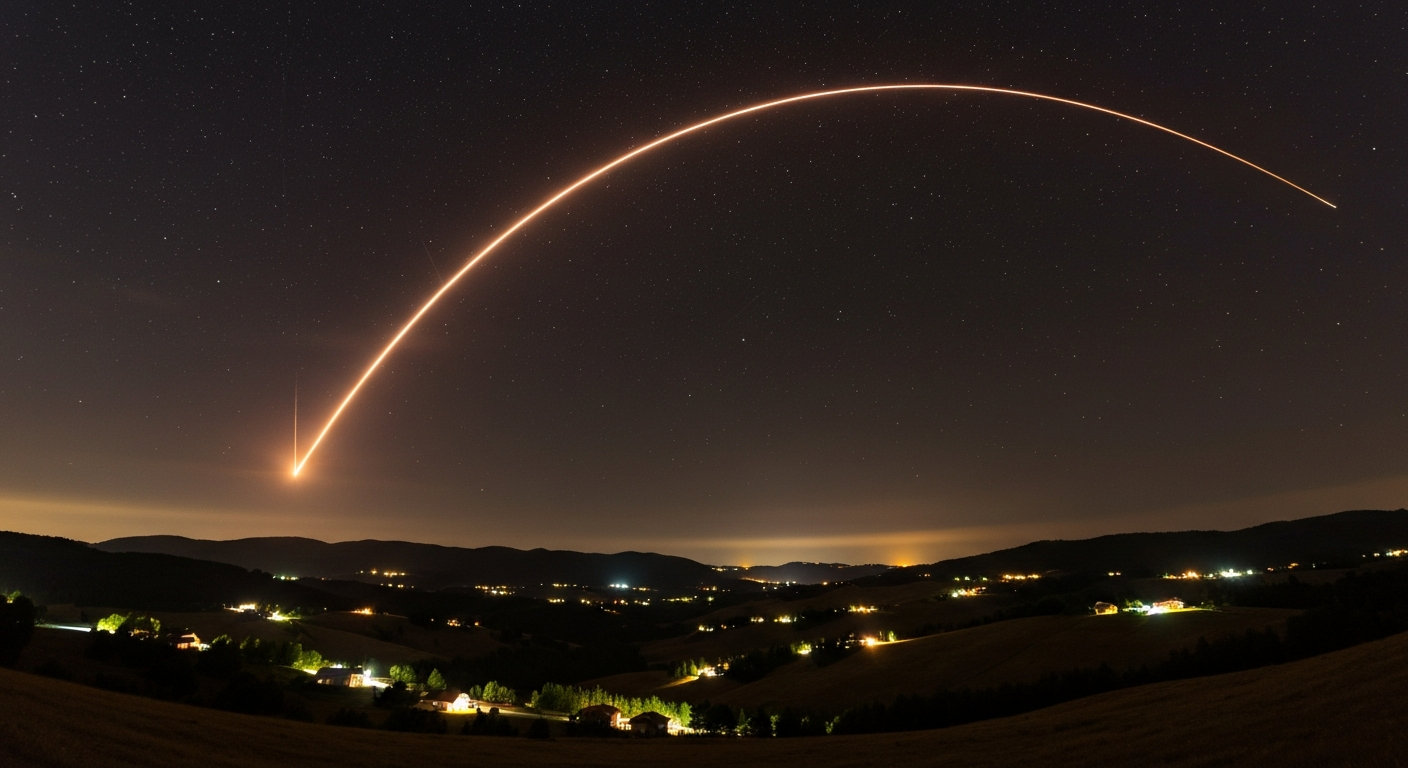
9 Burning Questions About That Meteor Over Pennsylvania and Ohio (And Yes, You Should Probably NOT Touch It)
Unless you've been living under a rock (or maybe even if you have been), you've probably heard about the mysterious fireball that lit up the skies over Pennsylvania and Ohio recently. Social media exploded faster than the meteor itself, with everyone from amateur astronomers to conspiracy theorists weighing in on what exactly people witnessed. If you're sitting there wondering what all the fuss is about and whether you should be concerned, we've got answers to the questions that are actually keeping people up at night.
-
What Actually Was That Thing In The Sky?
The bright streak people saw wasn't an alien spaceship or a government experiment (sorry, conspiracy theorists). It was most likely a meteor or meteoroid entering Earth's atmosphere and burning up due to friction. When space rocks hit our atmosphere at speeds around 45,000 miles per hour, they generate intense heat that makes them glow brilliantly, creating that unmistakable "fireball" effect that gets everyone's phones out and pointed skyward.
-
Why Did It Look So Incredibly Bright?
The brightness depends on several factors: the size of the rock, how fast it was traveling, and its composition. Larger meteoroids create more spectacular light shows, which is why this particular event caught so much attention across multiple states. Think of it like this: a pea-sized rock traveling at extreme speeds can brighten the entire sky enough to cast shadows on the ground below.
-
Could It Actually Hit Something, Or Was It All Show?
Most meteoroids burn up completely during atmospheric entry, which is exactly what happened here. The extreme temperatures and air pressure essentially vaporize the rock before it ever reaches the ground. This is actually great news for everyone involved, because it means you weren't in danger even if you were standing outside when it happened.
Related: 15 Cheap Ways to Make Your Room Cozy (That Actually Work)
-
Why Do These Events Create So Much Panic?
Humans have a natural fear response to unexpected phenomena, especially when something dramatic appears in the sky without warning. Add social media amplification to the mix, and suddenly everyone thinks the apocalypse is happening. The reality is that meteor sightings are fairly common, but we don't always notice them because they occur during daylight hours or over unpopulated areas.
-
Is There Actually Debris To Find, Or Is That Just Movie Stuff?
Sometimes meteorites do reach the ground, but in this particular case, experts believe most or all of the meteor burned up in the atmosphere. Even when fragments do land, they're typically scattered across wide areas and incredibly difficult to locate. Unless you enjoy wandering through forests and fields with a metal detector, you're probably not going to stumble upon anything.
-
What Should You Actually Do If You Think You Found A Meteorite?
First things first: do not pick it up with your bare hands. If you genuinely believe you've found a meteorite, photograph it in place and contact local universities, planetariums, or geological surveys. Wear gloves if you must handle it, and document exactly where you found it. Scientists actually love this kind of information because it helps them understand where space rocks are landing.
-
Could This Meteor Have Been Predicted?
Unlike larger asteroids that NASA actively tracks, small meteoroids often go undetected until they enter our atmosphere. We have systems in place to monitor potentially dangerous asteroids, but the smaller stuff flies under the radar (literally). Think of it like trying to spot a grain of sand in the ocean before it washes ashore.
Related: 6 Signs You're Ready to Finally Ditch Cable (And What to Switch To Instead)
-
How Often Does This Actually Happen?
Meteor events occur far more frequently than you'd think. Scientists estimate that Earth gets hit with about 100 tons of dust and sand-sized particles every single day. Larger meteoroids bright enough to see happen several times per year somewhere on Earth, but most people never witness them because they occur over oceans or at night.
-
Why Shouldn't You Touch Space Rocks If You Find Them?
Meteorites can contain unusual minerals and isotopes that scientists want to study in pristine condition. Your fingerprints, skin oils, and any dirt you transfer to the rock contaminate the sample and compromise research. Beyond that, freshly fallen meteorites are sometimes hot, and some contain materials that could cause skin irritation or other issues.
So there you have it: the meteor you saw was likely just a visitor from space doing what space rocks do best. You weren't in danger, there's probably no treasure to find, and if you do happen to locate anything, remember to call the experts before touching it. Now you can confidently explain to your curious friends and relatives exactly what they saw streaking across the Pennsylvania and Ohio skies, and you can do it without sounding like you believe in UFOs.