
5 Things You Probably Didn't Know About Your Electric Bill (And Why Companies Like Alabama Power Are Charging You More Than You Think)
Your electric bill arrives every month like clockwork, but how much do you really understand about what you're paying for? Most people glance at the total amount due and move on, never realizing there's a complex web of charges, fees, and rate structures hidden in those fine print details. Understanding these hidden costs isn't just about curiosity, it's about taking control of your energy spending and recognizing where your money actually goes each month.
1. Demand Charges Are Quietly Eating Your Budget
Beyond the basic per-kilowatt-hour rate you might expect, many utility companies like Alabama Power charge what's called a "demand charge." This fee is based on your highest energy usage during any single 15-minute or 30-minute period throughout the month, not your average usage. So if you run your air conditioner, oven, and water heater simultaneously for just half an hour on a sweltering afternoon, you could be paying premium rates for that peak demand all month long.
2. Time-of-Use Pricing Means You're Paying Different Rates at Different Times
Some utility companies have implemented time-of-use (TOU) rate structures where electricity costs more during peak hours (usually late afternoon and evening) and less during off-peak hours. If your utility offers this option, you might be able to shift heavy usage like laundry, dishwashing, or charging devices to early morning or late night hours to reduce your bill significantly. This is particularly valuable information if you work from home or have flexibility in your daily schedule.
3. Fuel Adjustment Clauses Can Increase Your Bill Without Notice
Utility companies often include a "fuel adjustment clause" in their rate structures, which allows them to pass along unexpected increases in fuel costs directly to customers. During months when natural gas prices spike or renewable energy sources underperform, these clauses can add surprising amounts to your bill. These adjustments happen automatically without requiring new rate approvals, which means you might see double-digit percentage increases from month to month.
Related: 15 Cheap Ways to Make Your Room Cozy (That Actually Work)
4. Fixed Charges Apply Even When You Use Minimal Energy
Many electric bills include a substantial fixed daily charge that you pay regardless of whether you use any electricity at all. These fixed costs typically cover meter reading, maintenance, and grid infrastructure. If you're trying to reduce your electricity consumption through conservation, you'll find that your bill doesn't drop proportionally because these fixed charges remain constant every single month.
5. Taxes and Surcharges Can Add 15-25% to Your Base Rate
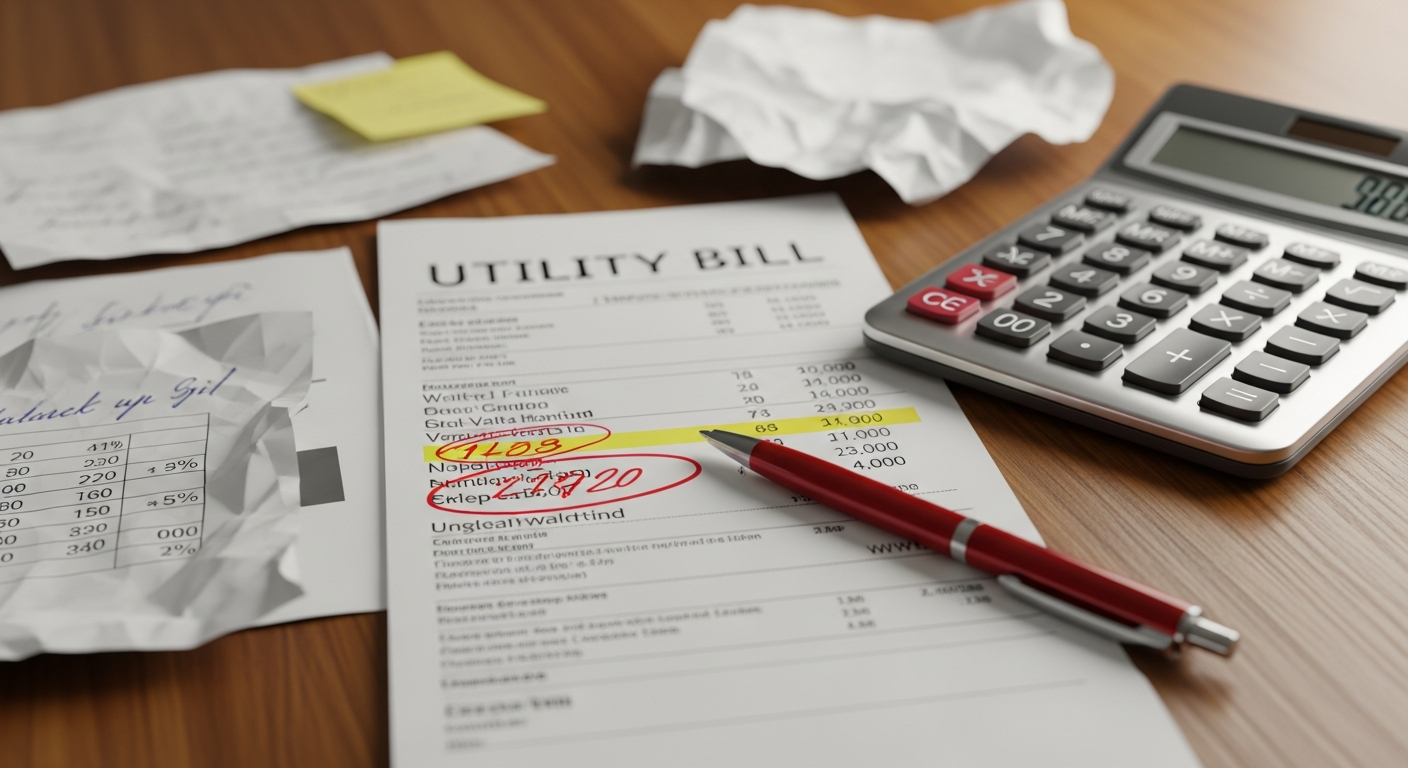
When you look at the basic electricity rate, it might seem reasonable, but once taxes, franchise fees, environmental surcharges, and other governmental charges are added, your effective rate can be 15-25% higher than advertised. These charges appear as separate line items on your bill and are often poorly explained in utility company materials, making it difficult for customers to understand the true cost of their electricity.
6. Budget Billing Programs Lock You Into Higher Averages
While budget billing sounds convenient because it spreads costs evenly across 12 months, utility companies typically base these averages on your highest-use months from the previous year. This means you could be overpaying during months when you actually use less energy, and utility companies benefit from holding your money interest-free throughout the year. If you cancel the program, you might owe a lump sum adjustment based on your actual usage patterns.
7. Outdated Meter Technology Might Be Overestimating Your Usage
Older analog meters are occasionally prone to creep, where they slowly register usage even when appliances aren't drawing significant power. If your home still has an analog meter and you've noticed bills rising without explanation, you might be able to request a meter test or upgrade to a digital meter. Some utility companies offer smart meter upgrades that provide more accurate readings and can help you track real-time usage patterns.
Related: 6 Signs You're Ready to Finally Ditch Cable (And What to Switch To Instead)
8. Rate Increases Often Happen Quietly Between Rate Cases
Utility companies file for formal rate increases at the Public Service Commission, but between these official hearings, they often implement surcharges and fee increases that don't require the same public scrutiny. These smaller incremental increases might only add a few dollars to your bill individually, but they compound throughout the year and over multiple years significantly impact your total annual costs.
9. Energy Efficiency Rebates Exist But Require Active Seeking
Most utility companies offer rebates for upgrading to Energy Star appliances, installing solar panels, or improving home insulation, yet many customers never claim these funds simply because they don't know the programs exist. Taking 20 minutes to search your utility provider's website for available rebates could qualify you for hundreds of dollars in direct credits or rebates that offset upgrade costs.
10. Disconnection Fees and Late Charges Compound Quickly
If you fall behind on payments, utility companies add disconnection fees that can range from $50 to $200, plus additional charges for reconnection services. These fees often appear with minimal notice, and once added, they become part of your outstanding balance with accruing interest. Understanding your payment due date and options for flexible payment plans can help you avoid these costly penalties.
11. Smart Meter Data Shows Your Peak Usage Patterns
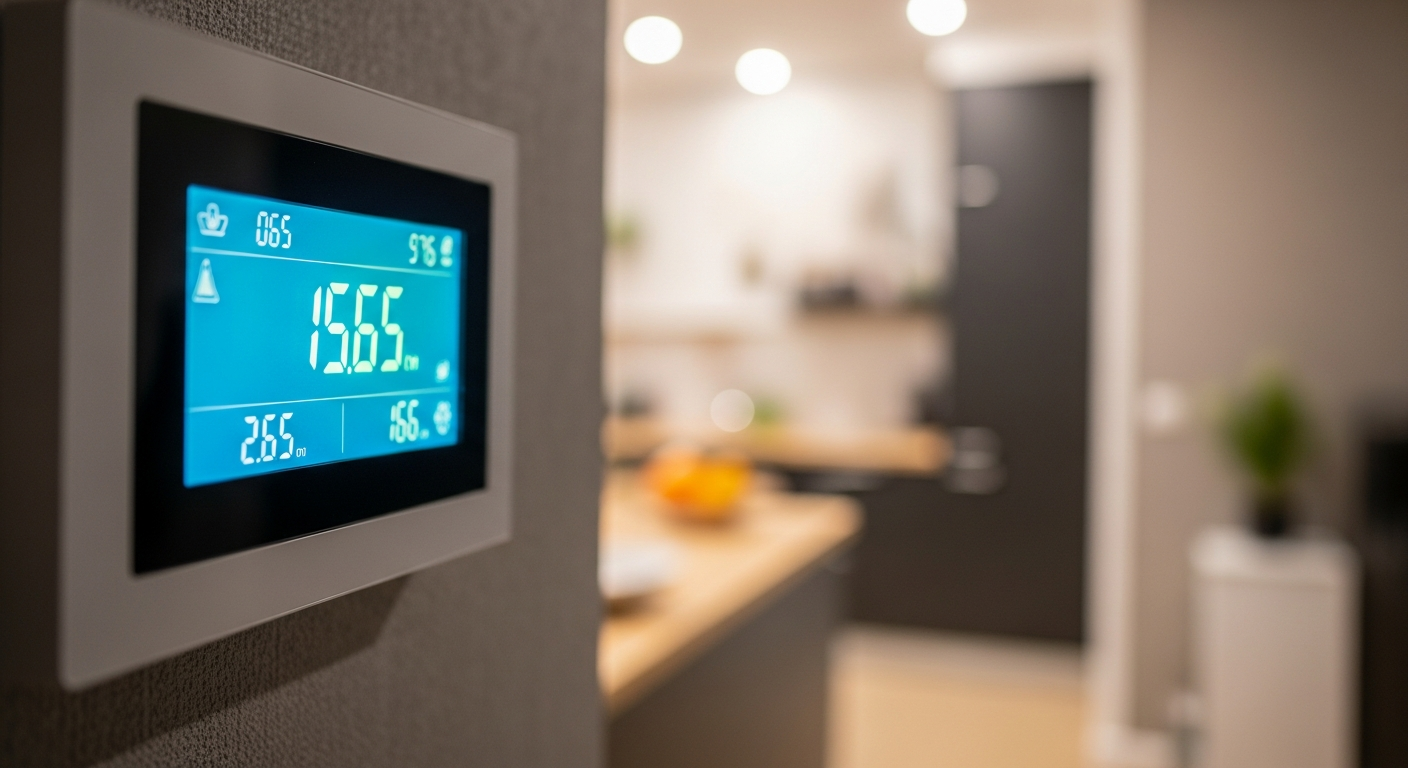
If your utility provider has installed a smart meter, they have detailed information about exactly when you use electricity throughout the day and week. This data could be used to inform you about your consumption patterns, but most customers never receive this breakdown in understandable format. Requesting your usage data or accessing it through your utility's online portal can reveal surprising patterns that help you identify which appliances or behaviors drive your highest costs.
12. Community Solar Programs Offer Lower Rates But Have Hidden Requirements
Some utility companies now offer community solar programs where residents can subscribe to shared solar installations at lower rates than traditional electricity. However, these programs often come with contract terms, early termination fees, or restrictions that aren't immediately obvious. Before enrolling, carefully read the fine print regarding contract length, rate guarantees, and what happens if you move or change providers.
13. Power Factor Charges Target Heavy Commercial Users But Affect Some Residences
Though primarily affecting businesses, some residential customers with pools, hot tubs, or extensive older appliances might face power factor charges that penalize inefficient energy use. These charges compensate utilities for the extra effort required to deliver reactive power alongside real power. Upgrading to modern, efficient appliances can sometimes eliminate these charges by improving your home's power factor.
14. Seasonal Rate Variations Mean Your Summer Bills Could Be Intentionally Higher
Some utilities implement higher rates during peak demand seasons (typically summer for air conditioning and winter for heating) to encourage conservation during those periods. These seasonal variations might add 30-50% to your bill during the hottest or coldest months compared to shoulder seasons. Planning major electrical usage around these seasonal rate changes can yield substantial annual savings.
15. Opting Out of Services Might Be Possible But Requires Specific Requests
Some utility providers automatically enroll customers in premium services like extended outage protection or equipment insurance that you might not need. Opting out often requires a specific written request, and many customers never realize these services are being charged. Reviewing your bill carefully and contacting your provider to eliminate unnecessary services can free up $10-30 monthly, adding up to meaningful savings annually.
Taking Control of Your Energy Costs
Your electric bill doesn't have to be a mystery or an unwelcome surprise each month. By understanding these hidden charges, fees, and rate structures, you can make informed decisions about your energy usage and identify genuine opportunities for savings. Start by carefully reviewing your next bill line by line, then contact your utility provider with specific questions about any charges you don't understand. The knowledge you gain might not only reduce your bills but also help you appreciate the complexity of keeping electricity flowing to your home affordably and reliably.