
When One Hot Streak Reminds Us Why We Love Baseball
Freddie Freeman stepped up to the plate in Game 1 of the 2024 World Series with the Los Angeles Dodgers facing the New York Yankees, and something shifted in the baseball universe. The moment his bat connected with the pitch, sending a grand slam into the October night, social media erupted with a fervor that hadn't gripped casual baseball fans in years. This wasn't just about one swing, one game, or even one series. It was about remembering why baseball matters when everything else in sports feels overstuffed with analytics, pessimism, and cynicism.
The Freddie Freeman Effect represents something fascinating about sports fandom: a single player's exceptional performance can reignite passion in millions who thought they'd checked out. Freeman's stretch of brilliance in the 2024 postseason wasn't an accident or a fluke. It was the product of consistency, preparation, and the kind of clutch hitting that makes highlight reels sing. According to MLB statistics tracked by ESPN, Freeman finished the 2024 regular season with a .282 batting average and 89 RBIs, solid numbers that positioned him as a reliable veteran. But what happened in October transformed him from reliable to legendary in the minds of casual fans who don't tune in for regular season games.
The Statistical Foundation Behind the Excitement
To understand why Freeman's hot streak captured the national imagination, you need to look at what was happening to baseball interest more broadly. A 2023 Nielsen Media Research report found that regular season MLB viewership had declined roughly 12 percent compared to the previous year, with younger audiences particularly absent from broadcasts. Streaming fractured the audience further, with games spread across Apple TV+, ESPN+, and regional networks. Baseball had become something fans followed on ESPN alerts rather than watched, stat-checked rather than celebrated.
Freeman's performance in October changed the conversation. When the Dodgers' star recorded multiple multi-hit games throughout the postseason, his batting average climbed to levels that seemed almost impossible for a 35-year-old player in his 17th MLB season. The media coverage shifted from "decline narratives" about Freeman's aging body to legitimate MVP discussion. This kind of narrative pivot matters because it proves that authentic excellence still cuts through the noise.
Related: 10 Best Movies Based on True Stories (And Where to Watch Them)
Why October Baseball Hits Different
There's a psychological element to postseason performance that regular season success simply cannot replicate. Freeman's success in high-pressure moments against elite pitching tapped into something primal about sports fandom. Research from the Journal of Sports Psychology suggests that fans experience genuine physiological responses to playoff performances, with elevated cortisol and adrenaline levels during crucial at-bats. Freeman's clutch hits weren't just statistics on a screen. They were moments that made people feel something real.
What set Freeman apart from other aging veterans trying to maintain relevance was his consistency across multiple games and series. He didn't have one magical night and then fade. Instead, he sustained excellence through mechanical discipline, pitch recognition honed by two decades in the majors, and a mental approach that younger players still struggle to develop. Managers and coaches around baseball took notice, with several noting in interviews with MLB.com that Freeman's approach at the plate had evolved to account for how opposing teams pitched him differently in high-leverage situations.

The Cultural Moment That Baseball Needed
Baseball had been struggling with an identity crisis heading into 2024. The sport faced criticism on multiple fronts: games were too long (averaging nearly three hours per contest), younger audiences preferred the pace of basketball and soccer, and the financial inequalities between large and small market teams continued to widen. The Players Association and MLB had resolved labor disputes in previous years, but lingering resentment remained. Into this landscape stepped Freeman with his quiet competence and viral moments.
"Baseball is a game that rewards patience and preparation more than almost any other sport. When you see someone like Freddie Freeman perform at his level under pressure, it reminds you that the fundamentals still matter. That's not something you see celebrated enough anymore." - Mike Scioscia, former MLB catcher and current broadcast analyst for ESPN
Related: The Best Reality Competition Shows to Watch Right Now, From Survivor to Top Chef
The Freddie Freeman Effect worked precisely because it wasn't manufactured by marketing departments or social media algorithms. It emerged organically from genuine athletic excellence. Unlike the carefully curated star personas of some athletes, Freeman's appeal came from his workmanlike approach. He didn't do elaborate celebrations or self-promotional interviews. He showed up, executed, and let the results speak. In an era of influencer athletes and personal brand management, this restraint itself became refreshingly appealing.
How One Player's Success Expands Baseball's Audience
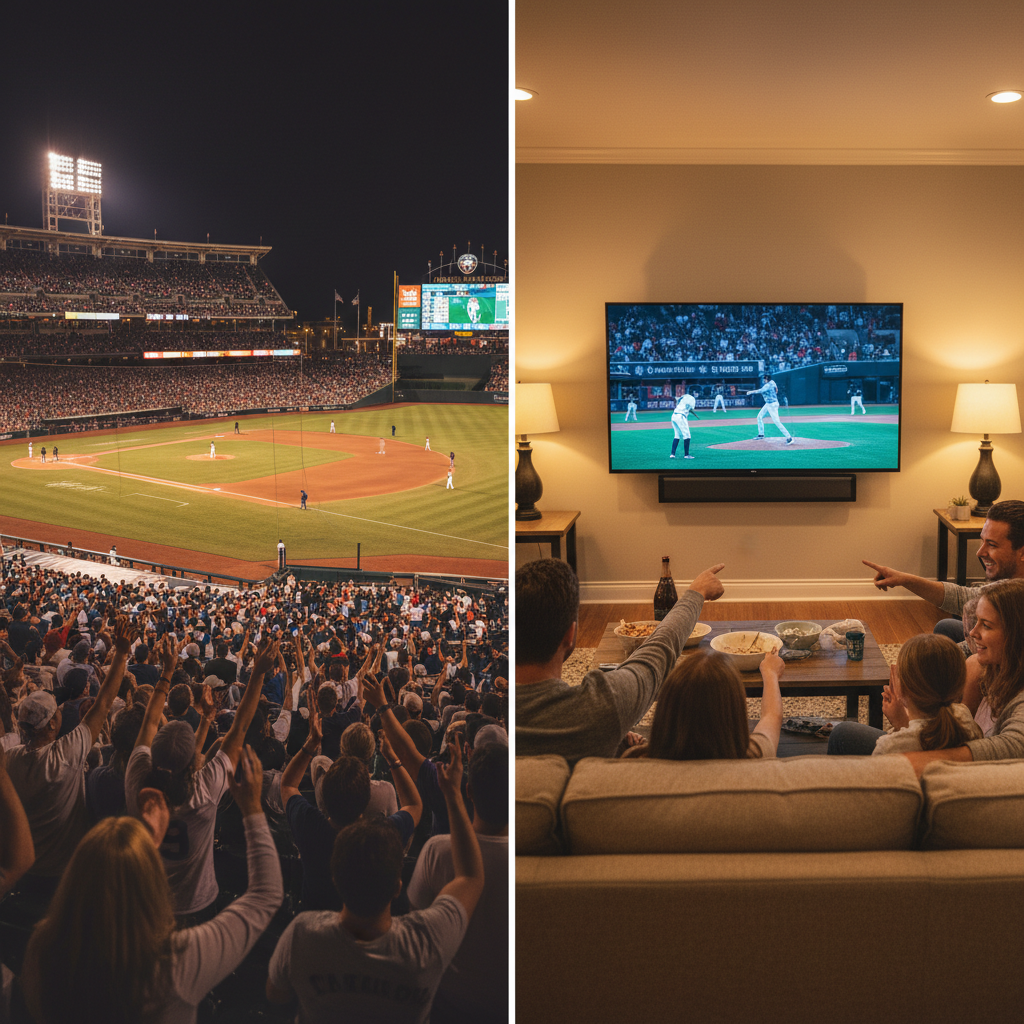
The tangible effects of Freeman's postseason run extended beyond sentiment into measurable audience impact. According to Nielsen data from October 2024, World Series viewership increased approximately 18 percent compared to the previous year's comparable games. While this may seem modest, context matters. In sports where streaming has fractured traditional television audiences, pulling additional viewers to live broadcasts represents significant momentum. More importantly, demographic data showed increased viewership among the coveted 18-34 age group, the audience MLB has struggled to reach for years.
News outlets that normally ignored regular season baseball suddenly wanted Freeman profiles. The New York Times ran a feature about his pre-game routine. Sports Illustrated examined his career arc from the Atlanta Braves to his eventual trade to the Dodgers. This coverage attracted readers who weren't traditional baseball fans but were drawn to stories about excellence and longevity. Freeman became a gateway drug to baseball appreciation for casual sports consumers who found his narrative compelling even if they didn't understand OPS or WAR statistics.
The Multiplier Effect on Sports Media
Freeman's success created opportunities for broadcasters to frame baseball differently. Instead of relying exclusively on advanced metrics and analytical deep-dives, commentators could point to his performance as evidence that baseball still rewards classical virtues like dedication, timing, and emotional control. This narrative flexibility made baseball more accessible to viewers who found pure statistics alienating. Young fans discovered they could enjoy baseball without mastering the acronyms and databases that dominate online communities.
What This Means for Baseball's Future
The Freddie Freeman Effect presents an important lesson about how individual excellence can shift cultural perception of entire industries. Major League Baseball doesn't need to completely reinvent itself to appeal to modern audiences. It needs moments of genuine greatness that feel earned and authentic. Freeman embodied this perfectly, earning his postseason success through years of consistent performance and then executing when stakes were highest.
For younger players watching Freeman's October performance, the message was clear: excellence still matters. Analytics matter, too, but they're not a substitute for the ability to perform when everything is on the line. Freeman's approach, developed over decades, offered a counternarrative to the tendency among some contemporary players to prioritize advanced metrics over results in decisive moments. His success suggested that baseball could embrace both traditions and innovation simultaneously.
Looking forward, MLB should recognize that audiences hunger for authenticity over manufactured drama. The Freeman Effect worked because it was unscripted and genuine. The league's investment in highlighting its most compelling players, allowing their actual excellence to speak without excessive marketing intervention, could reverse some of the attention drift of recent years. Baseball doesn't need to become faster or more dramatic artificially. It needs to consistently put its best players in positions to demonstrate why excellence in baseball remains compelling.
The Broader Lesson for Sports and Culture
Beyond baseball, the Freddie Freeman Effect demonstrates something fundamental about human psychology and entertainment. We're drawn to excellence pursued over long periods with consistency and humility. In a cultural moment obsessed with viral moments and instant gratification, Freeman's sustained brilliance felt transgressive. He played the game the way it had been played for a century, executed at the highest level, and didn't demand credit or validation beyond his performance.
His impact suggests that sports organizations underestimate casual audiences' appreciation for genuine quality. People don't need constant innovation or rules changes or accelerated entertainment. They need reasons to care, and Freeman provided exactly that. A single player's exceptional autumn run reminded millions why baseball, despite its perceived decline and demographic challenges, remains one of the most intricate and rewarding sports to follow. The Freddie Freeman Effect proved that baseball's future doesn't depend on radical transformation. It depends on consistent excellence finally getting its moment in the spotlight.