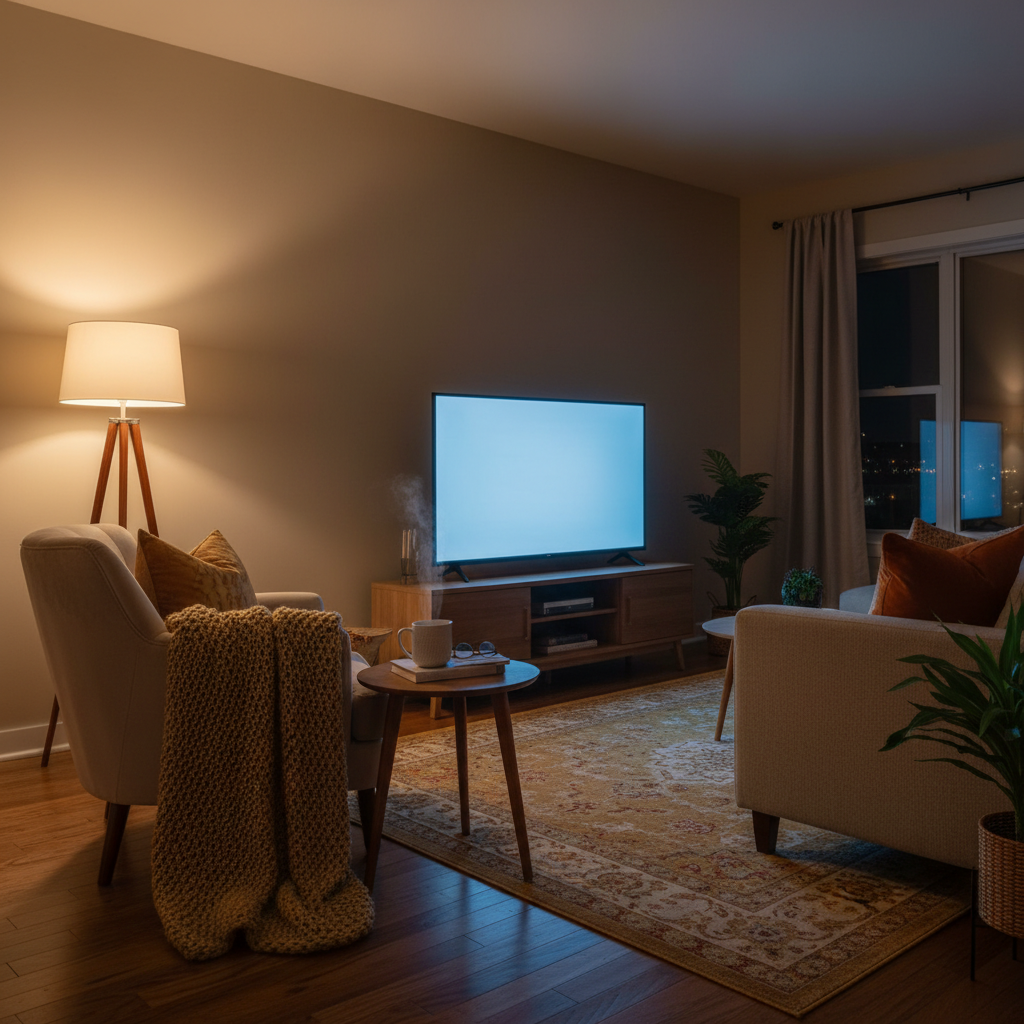
According to Nielsen data from 2024, Americans spend an average of 4.5 hours per day watching streaming content, with peak viewing happening between 9 PM and midnight. That's a lot of hours spent searching for something that doesn't demand your full attention but also won't leave you feeling hollow afterward. The sweet spot for late night viewing isn't a thrilling drama that'll keep you up until 3 AM or a procedural that requires you to track seventeen subplots. Instead, it's a show that wraps around you like the kind of worn-in sweater your grandmother knitted, familiar and comforting even if you've seen it before. These are the shows that understand late night viewing isn't about being entertained so much as it's about being held.
1. The Great British Bake Off
There's something almost revolutionary about a competition show where nobody yells at anyone else. The Great British Bake Off, which debuted in 2010 and has since become a cultural phenomenon across multiple continents, operates on a philosophy of genuine support and communal joy. Contestants actually root for each other, Paul Hollywood's notoriously stiff demeanor cracks into genuine smiles, and the stakes (it's cake, ultimately) never feel life-or-death. The soft lighting of the tent, the gentle narration by Matt Lucas or Sandi Toksvig depending on which era you're watching, and the inevitable tea breaks all combine to create something that functions less like entertainment and more like a warm invitation into someone else's Wednesday afternoon. If you've had a rough day of meetings or scrolling through your phone, watching people stress about tempering chocolate becomes oddly therapeutic because their problems are contained, solvable, and usually resolved with a biscuit.
2. Schitt's Creek
The Canadian comedy about a wealthy family who lose everything and move to a small town they once bought as a joke could have been cruel. Instead, showrunner Dan Levy crafted a series that gets funnier and warmer with every rewatch, which is exactly what makes it ideal for late night scrolling. What most people don't realize until they're deep into the series is that Schitt's Creek is fundamentally about found family and personal growth, disguised in designer clothes and comedic timing. The Rose family members, particularly David's journey from shallow businessman to confident business owner, unfolds with such genuine character development that you stop laughing at them and start laughing with them. The show swept the Emmys in 2020, winning nine awards including Outstanding Comedy Series, which validated what viewers had known for years: this was a show built on kindness, not cruelty.
3. Parks and Recreation
Leslie Knope (Amy Poehler)'s relentless optimism about local government might seem exhausting in theory, but in practice, especially at 11 PM when you're worn down by the world, her belief that civic engagement matters and that people are fundamentally good becomes deeply soothing. Parks and Recreation spent seven seasons proving that you could build a comedy entirely around characters genuinely caring about each other and their work, which was somewhat revolutionary for television in the late 2000s and early 2010s. The show's mockumentary style means you're often looking directly into the camera at characters' reactions, creating an intimacy that makes you feel like you're in on the joke rather than being laughed at. Ben Wyatt's progressive journey from accountant to confident political operative, April's evolution from deadpan intern to genuinely loved department member, and Ron Swanson's quiet arc toward admitting people matter all happen so gradually and naturally that you barely notice the emotional infrastructure supporting the comedy. This is the show where a community garden becomes a metaphor for hope, and nobody rolls their eyes at how earnest that is.
Related: 10 Best Movies Based on True Stories (And Where to Watch Them)

4. The Office (US)
By now, everyone has heard the The Office US debate: Is it dated? Does the mockumentary format feel tired? Can we move on? But here's what nobody disputes: it's the most rewatched show on Netflix, and there's a reason people return to the Dunder Mifflin office for comfort viewing. The show found a sweet spot where characters are flawed and sometimes make poor choices, but the core relationships feel authentic and earned. Jim and Pam's slow-burn romance, Dwight and Jim's competitive friendship that masks genuine affection, and Michael Scott's desperate desire to be liked while being deeply flawed all create a complicated emotional texture that rewards multiple viewings. When you're watching for the dozenth time, you catch the small moments: the glances between characters, the way Erin's enthusiasm is genuine rather than performative, the depth beneath Dwight's eccentricity. A new viewer might find Michael's antics grating, but a late night rewatcher knows exactly when to expect the moments of genuine pathos that undercut the comedy.
5. Gilmore Girls
Gilmore Girls operates at a pace that shouldn't work for late night viewing, with rapid-fire dialogue, pop culture references, and a constant stream of witty banter between Lorelai and Rory Gilmore. Yet that's precisely why it works so well as comfort viewing: your brain gets so pleasantly occupied with keeping up that it stops spiraling about your own problems. The mother-daughter relationship at the show's center is something many viewers never experienced themselves, making the dynamic feel both aspirational and deeply fulfilling to watch. The show aired from 2000 to 2007, giving it a particular aesthetic and cultural moment that's locked in amber, which paradoxically makes rewatching feel less like escaping the present and more like visiting a specific, beloved place. Stars Hollow itself becomes a character, with its quirky townspeople, yearly festivals, and endless supply of diners and coffee shops that feel genuinely warm. The 2016 revival Netflix miniseries, though divisive, proved that audiences still craved time in this world, willing to follow these characters into their 30s and 40s.
6. Nailed It!
There's genuinely nothing mean-spirited about Nailed It!, the Netflix baking competition hosted by Nicole Byer. While other competition shows have evolved toward higher stakes and more dramatic moments, Nailed It! intentionally celebrates failure and imperfection, with amateur bakers creating hilariously unsuccessful desserts that look nothing like their intended designs. Nicole Byer's genuine warmth toward contestants who are clearly struggling, combined with her infectious laugh, creates an environment where failure becomes entertainment without humiliation. The show understands something crucial about late night comfort viewing: sometimes you don't want to watch people succeed flawlessly. You want to watch someone attempt something hard, laugh when it goes sideways, and then feel proud anyway because they tried. That's genuinely revolutionary for a competition format, and it makes the show feel like watching friends at a dinner party rather than watching a performance.
7. Atypical
Atypical, which ran for four seasons on Netflix, tells the story of Sam Gardner (Keir Gilchrist), an 18-year-old on the autism spectrum navigating relationships, college, and independence. What could have been a show about "overcoming disability" instead became a genuine exploration of neurodivergence that doesn't flatten Sam into inspiration porn. The show takes time with its characters, letting their growth happen over multiple episodes and seasons rather than resolving conflicts neatly by episode's end. Sam's journey toward self-advocacy, his parents' journey toward understanding what their son actually needs rather than what they think he should want, and his relationships with friends and romantic interests all develop with surprising nuance. The show also doesn't ignore the real challenges of neurodivergence while simultaneously refusing to treat autism as a tragedy. For late night viewing, it offers something rare: representation that feels genuine and a story structure that rewards paying attention across seasons.
Related: The Best Reality Competition Shows to Watch Right Now, From Survivor to Top Chef

8. Ted Lasso
Ted Lasso arrived in 2020 amid a pandemic when everyone was tired and scared and looking for something that believed in human goodness without being preachy. The show follows an American football coach (Jason Sudeikis) who gets hired to coach a British soccer team specifically because the team's owner (Hannah Waddingham) hopes his incompetence will cause the team to lose spectacularly, thus helping her enact revenge on her ex-husband. The premise could yield three seasons of schadenfreude and cynical plotting, but instead, Ted Lasso chose a different path: what if everyone was struggling, and kindness and genuine effort actually mattered? The show doesn't ignore character flaws, conflicts, or real pain. Rather, it suggests that people are capable of change and that effort toward understanding one another counts for something. For late night viewing when your defenses are down and your cynicism is running high, Ted Lasso's earnestness feels like permission to believe in better outcomes.
9. Taskmaster
The British comedy panel show Taskmaster (available on YouTube, Peacock, and other platforms) features a team of comedians given bizarre tasks to complete, with a stoic-faced judge (Greg Davies) awarding points based on creativity, efficiency, or adherence to the task's specific rules. What makes Taskmaster exceptional comfort viewing is that unlike roast-based panel shows, nobody is trying to destroy each other with insults. Instead, the humor comes from watching clever, funny people genuinely struggle with absurd tasks and devise creative solutions. One episode might involve getting a small object out of a box using only provided materials. Another asks contestants to create the most interesting sandwich using ingredients from a convenience store. The appeal isn't in watching winners and losers so much as it's in watching people you've come to recognize and enjoy spending time with in a slightly absurd situation. The show has spawned international versions (Swedish, German, French, Danish), each with the same DNA of gentle absurdism and genuine camaraderie. There's something deeply soothing about a show where ambition is low, stakes are nonexistent, and the goal is simply to be amusing while your friends witness your failure.
The through-line connecting all these shows is that they've abandoned the model of television that demands your constant anxiety and attention in order to justify existing. Instead, they operate on the understanding that late night viewers aren't looking to have their emotions wrung out. They're looking for stories that respect their time, characters they can trust, and environments they'd genuinely want to spend time in. When you find your late night show, you'll know it immediately: it's the one you're not tempted to skip ahead in, the one you think about fondly even when you're not watching, and the one that leaves you feeling slightly more hopeful about people than you did before pressing play.