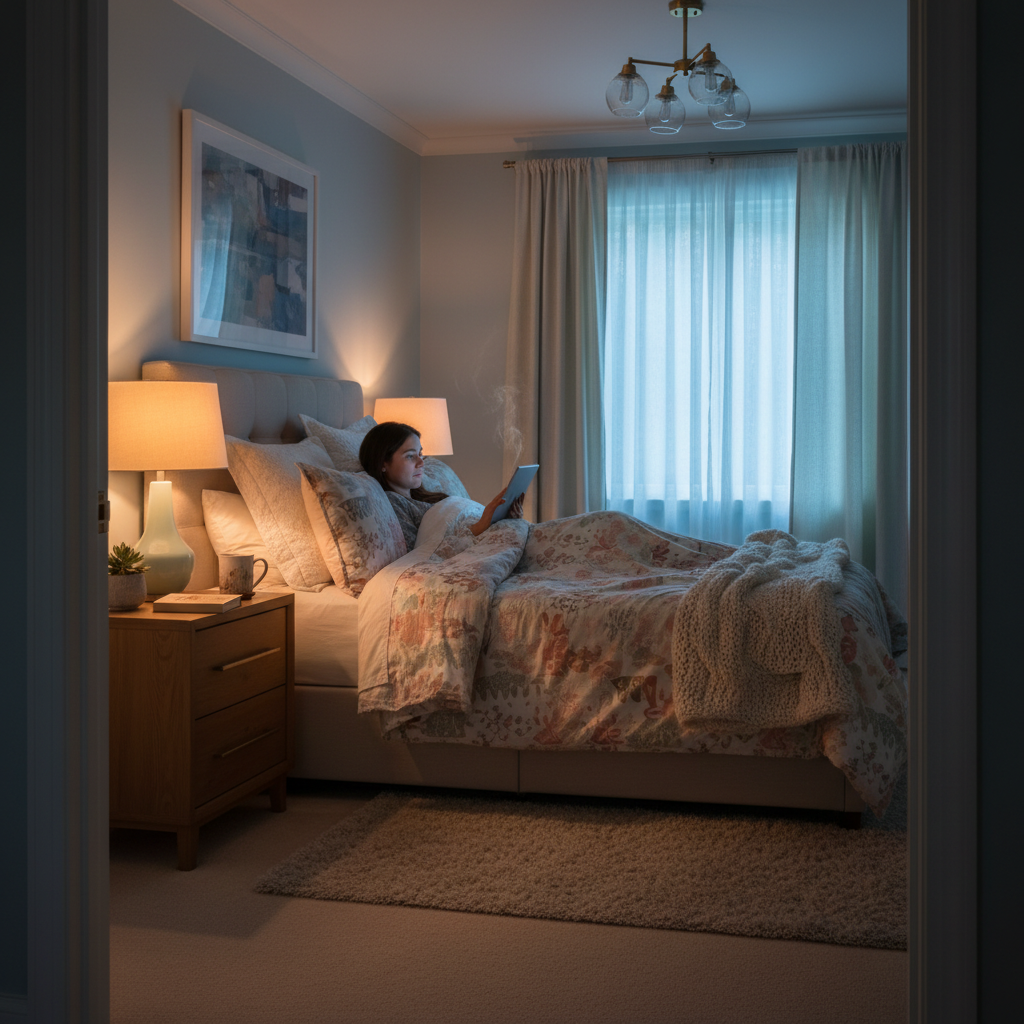
If you've ever found yourself staring at the ceiling at 2 a.m., desperately scrolling through streaming apps, you're not alone. A 2023 survey by the Sleep Foundation found that 35% of Americans struggle with insomnia at least occasionally, and many turn to film as a gentle escape route back to slumber. The trick isn't finding any movie, though; it's discovering films with pacing that doesn't jolt your nervous system, narratives that don't demand constant attention, and a soothing aesthetic that actually helps you drift off rather than keeps you wired. After testing dozens of titles across various streaming platforms, we've curated a list of genuine sleep-friendly cinema that prioritizes mood and atmosphere over plot twists and jump scares.
1. Amélie (2001)
Jean-Pierre Jeunet's whimsical Parisian fairy tale operates at exactly the right emotional frequency for insomniacs. The film moves with a dreamlike quality, its color palette of muted greens, oranges, and warm yellows creating a visual cocoon around the viewer. Audrey Tautou's quiet, introspective performance requires minimal cognitive load, while Yann Tiersen's accordion-based soundtrack acts like an audio lullaby. What makes Amélie particularly effective for sleep is its fundamental lack of urgency, even as the protagonist schemes to improve the lives of those around her. The film trusts its audience to sink into mood rather than race through plot points, making it ideal for viewing when your brain needs permission to slow down.
2. The Secret of Kells (2009)
This Irish animated feature operates on pure visual poetry, and it's the kind of movie that makes you forget you're even watching a screen. Director Tomm Moore's hand-drawn animation uses a deliberate, almost painterly approach that feels less like traditional Hollywood animation and more like watching an illuminated manuscript come to life. The narrative about a young monk protecting an ancient magical book moves at a gentle pace, and the entire film bathes in soft blues, golds, and greens that trigger genuine relaxation responses. Studies on color psychology show that these cooler, muted tones can lower cortisol levels, which is exactly why this film feels like a warm blanket for your anxious mind. Even if you've seen it before, the visual repetition actually enhances its sleep-inducing properties.
3. Lost River (2015)
Ryan Gosling's directorial debut is hypnotic in ways most conventional narratives aren't. The film trades conventional plot momentum for atmosphere and strange beauty, following a mother and her two sons in a decaying American landscape transformed into something almost mythological. Gosling uses long takes, minimal dialogue, and a Johnny Jewel score that sounds like lullabies processed through a synthesizer. This isn't a movie you watch for answers; it's one you watch to let your mind float. What's interesting about Lost River is that most people won't recognize it as a sleep film on paper, but once you experience its deliberate pacing and dreamlike logic, it becomes obvious why it works.
Related: 10 Best Movies Based on True Stories (And Where to Watch Them)
4. Moonlight (2016)
Barry Jenkins' cinematically gorgeous meditation on identity and intimacy moves with such tender deliberation that you can feel your shoulders dropping as you watch. The film is structured around three chapters of one man's life, each bathed in cinematographer James Laxton's signature warm, amber-tinted lighting. The sound design is equally crucial: conversations happen in whispers, water laps gently against skin, and the overall soundscape never assaults your senses. What makes Moonlight exceptional for sleep viewing is that it doesn't demand emotional resolution in the traditional sense. You can close your eyes during certain scenes without missing crucial information, because the film's power lives in mood and feeling rather than plot mechanics.
5. The Shape of Water (2017)
Guillermo del Toro created what might be the perfect fairy tale for adults who can't sleep. The film's 1960s aesthetic, practical creature design, and emphasis on silent-film style storytelling create a world that feels both fantastical and safe. Sally Hawkins' Elisa doesn't speak, which means the film relies on gesture, touch, and expression rather than expository dialogue. This unique approach means your brain never gets tangled in plot complications; instead, you sink into a sensory experience. The underwater sequences particularly function as visual meditation, and the film's fundamental message about finding love in unexpected places feels genuinely comforting when you're anxious and exhausted.
6. Spirited Away (2001)
Hayao Miyazaki's Oscar-winning masterpiece operates according to dream logic rather than narrative logic, which paradoxically makes it perfect for actual dreaming. The film follows a young girl through a magical bathhouse, and the sequence of events doesn't require cause-and-effect understanding; instead, you drift from scene to scene the way you would in an actual dream. Studio Ghibli's animation is deliberately paced, with long moments where characters simply walk, bathe, or sit in silence. The film's central metaphor about identity and consumption is intellectually interesting, but you don't need to consciously process it to benefit from the movie's deeply soothing qualities. Research on anime viewing suggests that the medium's frame-by-frame composition actually provides more visual rest than live-action film.
7. Arrival (2016)
While Arrival contains narrative tension, Denis Villeneuve's science-fiction film about language and communication operates at such a meditative pace that it bypasses your anxiety triggers. The cinematography by Bradford Young uses soft, overcast lighting and muted color grading that never feels harsh or overstimulating. Amy Adams spends much of the film in quiet contemplation, and even the "tense" moments are handled with restraint and long takes. The film's central revelation, which reframes the entire narrative, doesn't arrive as a shocking twist but as a gentle understanding. What's notable about Arrival for sleep purposes is that rewatching it actually enhances the experience, because you already know the outcome and can simply absorb the film's carefully constructed atmosphere.
Related: The Best Reality Competition Shows to Watch Right Now, From Survivor to Top Chef
8. A Ghost Story (2017)
David Lowery's experimental meditation on time, mortality, and presence might sound heavy, but it's actually remarkably calming. The film's premise is simple: a man (Casey Affleck) returns from the dead as a ghost and haunts his former home. Rather than horror, the film creates profound contemplation, with Lowery using long, static shots of empty rooms and overgrown landscapes. The dialogue is sparse, and the film's runtime of 92 minutes contains at least 40 minutes of near-silence. This deliberate minimalism, paired with Will Oldham's hushed score, creates a viewing experience that borders on meditative. What most reviewers won't mention is that the film's exploration of how we cling to physical spaces actually helps viewers process their own anxieties about impermanence.
9. Paterson (2016)
Jim Jarmusch's film about a bus driver who writes poetry in his spare time moves at the pace of an actual day in a quiet life. Adam Driver plays Paterson with such understated calm that you absorb his peaceful routine through sheer proximity. The film follows nearly identical patterns each day: bus driving, lunch, writing, returning home to his wife. This repetition, rather than boring you, actually hypnotizes you into relaxation. What's brilliant about Paterson for insomniacs is that it validates quiet living and introspection as not just acceptable but beautiful. There are no dramatic conflicts here, no third-act revelations. Instead, there's the genuine comfort of routine, which is exactly what anxious brains need at 3 a.m.
10. The Painter and the Thief (2020)
Benjamin Ree's documentary about an artist and the thief who stole her paintings operates more like a narrative film than traditional documentary. The cinematography is stunning, the pacing is slow, and the relationship between the two subjects unfolds with genuine tenderness. Unlike most documentaries that demand active information processing, this film simply asks you to witness a human connection develop across several years. The film's Norwegian setting provides gorgeous, muted landscape sequences, and the overall tone is one of forgiveness and understanding. What makes it particularly effective for sleep is that there's no dramatic climax waiting to jolt you; instead, the film's power accumulates gradually through shared silence and unexpected kindness.
11. Minari (2020)
Lee Isaac Chung's semi-autobiographical film about a Korean-American family building a farm in rural Arkansas moves with the pace of seasons changing. The narrative unfolds gently, focusing on family relationships and the quiet victories of daily life rather than conflict-driven drama. Cinematographer Lachlan Milne bathes the film in natural, diffused lighting that feels authentically restful. Yuh-Jung Youn's performance as a grandmother is particularly soothing, filled with practical wisdom delivered without urgency. The film's entire philosophy is about patience, growth, and accepting that meaningful change takes time. For viewers struggling with insomnia related to anxiety about productivity or achievement, Minari is genuinely restorative.
12. The Breadwinner (2017)
Nora Twomey's animated film about a young Afghan girl who disguises herself as a boy to support her family sounds darker than it plays. The animation style, done by Cartoon Saloon, uses watercolor-like backgrounds and soft character designs that create visual gentleness despite the serious subject matter. The film's narrative moves methodically, and the magical fantasy sequences that interrupt the main story function as visual rest periods. What's important to understand is that the film handles its difficult subject matter with such care and hope that it never becomes depressing. Instead, it becomes oddly uplifting, suggesting that resilience and imagination can survive even in harsh circumstances. The sootability factor comes from this fundamental hopefulness.
13. Hunt for the Wilderpeople (2016)
Taika Waititi's New Zealand adventure about a grumpy old man and a foster kid on the run is fundamentally warm despite its premise. The film's pace is leisurely, the humor is gentle rather than aggressive, and the natural New Zealand scenery provides constant visual rest. Sam Neill and Julian Dennison develop a relationship at a speed that feels genuine rather than accelerated for dramatic effect. What's notable is that even when the film faces potential tragedy, Waititi's direction refuses to exploit it for tension. Instead, the focus remains on the quiet joy of human connection and the beauty of wild places. This tonal consistency, combined with the gorgeous cinematography, creates an experience that feels like visiting somewhere beautiful.
14. Always (1989)
Steven Spielberg's underrated romantic drama about a pilot who becomes a ghost and tries to guide his successor doesn't feel like typical Spielberg. The film trades Spielberg's usual kinetic energy for genuine contemplation, with long sequences in planes flying through beautiful landscapes. John Williams' score is particularly tender, working as an almost independent experience within the film. The film's central conceit, that loving someone means releasing them, is delivered with such tenderness that it becomes more comforting than sad. What makes Always work for sleep viewing is that it trusts emotion over action, allowing you to feel things deeply without being assaulted by dramatic incidents. The film's pace is generous, and most scenes hold longer than you'd expect.
15. Call Me By Your Name (2017)
Luca Guadagnino's Italian summer romance is visually and emotionally luxurious in ways that translate perfectly to sleep viewing. The film's aesthetic is all soft light, flowing fabrics, and sensual experiences rendered without exploitation. Timothee Chalamet and Armie Hammer's performances are understated, their significant moments communicated through glances and small gestures rather than dramatic declarations. The film's setting in 1980s northern Italy provides constant visual beauty, from architecture to landscape to the way light falls through windows. What makes it particularly soothing is its fundamental acceptance of human emotion; there's no judgment, just observation and understanding. The film's final scenes, without spoiling anything, arrive at a place of profound peace.
16. The Farewell (2019)
Lulu Wang's film about a Chinese family deciding to keep their grandmother's terminal illness secret functions as both comedy and genuine comfort food. The film moves between New York and China with the ease of someone traveling in dreams, and the intergenerational conversations provide the kind of emotional validation that anxious viewers desperately need. Awkwafina's performance, surprisingly tender beneath the humor, grounds the film in genuine feeling. What's remarkable about The Farewell for insomniacs is that it's funny without being aggressive, touching without being manipulative, and ultimately about how we protect the people we love. The film's philosophy that sometimes silence is an act of love is particularly soothing for people whose anxiety often centers on feeling misunderstood.
17. Hiroshima Mon Amour (1959)
Alain Resnais' experimental masterpiece operates more as visual and auditory experience than conventional narrative. The film intercuts a contemporary conversation between a Japanese man and French woman with archival footage of Hiroshima and memories of the woman's tragic wartime romance. Rather than feeling overwhelming, this structure creates a meditative experience about memory, love, and time. The film's minimal dialogue is delivered in whispers, and long sequences consist simply of bodies moving through spaces or faces in close-up. What most modern viewers won't expect is how genuinely restful this sounds: the film's exploration of how trauma and beauty coexist becomes oddly comforting when presented with such artistic restraint. The cinematography in black and white further reduces visual stimulation to essential elements.
18. Stalker (1979)
Andrei Tarkovsky's philosophical science-fiction film is one of cinema's greatest meditation experiences. The film follows three men on a journey through a mysterious zone toward a room that supposedly grants wishes. What happens is far less important than the quality of attention Tarkovsky brings to every moment: grass bending in wind, water reflecting light, people moving through industrial spaces. The film's runtime of 163 minutes contains long takes that allow your mind to simply absorb rather than process. Tarkovsky believed cinema should function like a spiritual experience, and Stalker achieves this through patience and beauty rather than manipulation. For viewers willing to surrender to its pace, the film becomes genuinely hypnotic. Fair warning: this requires genuine commitment, but the reward is profound rest.
19. Norma Rae (1979)
Sally Field's Oscar-winning performance in this labor drama might surprise you as a sleep film, but its emotional authenticity and the genuine care all the performances bring creates surprising comfort. The film's Southern setting, with its warm cinematography and emphasis on community, provides visual stability. What's notable is that even when the film addresses serious themes about labor rights and economic struggle, it does so through the lens of human dignity rather than anger. The film's central message, that ordinary people can accomplish extraordinary things through persistence, is genuinely uplifting without being naive. For viewers whose insomnia stems from feeling powerless, watching Norma Rae's quiet determination unfold feels oddly reassuring.
20. Badlands (1973)
Terrence Malick's debut about young lovers on the run is one of cinema's most beautifully photographed films, and its dreamy quality makes it perfect for sleep viewing. Sissy Spacek's narration provides a gentle guideline through the narrative without demanding intense attention. The film's pacing is unhurried, and Malick's camera lingers on natural beauty with a poet's attention. What's crucial about Badlands for sleep purposes is that despite its subject matter of violence and desperation, the film's visual and emotional tone is one of beauty and inevitability rather than sensationalism. The film trusts that tragedy and beauty can coexist, and this trust allows viewers to simply absorb rather than suffer through the narrative. The cinematography alone, combining natural landscapes with golden-hour lighting, creates visual rest.
The common thread connecting these films is a commitment to mood and atmosphere over plot mechanics. When you're struggling to sleep, you don't need narrative complexity or emotional manipulation; you need permission to stop thinking and start feeling. Each of these films provides that permission through deliberate pacing, thoughtful cinematography, and scripts that trust silence more than dialogue. Start with whichever appeals to your current mood, and remember that rewatching is actually encouraged; knowing what's coming removes the anxiety of surprise, allowing pure relaxation to take over.