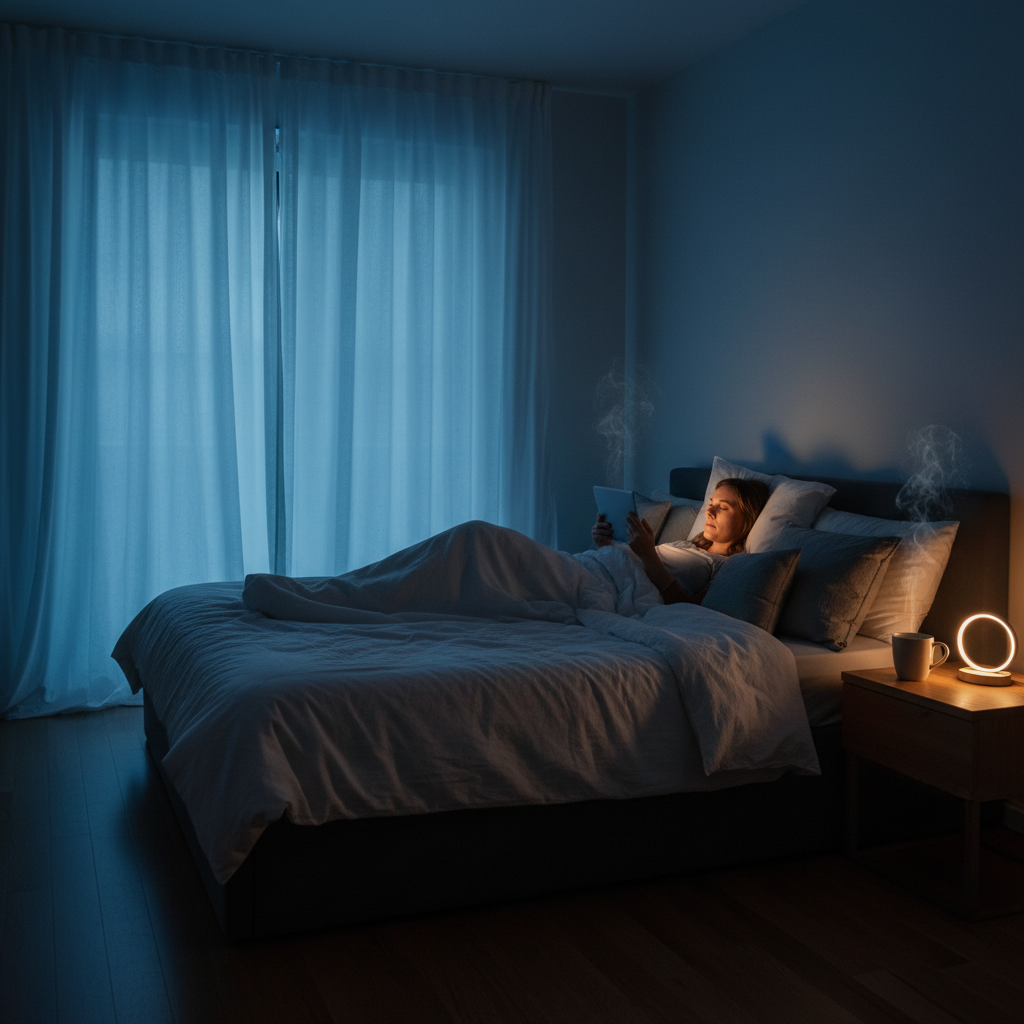
That 3 AM wake-up call where your brain suddenly decides sleep is optional has become the modern middle-of-the-night curse. A 2023 American Academy of Sleep Medicine study found that 35% of adults experience regular insomnia episodes, often triggered by scrolling through their phones in bed. Instead of doom-scrolling through social media or rewatching the same show for the fifth time, you need content that's genuinely soothing, engaging enough to distract from racing thoughts but mellow enough to coax you back toward sleep. This list isn't about high-energy thrillers or plot-driven dramas that'll keep you wired until sunrise, it's about the kind of viewing that feels like a warm blanket for your overstimulated brain at an ungodly hour.
1. Bob Ross Reruns on PBS or Streaming Platforms
There's a reason Bob Ross has experienced a massive cultural resurgence since his death in 1995. The man's hushed voice, repetitive painting techniques, and genuinely positive affirmations create what therapists call "auditory-visual ASMR" without trying to be trendy about it. Each episode follows the exact same structure: gentle introduction, sketch-out of the composition, building up layers of paint, and the magic reveal at the end, which your brain actually finds comforting rather than boring. Netflix has entire Bob Ross documentary series available, and PBS reruns are often on late-night slots specifically because networks know their insomniacs need this man's presence at 3 AM.
What makes Bob Ross particularly effective for sleep-adjacent viewing is his pacing. A single landscape takes exactly 26 minutes per episode, which is long enough to feel immersive but short enough to fit into a broken sleep schedule. He never raises his voice or creates tension, and he frequently mentions happy little trees and happy little clouds, which sounds absurd until you're lying in darkness at 3 AM and genuinely need to hear about happy little clouds.
2. Studio Ghibli Films with Subtitles
Miyazaki's animation style is deliberately understated compared to American animated films, with long sequences of characters simply existing in beautiful spaces rather than constantly moving. "Spirited Away" might seem like an action-heavy choice, but the pacing is deceptive; roughly 30% of the film is atmospheric scenes of the protagonist walking through gorgeous environments. The film's score by Joe Hisaishi uses gentle orchestral pieces that are intentionally non-jarring.
Related: 10 Best Movies Based on True Stories (And Where to Watch Them)
For a 3 AM viewing specifically, "Kiki's Delivery Service" or "Howl's Moving Castle" are superior choices to action-heavier options. Both films move at a meditative pace and feature protagonist characters who are introspective rather than explosive in their emotional responses. The color palettes are warm and inviting, and there's something about watching a character work through problems methodically (rather than heroically) that aligns better with the 3 AM mindset where you're already exhausted from overthinking.
3. Cottagecore Content and Homestead Vlogs
The rise of cottagecore aesthetic content has created an entire subgenre of YouTube channels dedicated to slow-living that's ideal for insomnia. Channels like "Homestead Honey" and "Self Sufficient Me" feature people doing genuinely low-stakes activities like tending gardens, making bread, or organizing their pantries with ASMR-like attention to detail. These aren't scripted or edited with jump cuts; they're often 20 to 40-minute takes of someone's hands working while soft music plays in the background.
What makes this content uniquely suited to 3 AM is that it presents a lifestyle that operates on completely different time rhythms than your insomnia. Watching someone prepare for their 5 AM farm routine while you're wide awake at 3 AM creates an oddly soothing cognitive dissonance. Your brain gets to fantasize about a simpler life schedule while simultaneously being mentally occupied enough to stop ruminating about why you can't sleep.

4. Gordon Ramsay's Cooking Show Reruns (Non-Kitchen Nightmares)
Most people's instinct is to avoid Gordon Ramsay at 3 AM because of his famous yelling on "Hell's Kitchen," but his original "F Word" series or "MasterChef" episodes are entirely different viewing experiences. Without the manufactured reality TV drama, you get pure cooking technique narrated by someone who clearly loves food. Episodes often feature him visiting farms, markets, or restaurants where he's simply appreciating good ingredients and explaining why certain dishes work.
Related: The Best Reality Competition Shows to Watch Right Now, From Survivor to Top Chef
The cooking itself has meditative qualities; watching precision knife work or the slow reduction of a sauce is genuinely calming. MasterChef episodes also feature regular people pursuing their passion, and the success-based narrative (even during elimination rounds) feels more positive than failure-focused reality content. Ramsay's genuine enthusiasm for good food comes through even at low volume with subtitles.
5. Planet Earth and Nature Documentaries (BBC Originals)
David Attenborough's voice has been clinically studied as a calming influence. His documentaries move slowly through ecosystems, allowing your brain to absorb gorgeous visuals without requiring intense narrative focus. Each scene is gorgeously shot and holds on landscapes or animal behavior long enough that you're not constantly processing new information. The pacing is intentionally decelerated compared to how most TV operates.
Avoid documentaries with predator-prey dynamics if you're emotionally fragile at 3 AM; stick with episodes focused on migration, plant life, or coral reef systems. "Frozen Planet" or specific episodes from "Planet Earth II" that focus on smaller creatures moving through beautiful environments are ideal. The episodic structure also means you can stop mid-episode without feeling like you've missed a crucial plot point.
6. Aquarium Live Feeds with Ambient Sound
YouTube hosts dozens of full-length aquarium live feeds from actual facilities, and streaming them at 3 AM is like having a lava lamp that costs significantly less and actually serves an ecosystem. The Monterey Bay Aquarium's jellyfish tank feed has become something of an insomnia legend; the gentle pulsing movement combined with soft blue lighting creates what neuroscientists call "predictable visual rhythm," which is deeply soothing to the anxious brain.
What makes aquarium feeds superior to traditional screensavers is that they're genuinely alive, which provides subtle psychological comfort. Fish populations shift, plants move with water currents, and the overall scene changes incrementally rather than repeating on a loop. Many feeds include ambient water sounds or soft instrumental music, which adds another layer of sensory comfort without demanding your attention.

7. Gilmore Girls Rewatch (Specific Cozy Town Scenes)
Gilmore Girls operates at a frenetic pace during dialogue but features incredible "between scenes" where you simply watch the town of Stars Hollow existing. Streets lined with autumn leaves, people walking home from diners, establishing shots of the town square in different seasons; these moments were intentionally included to provide visual comfort. The show's overall tone is about belonging to a community, which is psychologically grounding at 3 AM when you're feeling isolated in darkness.
The dialogue speed in this show actually works against sleep (your brain stays engaged trying to follow rapid-fire banter), so watch on mute with subtitles if you're trying to actually fall asleep. Alternatively, use episodes more as a visual anchor while listening to the instrumental score or a separate lo-fi playlist. Seasons 1-3 have the strongest small-town cozy aesthetic before the show shifted tone.
8. Yoga and Gentle Movement Classes Designed for Sleep
Yoga instructors like Adriene Mishler on YouTube have entire playlist series specifically labeled "yoga for sleep" that are designed to be low-intensity and mentally grounding. These aren't workout videos; they're sequences that gentle guide you through breathing patterns and stretches while providing soft narration that's almost meditative in nature. A 2022 study published in PLOS One found that gentle yoga increased sleep quality by up to 35% in people with chronic insomnia.
The advantage of watching rather than just listening to a guided meditation is that you're mentally occupied by following visual cues, which prevents your brain from returning to whatever anxiety triggered the 3 AM wakefulness. Movement also releases tension you might not even realize you're holding in your neck and shoulders. Many of these videos are 15-30 minutes, which is the perfect length for transitioning back into sleep.
9. Slow-Travel Vlogs from Journeying It, Kraig Adams, or Similar Channels
There's a specific subset of travel content creators who prioritize slowness over highlights. Kraig Adams, for instance, spends entire videos walking through European countryside, occasionally stopping to make tea or sit by a river. These aren't edited travel vlogs with upbeat music and quick cuts; they're extended first-person perspectives of someone existing peacefully in beautiful places.
Watching someone else be present and unhurried in their environment while you're wide awake at 3 AM provides what therapists call "borrowed calm." Your nervous system can actually synchronize with what you're watching. These videos often have minimal dialogue and natural soundscapes like footsteps, wind, or flowing water, which creates an immersive auditory experience that's far less stimulating than regular commentary-heavy content.
10. Studio Ghibli Museum and Animation Making-of Content
Beyond finished films, watching documentaries about how Studio Ghibli actually creates animation is oddly soothing. The repetitive hand-drawing process, the careful color selection, and the methodical layering of animation cells have ASMR qualities without trying. Japanese animation documentaries move at a deliberate pace; there's no pressure or urgency, just skilled people doing detailed work.
What most people don't realize is that watching someone do precision work that isn't your responsibility creates a psychological state called "focused calm." Your brain gets to appreciate mastery without the stress of performing the work yourself. Animation documentaries also reveal the thoughtfulness behind scenes you've already watched, adding a layer of understanding that feels intellectually satisfying without being cognitively demanding.
11. Mr. Rogers' Neighborhood Reruns
Fred Rogers deliberately spoke in a cadence and volume specifically calculated to be calming. He also addressed the audience directly, which creates a sense of individual attention and care that's psychologically soothing when you're isolated at 3 AM. Episodes follow predictable patterns: arriving home, changing into cardigan and sneakers, visiting the Neighborhood of Make-Believe, and addressing a specific emotional theme.
While Mr. Rogers is often considered children's content, its psychological architecture is beneficial for anxious adults. The show's core message that you're valuable just as you are, combined with gentle storytelling, creates what's essentially therapeutic television. Episodes are only 25 minutes, and the entire archive is available through various streaming services. The predictability itself is comforting; your brain knows exactly what to expect and can relax into that structure.
12. Desk Setups, Organization, and Stationery ASMR Videos
There's an entire subgenre of content creators filming the organization and arrangement of desk spaces, stationery, and creative materials. Channels like "Keenya's ASMR" or various stationery unboxing channels feature someone carefully arranging pens, organizing notebooks, or setting up a workspace with meticulous attention to detail. The repetitive nature of organizing, combined with soft sounds of materials being touched and arranged, creates predictable auditory and visual patterns.
What makes this category particularly useful for 3 AM is that it requires minimal narrative comprehension. You can let your brain float along following the visual organization while your conscious mind disengages. The act of watching things become orderly is genuinely calming when your internal mental state feels chaotic. Many creators intentionally create satisfying visual symmetry and use soft-spoken narration or gentle background music.
13. The Office (Specific Feel-Good Episodes on Mute)
While "The Office" is dialogue-heavy and plot-driven, specific episodes function almost as comfort viewing without volume. Seasons 2-4 episodes featuring the Dundler Mifflin office existing in their daily routines without crisis have a surprising amount of physical comedy and visual storytelling. Jim and Pam's quiet moments, interactions between coworkers in the background, and the general vibe of an office just existing can be absorbed visually.
The psychology here is that you're watching characters you know and care about in familiar settings, which creates a sense of connection without emotional intensity. Mute the show and either listen to ambient sound or lo-fi music instead of the laugh track. You're essentially using the show as pleasant visual wallpaper while your mind can wander or settle into stillness. The comfort of the familiar (you've likely seen these episodes before) combined with low cognitive demand is ideal for the 3 AM brain state.
Final Thoughts on 3 AM Viewing Strategy
The key to successful 3 AM content consumption is matching your viewing to a goal: if you're trying to fall back asleep, prioritize visual content with predictable pacing and minimal plot complexity. If you're accepting that sleep might not happen and you're aiming for pleasant mental displacement instead, you have slightly more flexibility. The common thread across all these recommendations is intentional pacing, genuine beauty or comfort in the content itself, and an absence of anxiety-inducing stakes.
Don't use 3 AM wakefulness as an excuse to finally watch that intense thriller you've been saving, and absolutely avoid anything with jump scares or high-tension narratives. Your nervous system is already slightly dysregulated; feed it calm instead. The goal isn't entertainment in the traditional sense, it's creating an environment where your brain can eventually settle back toward sleep or at least rest peacefully while awake.